The digital world keeps reshaping how SEO engagement metrics matter. SparkToro’s data shows that 58% of searches in 2024 ended without a click, and these numbers keep growing. Your SEO strategy might puzzle you as traffic drops despite your quality content.
User behavior has changed due to zero-click searches and Google’s AI Overviews. Position 1 click-through rates dropped by 34.5% when AI Overviews appeared, according to Ahrefs. Some websites saw their traffic plummet by 60%. But your content still works well – people just find and use content differently now.
Your SEO success needs new measurement approaches if traffic falls while engagement rises. Better conversion values can boost your bottom line even with fewer visitors. To name just one example, a mere half-percent bump in conversions could add tens or hundreds of thousands in extra revenue, based on your business size. Here, you’ll find why old traffic metrics fall short and learn which engagement metrics truly drive business growth in today’s evolving search landscape.
When Traffic Drops But Engagement Rises: What’s Really Happening?
Picture this: your organic traffic keeps dropping month after month. Yet your conversions, time on page, and other engagement metrics are going up. This odd mix of results has become common for businesses of all types.
Why Traffic Isn’t The Only Metric That Matters
Raw traffic numbers used to be the golden standard for SEO success. This narrow view can mislead you. Website visitors are like customers walking into a store – getting them through the door doesn’t mean they’ll buy anything.

What counts is what people do on your site. A small but engaged audience ready to convert brings more value than huge traffic that leaves right away. Studies show that content built for engagement brings 8x more site traffic and leads to 6x more conversions than regular content marketing.
Quality beats quantity when it comes to traffic. A hundred qualified visitors who dive deep into your content matter more than 10,000 who bounce without action. This new point of view means you should track SEO metrics that match business results instead of vanity numbers.
How User Behavior Is Changing in 2024
People search differently now than they did before. They used to type simple queries and click through many results. Now they use complex, conversational searches and want answers right away.
Today’s searchers:
- Use voice search for 30% of all queries, so content needs natural language
- Want answers without clicking websites
- Read differently on phones versus computers
- Write longer, more specific search terms
Visual search and multimedia results let users find information right in the search results. Businesses must adapt their content to this new digital world. They should answer specific questions and deliver clear value.
The Rise Of Zero-Click Searches And AI Overviews
The most important change in traffic patterns comes from zero-click searches. Users get their answers from Google’s featured snippets, knowledge panels, or AI Overviews without visiting websites.
Google’s Search Generative Experience (SGE) and AI Overviews now sum up content from multiple sources at the top. Users love this convenience, but it creates problems for websites that rely on traditional traffic metrics.

This explains why your content might rank well but not get clicks. AI summaries might feature your content – a technical win that doesn’t show up in your traffic stats. You need to rethink how you measure content success.
The bottom line? Lower traffic doesn’t mean your SEO is failing. It might just show how search habits and content consumption have changed. Focus on engagement metrics that track real user actions to get the full picture of your content’s performance and business impact.
Why Traditional SEO Metrics Fall Short
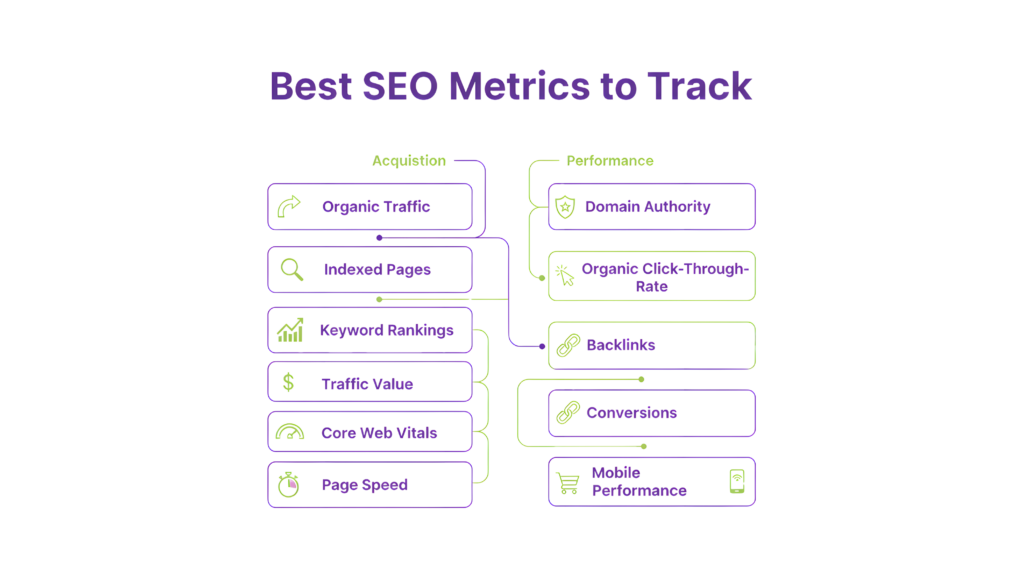
Traditional SEO metrics used to be reliable signs of online success. These days they don’t tell the whole story of how your content performs in today’s changing search world. Search algorithms have grown smarter, and the metrics you’ve counted on might not serve you well anymore.
The Problem With Pageviews And Bounce Rate
People have long regarded pageviews as a key indicator of SEO success. This number alone can be misleading though. High traffic doesn’t always lead to business results. You might pull in thousands of visitors who never convert or connect with your content.
Bounce rate also has serious flaws as a standalone metric. Google defines bounce rate as “the percentage of single-page sessions in which the person left your site from the entrance page without interacting with the page”. This creates several issues:
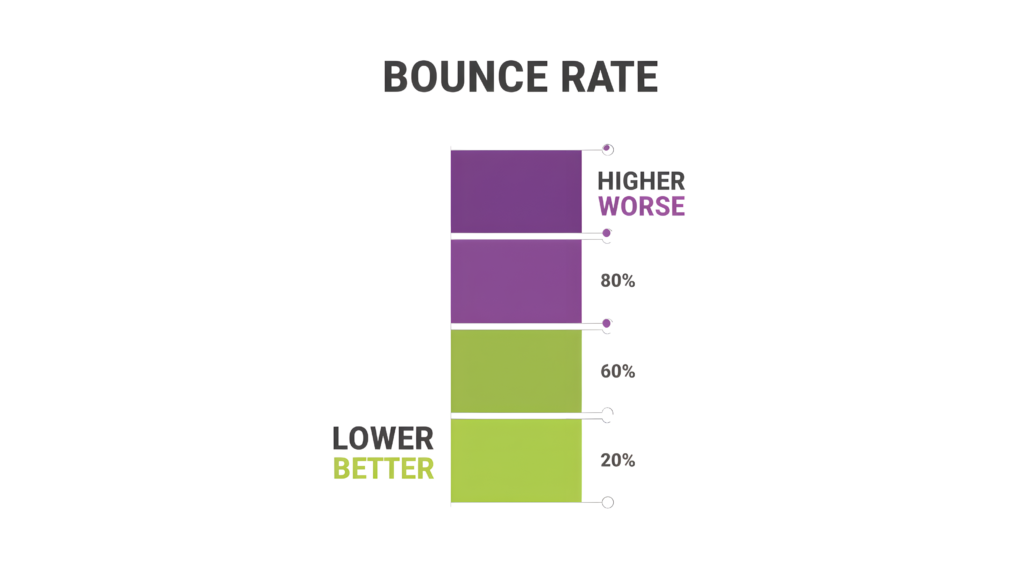
A high bounce rate doesn’t always mean poor performance. Visitors might find exactly what they need on one page, like a blog post that answers their question. They leave without clicking elsewhere—counting as a “bounce” even though they got what they wanted.
The metric can’t track sessions without exit events. Someone might visit your site, leave their tab open, or close it without triggering an exit event. The system won’t record this properly. Since single-page visitors make up between 30-70% of your audience, that’s a big gap in your data.
Understanding The Limits Of Keyword Rankings
Keyword rankings were once the holy grail of SEO success. This metric has become less reliable now for good reasons.
Tailored search results have changed everything. Your position one result might show up fifth for someone else, based on where they are, what they’ve searched before, and what device they’re using. This means universal rankings don’t exist anymore, you can’t know for sure where your content stands.

Search queries have also changed. People don’t stick to simple keywords anymore. They ask questions directly, use natural language, and make complex searches. Unless these varied phrases bring traffic your way, you can’t track them well.
High rankings don’t guarantee results either. Changes to search layouts, including answer boxes, rich snippets, and video results, can affect your organic click rates no matter where you rank. A study showed that all but one of US searches in 2024 ended without any clicks.
Why Engagement Metrics Tell A Better Story
Engagement data gives better insights than surface-level traffic metrics. These numbers show if users truly value your content.
Technical precision used to win in SEO—well-laid-out tags, keyword density, and link authority. While these still count, Google now looks at behavior signals that show real user satisfaction.
Users spending several minutes on your site signals that your content delivered what it promised. If they leave within seconds, search engines think your content missed the mark.
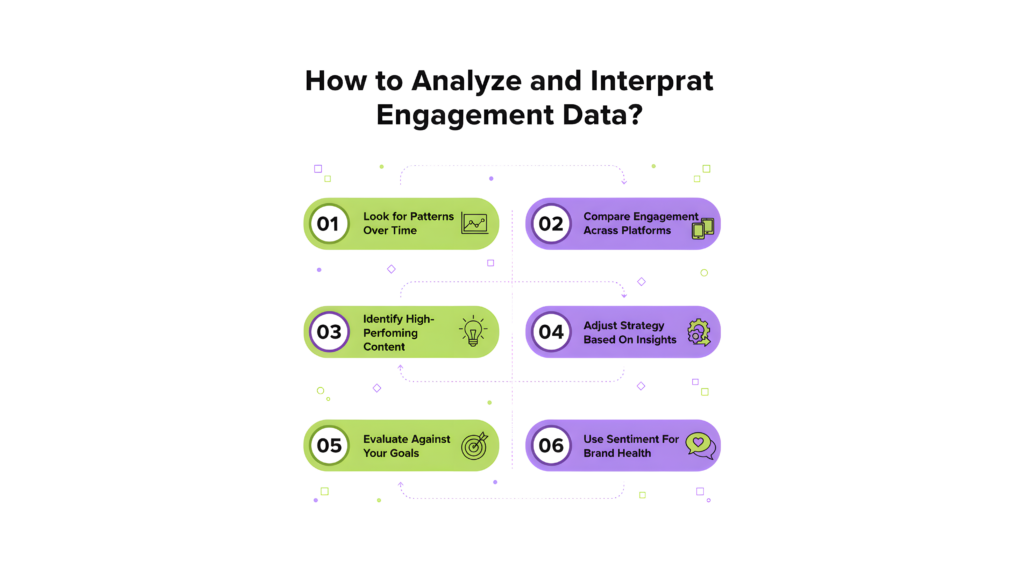
Metrics like average engagement time, scroll depth, and CTA click rates show a fuller picture of how content performs. They help you learn if your target audience connects with your content beyond their first click.
Content saturation has hit an all-time high. These engagement signals help Google spot truly useful pages among generic content. Think of engagement as digital word-of-mouth—when people meaningfully interact with your content, algorithms boost your visibility.
Key SEO Engagement Metrics That Actually Matter
Some engagement metrics go beyond simple analytics and give you real insights into your content’s performance. These metrics show not just visitor numbers, but how people actually interact with your content.
Scroll Depth And Time On Page
Scroll depth shows how far people scroll down your webpage and gives you vital insights into content engagement. You can track this metric as a percentage of the page viewed or in pixels, which shows which sections grab attention and where interest fades. Pages that perform well keep readers engaged past the 50% scroll mark, while great content reaches 75% or greater scroll depth.
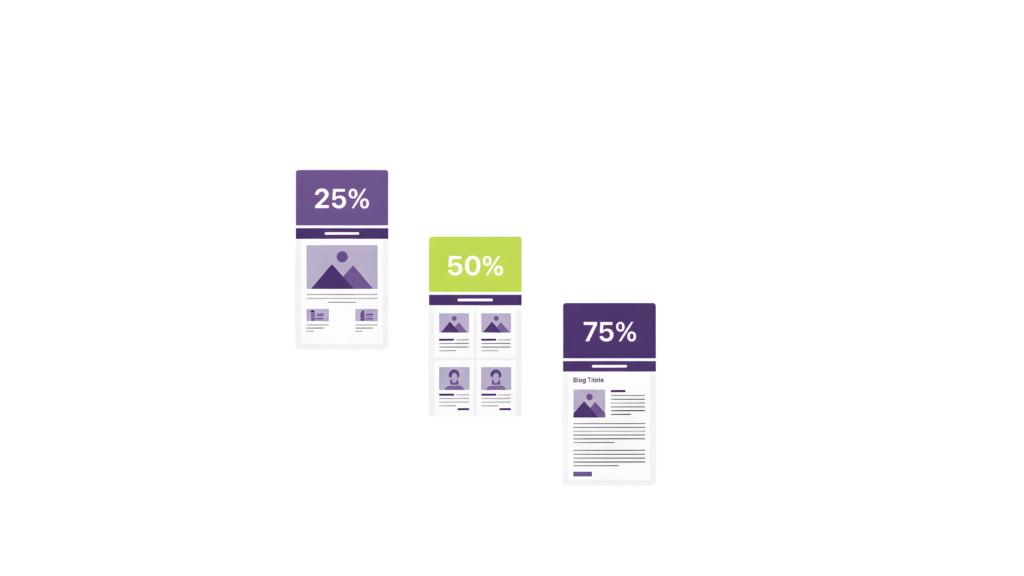
Scroll depth helps identify “false bottoms” – spots where readers think the content ends. You can spot these trouble areas by looking at cooler colors on scroll maps where users pause, and then adjust your design.
Click-Through Rate On CTAs
Click-through rate (CTR) measures more than just search results – it shows how well your calls-to-action perform. When internal CTAs have strong CTRs, your content guides users toward conversion points. Internal CTAs work better than external ads, with average rates of 3-5% for well-placed buttons compared to 0.5% for display advertising.
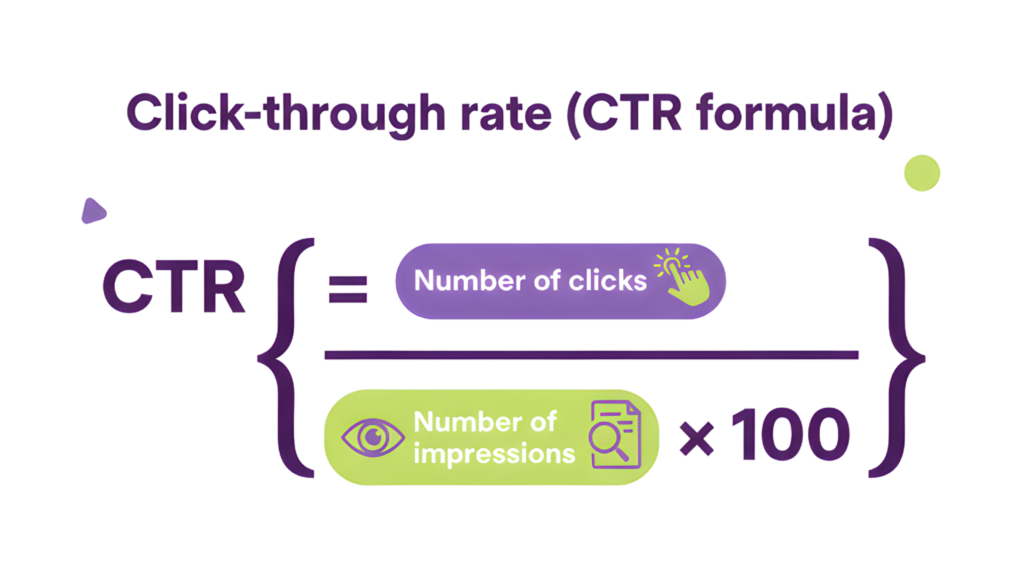
Your CTR affects conversion potential. Pages with better click-through rates on strategic CTAs convert at higher percentages. The position of CTAs matters a lot – elements at the top get more attention than those requiring users to scroll.
Form Completion And Abandonment Rates
Form completion rate (FCR) tells you what percentage of visitors submit a form after starting it. Research shows that about 67% of forms get abandoned, which means you lose almost two-thirds of potential conversions during this step.
Different forms have different completion rates:
- Contact forms: 27-31%
- Lead generation forms: 14-17%
- Registration forms: 20-24%
- Free trial signups: 25-30%
You can improve completion rates by using fewer form fields. One study showed that reducing fields from 11 to 4 led to 120% more conversions.
Returning Visitor Behavior
Returning visitors show how good your content really is. These users engage more, bounce less, and convert better than first-time visitors. They also indicate potential brand loyalty and advocacy.
Website traffic in 2023 split almost evenly between new and returning visitors. The Return Visitor Rate (RVR) helps measure user loyalty by showing how many people come back after their first visit. A good RVR leads to cheaper customer acquisition, better conversion rates, and improved marketing ROI.
Session-To-Conversion Ratio
This metric links engagement to business results by measuring how well your site converts visits into actions. Average ecommerce conversion rates hover around 2.5-3%, and understanding this ratio helps find ways to improve.
The session-to-conversion ratio reveals patterns that lead to conversions, letting you copy successful approaches across your site. Search traffic that targets specific needs can convert much better than average, making this metric valuable for retention SEO strategies.
How To Connect Engagement To Real Business Outcomes
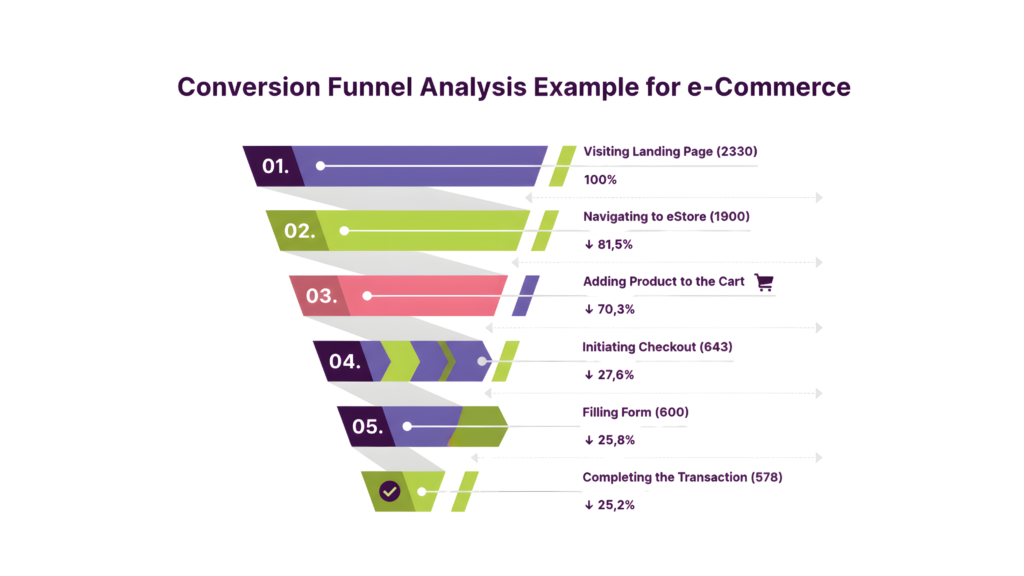
Business success from engagement data depends on understanding how users interact with your site. Revenue doesn’t always follow a simple pageview, but proven methods can help connect these interactions.
Mapping Engagement To The Buyer Experience
Your measurement strategy should match SEO engagement metrics with each stage of the customer experience. B2B marketers know this experience looks more like a maze than a straight path. Different stages need specific engagement markers:
Track impressions and social content metrics during the awareness stage. Site traffic, time on site, and asset downloads become important as prospects start to evaluate options. The analysis phase focuses on qualified leads. Deals closed and upgrades matter at the purchase stage, while renewals and referrals take priority in the loyalty phase.
This structure helps you learn which engagement signals matter most at each point and optimize your efforts accordingly.
Using Micro-Conversions To Track Intent
Small but meaningful user actions, called micro-conversions, suggest early intent alignment. These differ from macro conversions like completed purchases or form submissions by tracking smaller steps toward your goals.
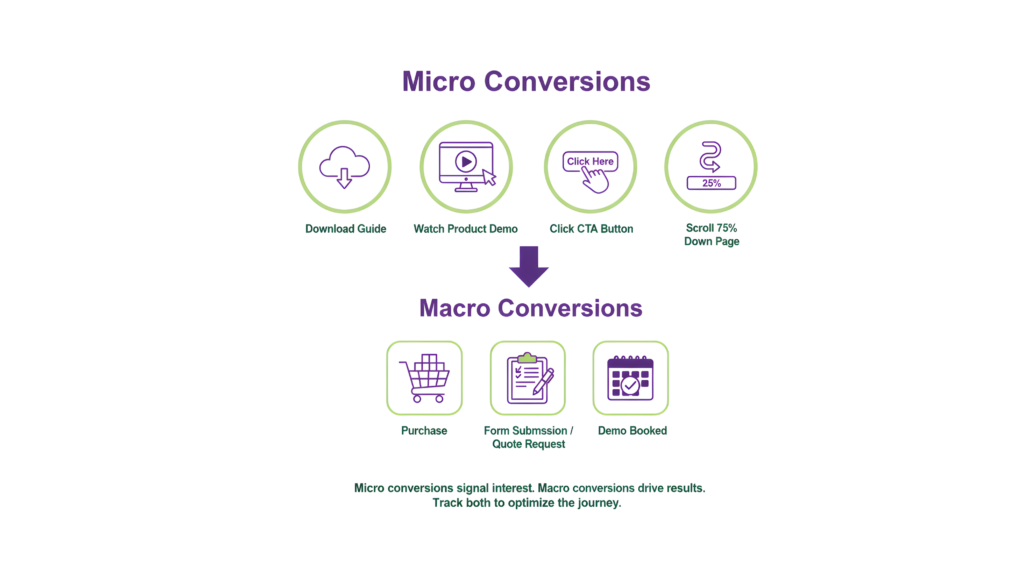
These actions fit two categories: process milestones that lead straight to main goals and secondary actions that show future interest. They add particular value in:
- B2B sales cycles that take months
- Campaigns with fewer than 50 monthly conversions
- Early awareness initiatives
- Customer experiences with multiple touchpoints
Tracking video views, newsletter signups, or pricing page visits helps you spot interested users before they’re ready to buy.
Attribution Models That Go Beyond First-Click
Standard attribution models don’t deal very well with the complete customer experience. Last-click attribution credits only the final touchpoint and misses earlier interactions that built awareness.
Better options exist:
- Linear attribution: Gives equal credit to all touchpoints
- Time-decay: Values recent interactions more
- Position-based: Gives 40% credit to first and last touches, spreads 20% across middle interactions
- Data-driven: Uses algorithms to assign credit based on actual results
Multi-touch attribution shows how each interaction adds value throughout the buying cycle.
Aligning Content With Sales And CRM Data
Marketing and sales teams must work together to link SEO engagement with revenue. SEO teams can create better content strategies when sales teams share customer conversations, pain points, and objections.
Web analytics combined with CRM data shows which engagement patterns lead to closed deals. This creates a cycle where better experiences boost engagement and search visibility.
Successful B2B companies record sales calls and use common questions to create targeted content. This approach ties SEO engagement metrics directly to real customer conversations.
Why Choose Rankfast For Performance-Driven SEO
Results matter more than promises in choosing an SEO partner. RankFast stands out among agencies because we prioritize measurable business effects over traffic numbers.
Our Approach To Engagement-Focused SEO
RankFast takes a 360° approach to your digital presence. We start with a complete audit of your digital channels to find gaps and opportunities in your SEO, product pages, category pages, blogs, and social media. Your business needs a unique marketing plan, so we create custom strategies that fit your goals.
We go deeper than basic information during onboarding. Our team learns what propels your sales, vision, expectations, target audience, and competitive landscape. This deep understanding helps us create SEO strategies that line up with your business goals.
Real Client Results And Case Studies
Our performance speaks for itself. Our education client reached more than 100 keyword rankings on Google SERPs and placed more than 20 keywords in the top 10 results. Most clients see notable improvements within 30 days. Major wins emerge in just a few months.
How We Track ROI Beyond Traffic
We offer different success measurement frameworks based on your goals:
- ROI-based success plans: Measuring through actual sales generated versus your investment
- Brand awareness plans: Tracking impressions and clicks from digital channels
- Growth-focused approach: Combining ROI, awareness, and traffic metrics for complete performance reports
You choose how often you want updates – daily, weekly summaries, or detailed monthly reports.
Explore Our SEO Services
Our complete SEO services include advanced keyword research targeting high-impact terms for your business, on-page optimization to boost website structure and user experience, quality link building to increase your domain authority, and detailed analytics reporting for continuous improvement.
These services will boost your online visibility, search engine rankings, user experience, brand authority, and give you measurable results that show clear ROI.
Conclusion
Raw traffic numbers don’t tell the whole story anymore as search continues to evolve. This piece shows why chasing visitor numbers alone can mislead you, while meaningful interaction actually boosts business results. Users now interact with search engines differently thanks to zero-click searches and AI Overviews. This means you need to rethink how you measure SEO success.
Quality must take priority over quantity in your SEO strategy. Of course, metrics like scroll depth, CTA click-through rates, and session-to-conversion ratios give better insights than basic pageviews or rankings. These engagement indicators link directly to your profits and show who actually finds value in your content.
Need help putting these strategies to work? RankFast has the expertise to optimize SEO for healthcare services from traffic-focused to performance-driven. Our complete SEO services create measurable business effects instead of empty metrics. You’ll notice improvements in just 30 days with major wins coming in months – all while focusing on metrics that truly matter to your growth.
The digital world will keep changing, but you can keep up with trends. When you put engagement before traffic and healthcare brands SEO services before rankings, you’ll build an SEO approach that delivers lasting value whatever the algorithm changes.
FAQs
Q1. How does user engagement impact SEO performance?
User engagement significantly affects SEO performance. While Google doesn’t directly measure metrics like bounce rate, it does consider real-world signals of user satisfaction. Websites with high engagement tend to rank better as they demonstrate value to users, which aligns with Google’s goal of providing the best possible search results.
Q2. Why might website traffic decrease while engagement increases?
This scenario can occur due to changes in user behavior and search engine features. For instance, the rise of zero-click searches and AI-generated answers means users may find information without visiting websites. While traffic might decrease, those who do visit may be more interested and engaged with the content, leading to improved engagement metrics.
Q3. What are some key engagement metrics to track for SEO success?
Important engagement metrics include scroll depth, time on page, click-through rates on calls-to-action (CTAs), form completion rates, and returning visitor behavior. These metrics provide deeper insights into how users interact with your content and can be more indicative of SEO success than traditional traffic numbers alone.
Q4. How can businesses connect engagement metrics to actual revenue?
To link engagement to revenue, businesses should map engagement metrics to different stages of the buyer journey, track micro-conversions that indicate purchase intent, use multi-touch attribution models, and align content performance with sales and CRM data. This approach helps demonstrate how user engagement translates into tangible business outcomes.
Q5. Is it normal for a large percentage of content to receive no traffic from Google?
Yes, it’s quite common. Studies suggest that over 90% of content gets no traffic from Google. This can be due to various factors such as technical issues, weak internal linking, or under-optimized pages. To improve content performance, it’s crucial to focus on creating high-quality, relevant content and ensuring proper technical SEO implementation.
Leave a Reply