The SEO 2030 trends will see 80% of search queries ending without website clicks. ChatGPT has already overtaken Bing’s web traffic in early 2024, making it the second most popular search tool online. These developments will reshape your digital marketing strategy completely.
AI agents and multimodal search are evolving faster than expected. Recent data shows promising trends – 52% of U.S. adults used an AI language model according to a March 2025 survey. The study also revealed that 44% of these users prefer AI-powered search as their main information source. Search evolution now demands focus on voice and image ranking beyond traditional text.
Google’s July 2025 earnings revealed a 49% increase in search impressions since AI Overviews launched, while website clicks dropped steadily. SEO experts from BigCommerce predict organic search traffic to websites will plummet by 50% or more by 2028 as generative AI becomes mainstream.
The Decline of Traditional SEO and Rise of AI Search
The latest SEO 2030 trends show a dramatic change in how search engines deliver results. Success metrics that worked before are becoming outdated faster than ever. Your digital marketing strategy must adapt to this new reality or risk falling behind.
Google’s shrinking click-through rates in 2025
The numbers paint a clear picture of our changing digital world. Queries with Google AI Overviews have seen organic click-through rates drop by 61% – from 1.76% to just 0.61%. Paid CTRs haven’t fared any better, showing an even bigger drop of 68%, going from 19.7% to 6.34%.
Your business should know that regular search results without AI Overviews are struggling too. These queries saw organic CTRs fall by 41% compared to last year. This shows a major change in how users interact with all types of searches.
Position #1 rankings – once the ultimate goal of technical SEO for ecommerce – have watched their CTR fall from 28% to 19%, a 32% drop. Things look even worse for Position #2, where CTRs tumbled from 20.83% to 12.60%, showing a 39% decrease. Users who see an AI summary click traditional search links only 8% of the time, while those without summaries click 15% of the time.
Zero-Click Search and the Rise of AI Overviews
Zero-click searches dominate the scene now. Back in 2021, 62.41% of searches got zero clicks, up from 54.11% in 2017. American searches end without clicks 58.5% of the time, while European searches show similar behavior at 59.7%.
AI Overviews show up on about 30% of US queries and make up at least 12.8% of all Google searches. Users find what they need right on the results page, which means they don’t visit websites anymore. This hits bigcommerce SEO company strategies hard, especially those that rely on driving traffic to product pages.
These AI Overviews make users more likely to end their search completely. This happens 26% of the time with AI summaries, compared to 16% with traditional results. AI Overviews don’t just reduce clicks – they cut the entire search process short.
Google’s data shows billions of AI Overview uses. The company believes that AI Overviews help people “use Search more and feel more satisfied with their results”. This suggests that despite fewer clicks, AI-enhanced search gives users a better experience.
Why Keyword-first SEO is No Longer Enough?
Keywords alone don’t cut it anymore. The digital world needs a smarter approach that lines up with how AI agents and large language models understand content. Here’s why old keyword strategies don’t work:
- Searches have moved from keywords to natural questions, making exact matches less important
- Modern SEO needs optimization for context and intent rather than specific phrases
- Voice and image ranking skills matter more as search becomes conversational, and multimodal search grows
- E-E-A-T signals carry more weight than keyword density
One industry expert puts it this way: “Focus on user intent: Create content that addresses specific needs and queries instead of simply using keywords”. This advice matters most for anyone working on technical SEO for e-commerce strategies.
Your business can thrive by creating content that shows real expertise and answers questions fully. Build content ecosystems that naturally rank for hundreds of related terms instead of chasing keywords. Remember that content that works for AI systems will increasingly work for human searchers too.
How LLMs Are Changing Search Behavior
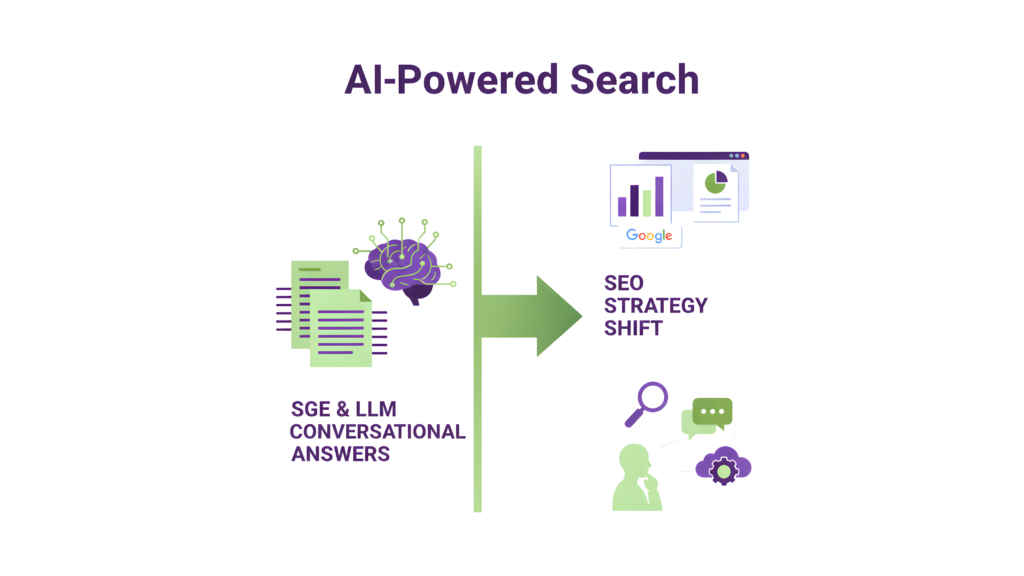
Large language models (LLMs) are not just changing search results—they’re reshaping how your customers find information online. This represents one of the most important SEO 2030 trends your business needs to prepare for now.
ChatGPT, Gemini, and Claude as search engines
The search battle has moved beyond Google’s traditional territory. ChatGPT serves an impressive 700 million weekly active users, making it maybe the second-most-used search tool online. Google’s Gemini has reached 400 million monthly users, while Anthropic’s Claude keeps growing with over 19 million users.
These platforms work differently from traditional search engines. Unlike Google’s list of blue links, LLMs give complete, conversational answers from multiple sources. Users have adapted to this change: most don’t expect to visit websites after getting an AI-generated response.
Each platform shows unique strengths in comparison. Gemini works faster at web searches, while Claude shows better accuracy with factual queries. ChatGPT delivers the best shopping-related results, which suggests specific use cases are emerging for each platform.
ChatGPT, which over 80% of younger users prefer, takes a different approach that puts conversation ahead of finding links.
Multimodal Search: Voice, Image, and Text Fusion
Search is evolving beyond text-only queries. Multimodal search, which combines text, image, voice, and video inputs, grows faster in adoption. Google Lens processes nearly 20 billion visual searches monthly, and 20% relate to shopping.
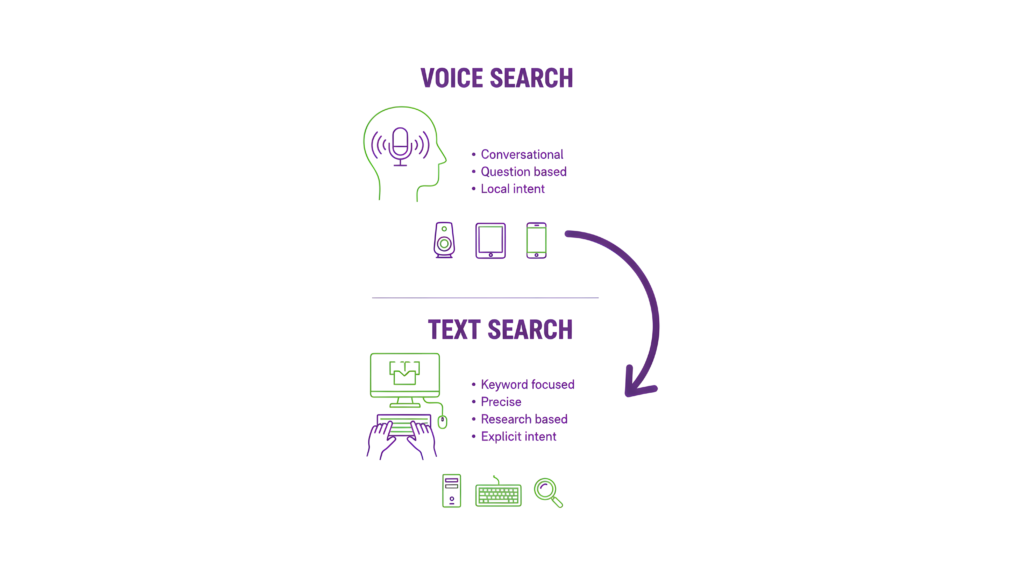
This move toward voice and image ranking reshapes what it means to work for your business. Multimodal search lets users:
- Take photos and ask follow-up questions by voice
- Mix text queries with images to find specific products
- Speak natural commands instead of typing keywords
Your technical SEO for e-commerce must prepare for users who might photograph products and ask an AI, “Do you have this in blue?” or “What goes well with this?” Tools like GPT-4 show how AI agents can now “reason across audio, vision, and text in real-time”.
Why Gen Z Prefers AI-First Search Experiences?
Young users’ approach to finding information points to future SEO 2030 trends. ChatGPT attracts 66% of 18-24 year-olds, close to Google’s 69% usage rate. A recent survey shows 76.3% of people under 29 trust AI answers more than traditional Google search results.
Several factors drive this preference. Gen Z likes conversational interfaces that give direct, combined answers instead of making them scan multiple websites. They value getting detailed information in one place quickly.
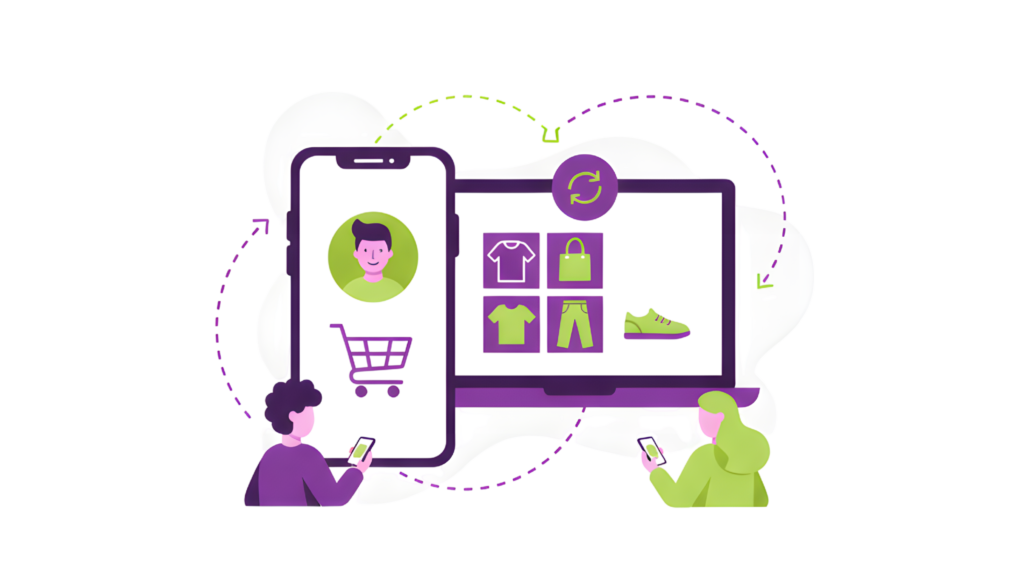
Your bigcommerce seo company strategy needs to understand these changing priorities. Gen Z sees AI as a creativity engine. They use it not just to find answers but to spark ideas and solve complex problems.
These changes matter significantly to your business. About 41% of consumers now rely on AI summaries instead of clicking through to websites, and 13% skip search engines completely. Your content strategy must evolve beyond traditional ranking methods.
Businesses that position themselves as trusted sources for LLMs will lead the future. Your SEO 2030 Trends strategy should focus on content that shows expertise, answers questions fully, and exists in formats that AI agents can easily understand and reference.
Answer Engine Optimization (AEO) for AI Overviews
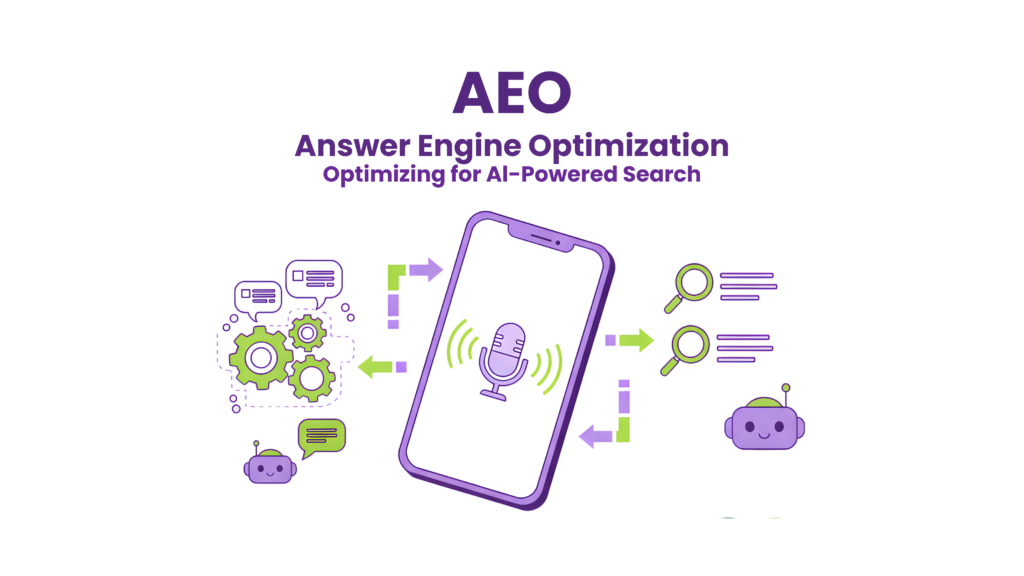
AI Overviews have altered the map of search, making content optimization vital to stay visible in this new environment. Answer Engine Optimization (AEO) helps structure content so AI systems can understand, extract, and present it to users, often without them visiting your website.
Using FAQPage and HowTo schema for AI visibility
Structured data has grown from an SEO afterthought into a basic requirement for AI visibility. FAQPage schema turns your question-answer content into a format that AI systems can cite with confidence. This markup helps search engines and LLMs interpret your content precisely, which substantially increases your chances of showing up in AI-generated responses.
You can implement this effectively by:
- Using JSON-LD format (recommended by Google) to wrap Q&A content
- Making sure the schema matches the exact text visible on your page
- Adding at least one or two frequently asked questions on every page
- Formatting questions as heading tags with clear, concise answers
Note that Google’s AI uses schema to understand content layout while deciding which information to surface in SEO 2030 trends like AI Overviews.
Creating Summary-Ready Content for SGE and Bing AI
Your content needs to match how algorithms interpret search intent and identify credible sources to earn a spot in AI Overviews. Each key section should start with a direct answer (40-60 words) that addresses the core question. This makes your content “snippable”, AI can easily extract and present it as a standalone response.
Microsoft states, “In traditional search, visibility meant appearing in a ranked list of links. In AI search, ranking still happens, but it’s nowhere near ordering entire pages and more about which pieces of content earn a place in the final answer”.
Your summary-ready content should:
- Use H2s and H3s that connect directly to common user questions
- Include definition-style responses to high-level queries
- Split content into clean, reusable segments with bullet points and comparison tables
- Add self-contained phrasing that makes sense even when pulled out of context
- Back statements with specific details instead of vague claims
This approach helps technical SEO for ecommerce strategies because search engines can better connect your product information to relevant queries.
Voice-First SEO for Local and Mobile Discovery
Voice and image ranking will shape future search ecosystems, making voice discovery optimization a vital part of strategy. People often use voice search on the go, making it valuable for local businesses.

Voice search users represent the hottest leads in local search because they’re ready to act (visit, call, or purchase) usually within the hour. Your voice optimization should:
- Use natural, conversational language that matches spoken questions
- Add FAQ content structured for voice extraction with complete sentences
- Use the Speakable schema to tell assistants which sections work well with voice
- Target long-tail, conversational keywords that reflect natural speech
- Keep sentences short and direct for chat-style answers
- Complete your Google Business Profile accurately, as it feeds voice search data
The digital world keeps evolving, and your BigCommerce SEO company strategy should prepare for users who find products through voice commands rather than typed queries.
Generative Engine Optimization (GEO) for LLM Citations
The next frontier in SEO 2030 trends goes beyond AI Overview optimization. Your content must get citations from large language models. A strategic method called Generative Engine Optimization (GEO) helps maximize visibility in AI-generated responses on platforms like ChatGPT and Perplexity.
Citation-Ready Content for ChatGPT and Perplexity
AI-generated summaries will cite your content if you structure it properly. Your content should feature “answer nuggets” of 40-80 words that deliver complete, self-contained thoughts. AI systems can extract and reference your expertise from these concise sections without needing extra context.
Creating citation-ready content requires you to:
- Structure paragraphs with an answer-first format and headings that address common questions
- Add FAQ schema to boost visibility in AI responses
- Add illustrative visual assets with proper ImageObject markup
- Write definition-style responses that AI can extract and attribute easily
Studies reveal 36.6% of search keywords generate featured snippets from schema markup. This makes structured data vital to technical SEO for ecommerce strategies. Perplexity AI differs by citing its sources consistently. Businesses can build authority through these source attributions.
Entity Optimization Using schema.org and Sameas
Entity recognition in AI systems relies heavily on the sameAs property within schema.org markup. This property links your content with authoritative sources such as Wikipedia pages, Wikidata entries, or official websites. LLMs use these connections to identify the exact entity in your discussion.
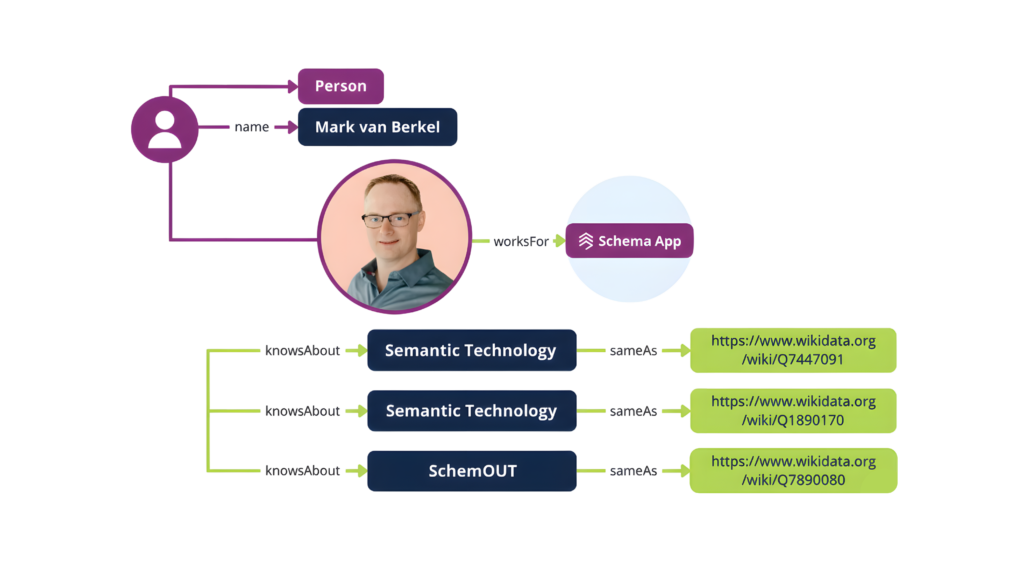
Your entity optimization should use JSON-LD structured data with sameAs properties that point to relevant authoritative sources. These entity connections become vital as AI search moves toward a context-based model. They help establish your site as a trusted information source.
Good technical practices demand valid sameAs reference URLs that don’t return 404 errors. AI agents will recognize your brand as a distinct entity worthy of citation throughout the digital ecosystem.
E-E-A-T Signals and Author Verification for Trust
Authorship and expertise matter more than ever, with AI-generated content becoming common in SEO 2030 trends. Google’s E-E-A-T framework determines which sources AI-driven search results should cite. Experience, Expertise, Authoritativeness, and Trustworthiness shape these decisions.
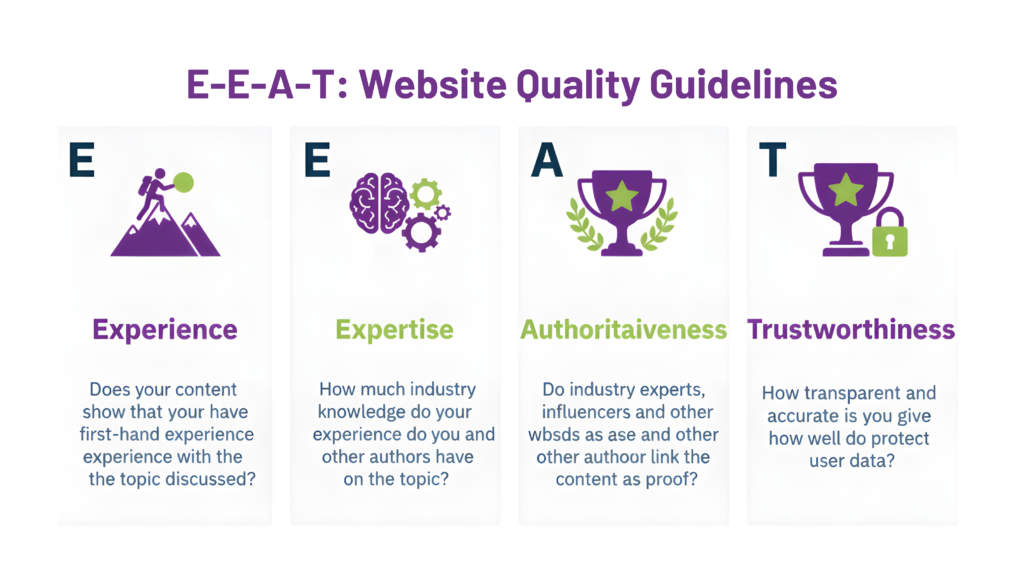
Your E-E-A-T signals grow stronger when you:
- Include accurate authorship information with bylines on all content
- Develop detailed author bios showing credentials and expertise
- Add transparent AI-generation disclosures where needed
- Reference reliable sources and research studies
LLMs show “exceptional capacity for reasoning” in identifying content creators. This makes clear authorship signals essential for your bigcommerce SEO company strategy. AI systems must recognize and trust these signals.
AI systems in voice and image ranking for multimodal search environments look at citation patterns, peer recognition, and content amplification across platforms. Your brand’s visibility in the AI-driven search landscape of 2030 depends on optimizing these signals now.
Agentic AI Optimization (AAIO) and Machine-Actionable SEO
The next phase of SEO 2030 trends goes beyond passive optimization. Your content needs to be machine-actionable for autonomous AI agents. This transformation shows how businesses must adapt their digital presence so AI can find and choose them.
Preparing APIs and Structured Offers for AI Agents
AI agents need different APIs than traditional developer-focused ones. Your content needs APIs that support independent thinking machines, not just data retrieval. The emerging standards you need include:
- Model Context Protocol (MCP) – A standard that helps AI agents share context, intent, and data across models and tools
- Agent-to-Agent Protocol (A2A) – Let’s autonomous agents work together and negotiate tasks with minimal human input
- Agent Payments Protocol (AP2) – Let’s AI make verified purchases using cryptographically signed mandates
Developers use these protocols to create “execution spaces” where agents find resources, verify access, and work on their own. Your technical SEO for ecommerce strategy needs to include these machine-readable interfaces.
Booking, Pricing, and Availability Schema for Selection
AI agents work best with booking and comparing services when they can access structured availability and pricing data. Google’s AI Mode already knows specific product priorities and buys items automatically when prices drop.
Your business should:
- Use the Hotel and HotelRoom schema with required properties like name, address, and offers
- Add pricing details with CompoundPriceSpecification for base rates and taxes
- Show real-time availability using schema.org/InStock or schema.org/SoldOut properties
- List occupancy, amenities, and cancellation policies in structured data
This structured approach matters a lot for voice and image ranking since multimodal search relies more on machine-readable data.
Agentic Flows in Ecommerce and Service Industries
Consumer habits are moving toward what experts call “horizontal-agent ecosystems” that handle various needs. People will let personal AI assistants handle their shopping, travel booking, and service scheduling instead of using different platforms.
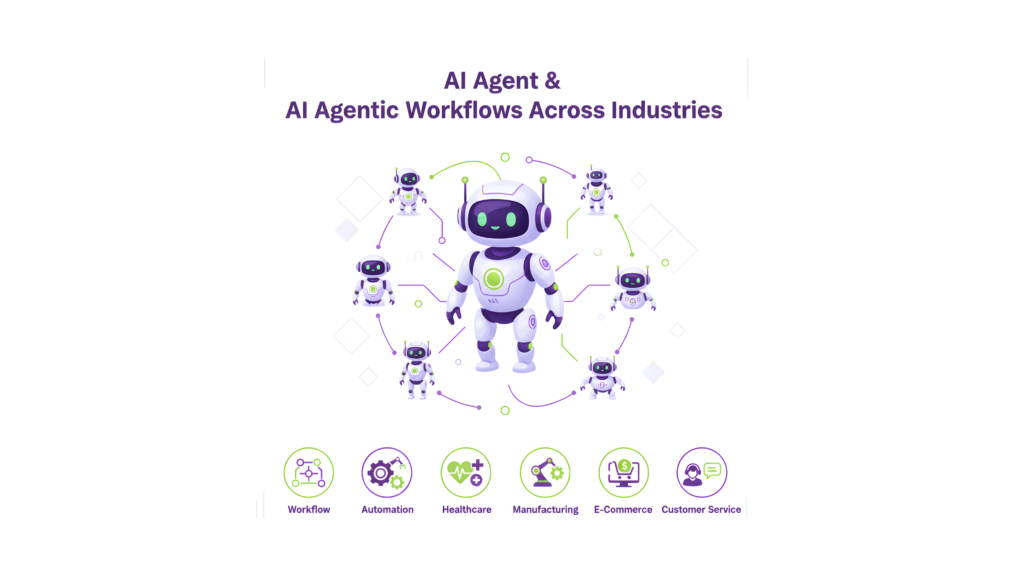
Your bigcommerce SEO company strategy should focus on three areas for agent discovery:
- Data infrastructure that follows MCP guidelines for smooth AI integration
- Tools that track how visible your brand is on generative AI platforms
- Simple product, price, and availability structures that agents can easily find and compare
Half of all consumers use AI for internet searches. The time to get your digital infrastructure ready for machine-actionable SEO in 2030 is now.
New SEO KPIs: From Rankings to AI Visibility Metrics
AI-powered search environments just need a complete rethinking of your SEO KPIs. Traditional metrics are becoming less relevant, and new measurements of AI visibility are vital to track true digital effects.
Tracking LLM citations and AI Overview Impressions
AI citations have become significant performance indicators that show how often your brand appears as a source in AI-generated answers. Only 16% of brands track AI search performance systematically. This creates a competitive edge for early adopters. Your brand’s authority in AI ecosystems is directly reflected by citation frequency on platforms like ChatGPT, Perplexity, and Google’s AI Overviews. Your SEO 2030 trends performance can be measured clearly through brand visibility score—calculated as (answers mentioning your brand ÷ total answers for your space) × 100.
Zero-Click Visibility Share vs Organic Traffic
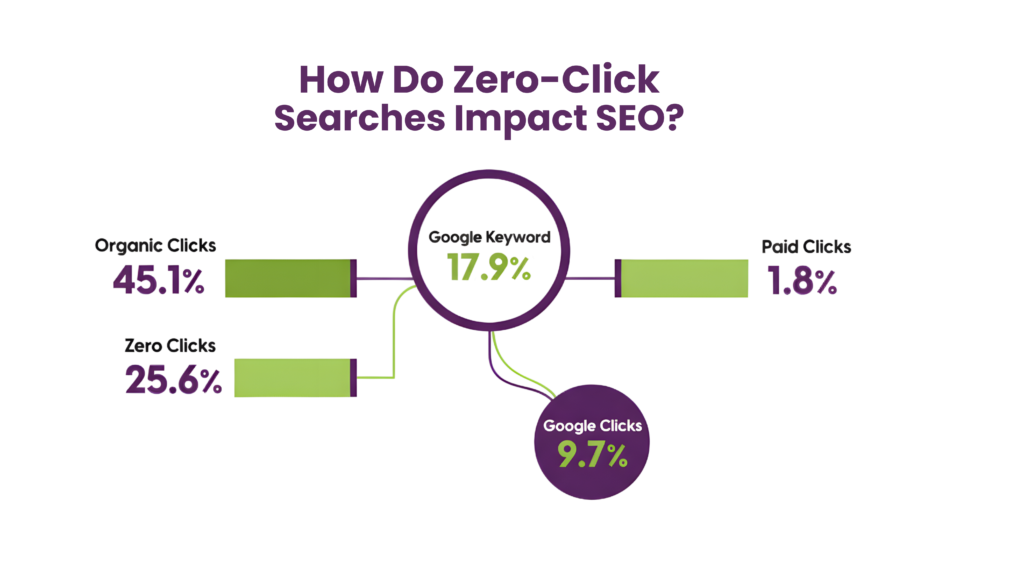
Zero-click searches have risen to 27.2% in the US from 24.4% last year. Organic clicks have dropped to 40.3%. These changes mean visibility and impressions matter more than traffic alone. Visibility has become more important than clicks for many queries, especially those seeking information.
Tools: Otterly.AI, SE Ranking, Google Search Console
Otterly.AI monitors your brand’s visibility on Google AI Overviews, Perplexity.AI, ChatGPT, and other AI platforms. It gives an explanation about citations, sentiment analysis, and competitive standing in multimodal search environments. Google Search Console includes AI Overview impressions in overall performance metrics, though they aren’t separated yet. Ubersuggest and Semrush are also offering AI visibility tracking, along with traditional technical SEO for ecommerce metrics.
Conclusion
Your SEO strategy needs to go beyond rankings and clicks as we look toward 2030. AI agents and large language models will dominate the digital world, and this will change how your customers find information online. The data makes this clear.
This change is happening now. Traditional organic traffic keeps dropping while zero-click searches rise. Young users now turn to ChatGPT almost as much as Google. Text, voice, and images blend into smooth search experiences.
Your business needs a complete approach in this new world that covers:
- Answer Engine Optimization (AEO) with well-laid-out schema markup that helps AI systems understand and cite your content
- Citation-ready content that LLMs like ChatGPT and Perplexity can easily extract
- Machine-actionable data through APIs built for autonomous AI agents
- New visibility metrics that track AI citations instead of just organic traffic
AI search adds to traditional SEO rather than replacing it. Your content should show expertise and provide complete answers. It also needs to be in formats that AI can easily understand and reference.
Companies that quickly adapt to these SEO 2030 trends will lead as people move toward AI-powered platforms. Your chance to shape buying decisions through AI citations stays strong, even as website traffic might drop.
Want to make your digital marketing strategy future-ready? The team at Rankfast helps businesses prepare for the changing search landscape. Their SEO services can help you use advanced optimization techniques needed to succeed in AI search. Start building your AI visibility today before your competitors do.
FAQs
Q1. How will AI impact traditional search engines by 2030?
By 2030, AI is expected to significantly reshape the search landscape. While traditional search engines like Google will likely still exist, there will be a shift towards more interactive, conversational search experiences powered by large language models. Users may increasingly rely on AI-driven platforms for information retrieval and decision-making.
Q2. What are the key components of an SEO strategy for 2030?
SEO in 2030 will focus on visibility optimization across multiple platforms. Key components include Answer Engine Optimization (AEO) for AI overviews, creating citation-ready content for language models, implementing machine-actionable data structures, and optimizing for multimodal search, incorporating text, voice, and images.
Q3. How can businesses prepare their content for AI-driven search?
To prepare for AI-driven search, businesses should focus on creating structured, summary-ready content with clear headings and concise answers. Implementing proper schema markup, optimizing for voice search, and ensuring content demonstrates expertise and authoritativeness will be crucial. Additionally, developing APIs that support autonomous AI reasoning will become increasingly important.
Q4. What new metrics will be important for measuring SEO success in 2030?
As traditional organic traffic declines, new metrics for SEO success will emerge. These include tracking AI citations and visibility in AI-generated answers, measuring impressions in AI overviews, and assessing zero-click visibility share. Tools like Otterly.AI and enhanced versions of current SEO platforms will help track these new KPIs.
Q5. Will SEO still be relevant in an AI-dominated search landscape?
Yes, SEO will remain relevant but will evolve significantly. While traditional ranking factors may decrease in importance, optimizing content for AI understanding and citation will become crucial. SEO professionals will need to focus on creating high-quality, structured content that demonstrates expertise and can be easily parsed by AI systems.
Leave a Reply