
Schema markup SEO plays a vital role in today’s AI-dominated search world. About 43% of consumers use AI-powered tools each day to research brands or businesses online. These changes affect how potential customers see and find your content.
AI Overviews show up on 13% of all U.S. desktop searches. However, 79% of people prefer traditional search engines to get general information. Your content needs to work for both human readers and AI systems in this mixed environment. Data shows the significance of structured data – 72% of pages on Google’s first page use some type of schema. Pages with schema get 40% higher click-through rates compared to those without.
Google’s AI Overviews, Bing’s Copilot, and Perplexity have altered the map of information discovery. Your business needs an organized approach to entity optimization and rich results. This piece will help you implement schema markup that makes your content stand out in both traditional and AI-powered search results.
How AI Search Engines Interpret Structured Content
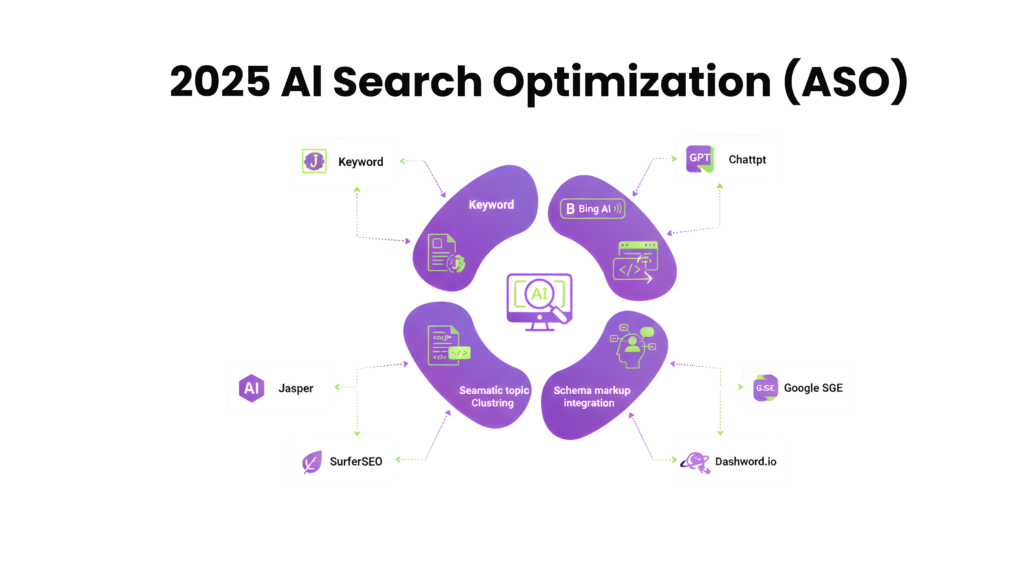
AI search engines have transformed how people find content online. Traditional search matches keywords, but AI systems understand meaning through entities, relationships, and context.
Why Traditional SEO Isn’t Enough For AI Search
Traditional keyword-based SEO strategies no longer cut it. You used to optimize content for specific search terms, but AI search engines now interpret the context and meaning behind those terms. Your content needs a more sophisticated approach to stay visible.
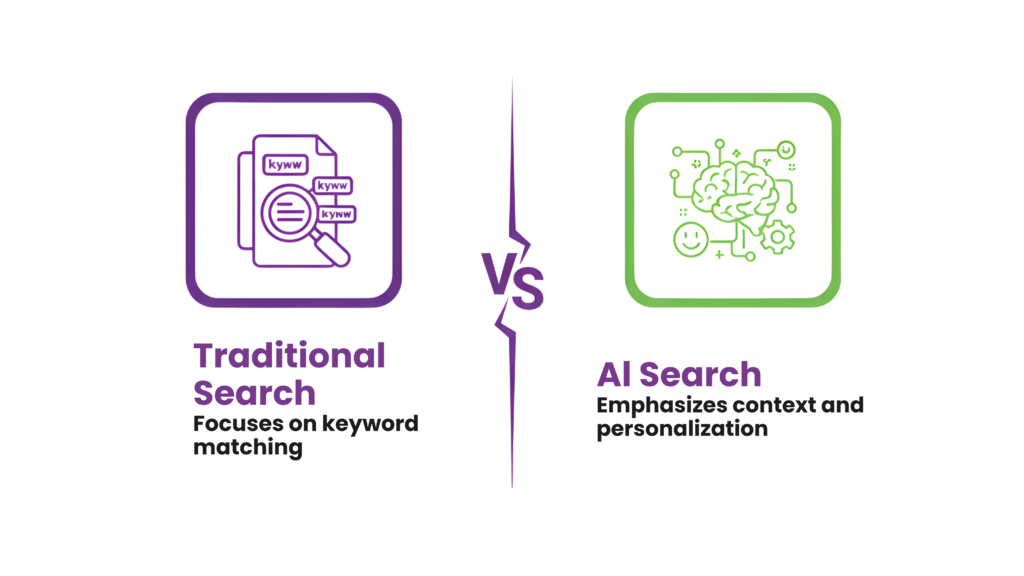
Google, Bing, and other AI systems now combine answers instead of just listing results. AI assistants look for structured information that clearly identifies businesses, services, and credentials. They don’t browse through web pages anymore.
Research shows that AI Overviews reduce clicks to traditional links by more than 30%. Your content might never reach potential customers without AI visibility, whatever your traditional SEO efforts might be.
Entity-Based Indexing And Semantic Understanding
AI search engines organize information around entities—people, organizations, places, products, and concepts. Search engines can build complete knowledge graphs with billions of facts about millions of entities.
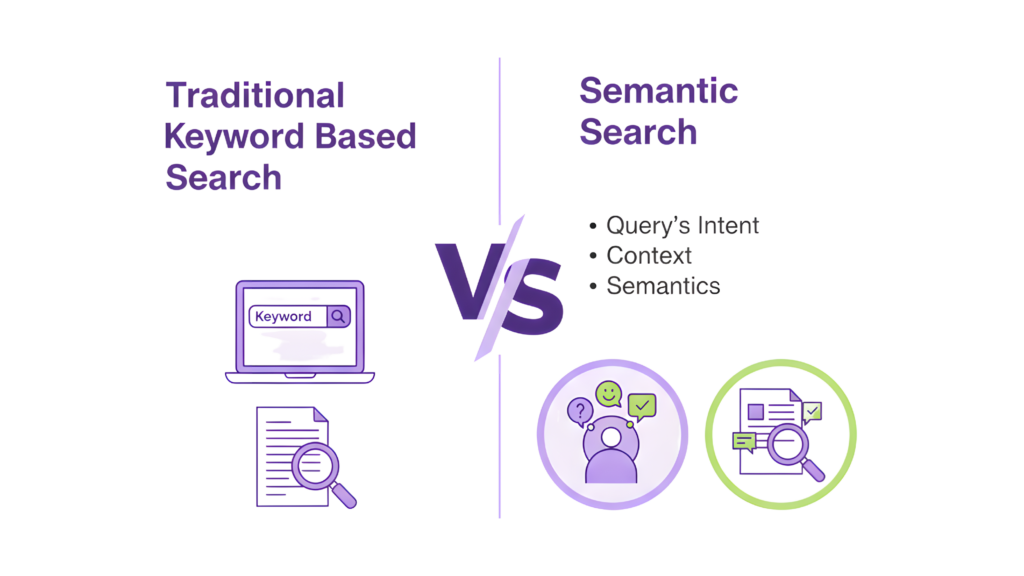
A search for “Tesla” helps Google identify the company and related entities like Elon Musk, electric vehicles, and specific models. This semantic understanding delivers relevant results based on user intent, even without exact keywords.
Modern search engines use Natural Language Processing (NLP) technologies to understand relationships between entities. Google’s Knowledge Graph has over 500 billion facts about 5 billion entities. This big network of interconnected information powers AI-generated responses.
How Schema Markup Supports Machine Readability
Schema markup bridges your content and AI systems. It serves as a blueprint that helps search engines categorize and display information better.
Schema markup tells AI systems exactly what your content means. Pages with complete schema markup are 36% more likely to appear in AI-generated summaries and citations.
Schema markup helps you:
- Define entities and their properties precisely
- Establish clear relationships between content elements
- Connect your brand to related topics and verified sources
- Improve the disambiguation of your products and services
Algorithms struggle to understand your content without structured data. A semantic layer that AI systems can easily process and reference emerges when you add schema markup that defines entities, their properties, and relationships.
Schema Markup Best Practices for AI Search Optimization
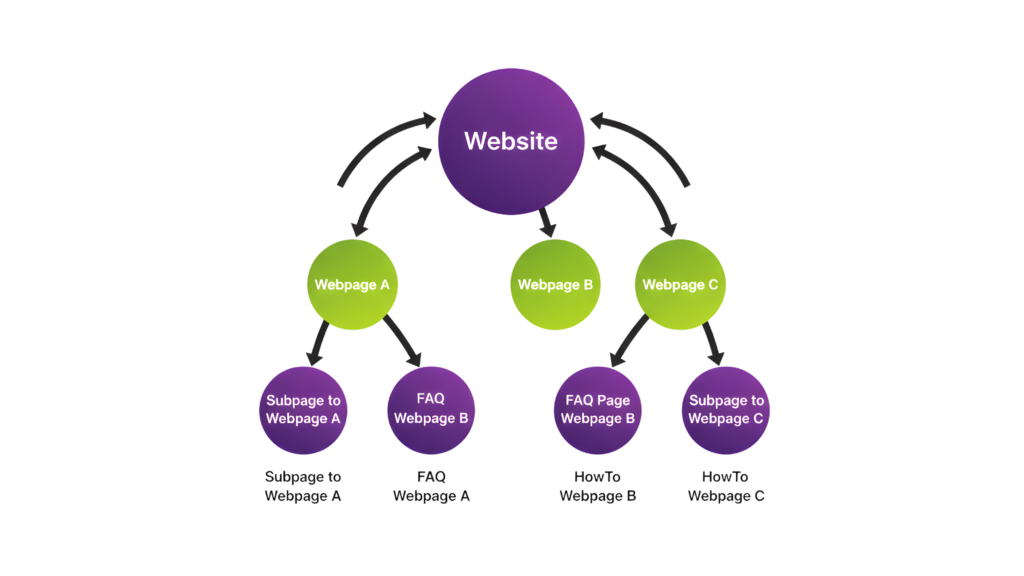
Schema markup SEO works best when you follow specific technical guidelines that boost visibility in AI-driven search results. The right implementation helps your structured data communicate with search algorithms and gives you better entity recognition and display options.
Use JSON-LD Format For Clean And Adaptable Markup
JSON-LD stands as Google’s explicitly recommended format for schema markup SEO implementation. This JavaScript notation has clear advantages over alternatives like Microdata or RDFa because it’s less prone to errors and easier to manage. You should place JSON-LD in the <head> section of your HTML so search crawlers find your structured data right away.
JSON-LD’s main strength comes from its separation from visible HTML elements. The code doesn’t mix with your content markup, which makes it easier to maintain as your site grows. This separation becomes valuable during template changes or site-wide updates.
Only Mark Up Visible Content To Avoid Penalties
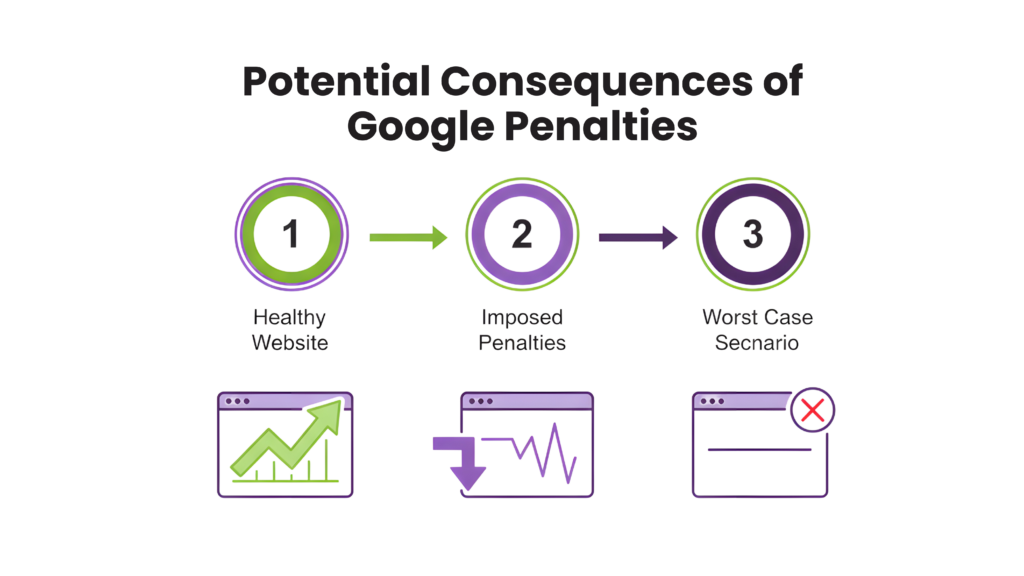
Search engines have strict rules about schema markup usage. You must never add structured data about information that users can’t see on your page. Google’s quality guidelines treat hidden markup as misleading, and this can lead to penalties or disqualification from rich results.
Keep Schema Accurate And Arranged With Page Content
Your schema markup needs to match your visible content perfectly to build search trust signals. Dates, prices, availability, and reviews must be exactly the same as what appears on the page. The schema types should also match the content logically—a blog post needs BlogPosting schema rather than Product schema, even if products are mentioned.
Audit Structured Data Regularly For Updates
Schema markup needs ongoing maintenance instead of just one-time setup. Both Google and Schema.org keep updating their specifications. Set up regular audits using tools like:
- Google’s Rich Results Test
- Schema Markup Validator
- Google Search Console’s enhancement reports
These tools help find implementation errors, missing required properties, and ways to expand your structured data coverage. Large sites with thousands of pages should look into automated monitoring solutions that alert them to schema drift—when content changes but markup stays the same.
Combining Schema with NLP for Maximum Visibility
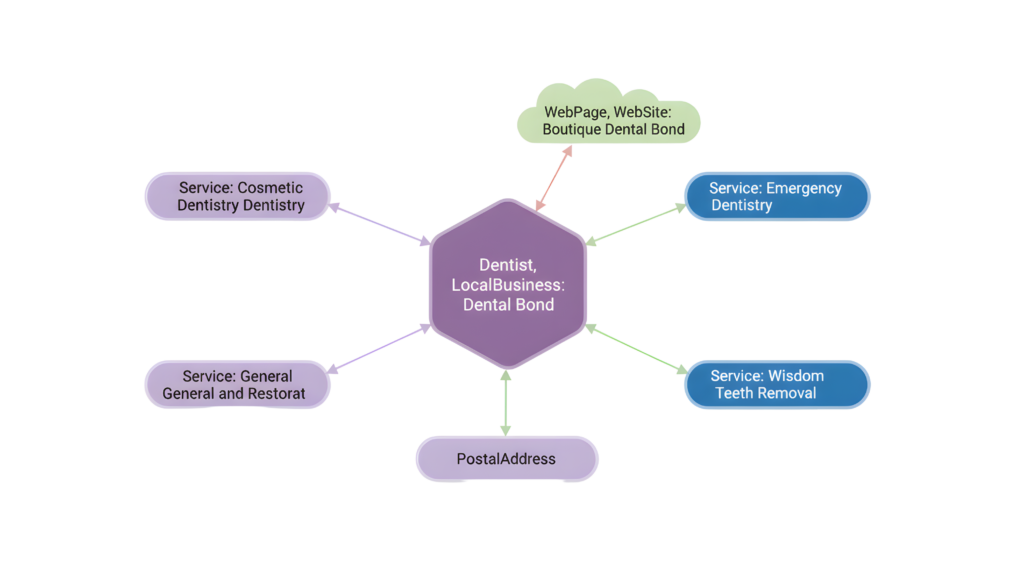
A well-structured content design is vital to make your website information available to AI search engines. Schema markup SEO combined with natural language processing (NLP) techniques substantially improves how machines interpret and rank your content.
Clear Heading Hierarchy For Semantic Clarity
Well-laid-out headings serve as a roadmap for users and AI systems. Screen readers let users direct through a page by heading levels. Search engines use this hierarchy to understand content relationships and create topic models. The proper sequential heading flow (H1 → H2 → H3) should never skip levels because it provides clear semantic signals about content importance.
Introducing Key Entities Early In Your Content
Entity salience—how prominently an entity appears in your content—directly affects AI visibility. Your page’s main topics should appear in the introduction to help search engines identify the content’s purpose.
Google assesses entity salience through factors like frequency, context depth, and relationships between concepts. The explicit identification of key entities early helps AI systems connect your content to relevant knowledge graph entries.
Using Synonyms And Related Terms For Context
AI search engines go beyond exact keyword matches. Related terms strengthen meaning and help AI connect concepts. To cite an instance, see a product’s noise level discussion – include synonyms like “quiet,” “sound rating,” and “acoustic performance” to create semantic context. Modern search engines use this approach with NLP to assess content relevance.
Structuring Content With Lists, FAQs, And Semantic HTML
Semantic HTML tags (,,) help AI systems understand each content area’s purpose. Research shows pages with complete schema markup are 36% more likely to appear in AI-generated summaries. Here are some formatting approaches:
- Lists and bullet points work well for key steps or comparisons, as AI often extracts these for featured snippets
- FAQ schema implementation helps create question-answer content that can appear as rich results and Google Assistant actions
- Raw HTML content works better since many AI scrapers struggle with JavaScript-rendered content
Schema markup combined with these NLP-friendly techniques creates content optimized for traditional search and AI-powered discovery systems.
Why Choose RankFast for Schema Markup SEO
Your AI search visibility depends on picking the right partner for schema markup implementation. RankFast excels as a specialized provider of schema markup solutions. They do more than basic implementation to help your B2B business succeed in AI-powered search environments.
Free Schema Validator Tool For Instant Checks
You can check your structured data implementation right away with RankFast’s Schema Validator tool. The process is simple – enter your URL and click “Validate Schema.” The tool spots errors or warnings in your markup syntax quickly. This free tool will give a perfect schema markup implementation before launch. The importance shows in the numbers – 72.6% of pages on Google’s first page use schema.
Expert Support For White Label Local SEO Services
RankFast provides complete white label local SEO services during your schema implementation trip while protecting your brand identity. Their team makes your website’s schema markup better. Search engines understand your content better, which leads to improved click-through rates. The value is clear—businesses using structured data see a 25% higher click-through rate than those without it.
Proven Strategies For AI Search And Rich Results
Your website needs to be ready for AI-driven search. RankFast builds data structures that AI systems can process easily. Their methods stop AI results from misrepresenting your brand or creating “hallucinations.” Users spend 1.5x more time on pages with schema markup, according to case studies.
Ongoing Optimization And Performance Tracking
Search algorithms keep changing, so monitoring is vital. RankFast develops dynamic schema markup strategies that keep up with these changes. Your schema implementation stays current as search technologies move toward AI integration. The results speak for themselves—Nestlé’s pages with rich results showed an 82% higher click-through rate compared to standard pages.
Conclusion
Schema markup has become vital for visibility in both traditional and AI-powered search results as search technology continues to advance. You’ve learned how structured data works as the critical bridge between your content and AI systems. It creates a translation layer that machines can understand and process.
The numbers tell a compelling story. Pages with schema get 40% higher click-through rates and show up prominently in AI-generated summaries. The change to entity-based indexing means businesses need to adapt fast or risk becoming invisible to users who rely on AI search tools.
Technical implementation combined with NLP-friendly content structure will improve your chances to appear in AI search results. This approach has clear heading hierarchies, strategic entity placement, and semantic HTML. These elements work together to make your content machine-readable while staying valuable to human readers.
Want to elevate your schema markup strategy? RankFast’s local business SEO services offer expert implementation specifically for B2B businesses aiming to lead in AI search results. You can check your current implementation with their free Schema Validator tool to find the exact changes that will make your content stand out in both traditional and AI-powered search environments.
FAQs
Q1. What is schema markup and why is it important for AI search?
Schema markup is a code that you add to your website to help search engines understand your content better. It’s crucial for AI search because it provides structured data that AI systems can easily interpret, improving your visibility in search results and increasing the chances of appearing in rich snippets.
Q2. How does schema markup differ from traditional SEO techniques?
While traditional SEO focuses on keywords, schema markup emphasizes entity-based indexing and semantic understanding. It allows you to explicitly define entities, their properties, and relationships, which helps AI search engines comprehend your content’s context and meaning more accurately.
Q3. What format should I use for implementing schema markup?
The recommended format for implementing schema markup is JSON-LD (JavaScript Object Notation for Linked Data). It’s preferred because it’s cleaner, more scalable, and easier to manage compared to other formats. JSON-LD can be placed in the section of your HTML, making it simple to implement and maintain.
Q4. How often should I audit my schema markup?
Regular audits of your schema markup are essential. It’s recommended to establish a consistent schedule for checking your structured data, as both Google and Schema.org frequently update their specifications. Use tools like Google’s Rich Results Test or Schema Markup Validator to identify errors and ensure your markup remains accurate and up-to-date.
Q5. Can schema markup improve my website’s click-through rates?
Yes, implementing schema markup can significantly improve your website’s click-through rates. Studies have shown that pages with schema markup can receive up to 40% higher click-through rates compared to those without it. This is because schema helps your content appear in rich results, making it more attractive and informative in search engine results pages.
Leave a Reply