Did you know the global digital advertising market is projected to exceed $1 trillion by 2027? This explosive growth creates enormous opportunities for agencies that offer white label local SEO services to expand beyond local markets. Your agency can reach new audiences in regions like Southeast Asia, where internet penetration now tops 80%.
But expansion brings its own set of challenges. The average data breach in marketing costs $4.8 million, and 60% of these breaches happen through third-party vendors. White label SEO lets you provide detailed strategies without direct task execution. Your service offerings get better when you team up with specialized SEO providers.
This piece will help you scale your white label local SEO services while managing complex privacy regulations. You’ll find practical ways to automate privacy-conscious SEO tasks, assess potential partners, and set up secure client communication protocols that protect everyone involved.
What Is White Label Local SEO and Why It Matters

White label local SEO gives agencies a great chance to grow their service offerings. Google searches now show that almost half of all queries have local intent. The data reveals that 76% of local searches lead to customers visiting a business within 24 hours. Local SEO services have become valuable for businesses that have physical locations.
Definition of SEO White Label Services
White label SEO lets you team up with a third-party provider who handles SEO services. You can rebrand these services and sell them as your own. The setup involves three main players: the white-label service provider does the work, your agency manages client relationships, and the end client gets services under your brand name. This setup makes shared work possible without building these capabilities in-house.
How Local SEO Is Different from National SEO
Local SEO optimizes your clients’ online presence for specific geographic areas. National SEO targets broader audiences in multiple regions. Here are the main differences:
- Target Audience: Local SEO targets specific cities or regions. National campaigns look for visibility across the country.
- Keyword Strategy: Local campaigns use geographic terms like “near me” or city names. National strategies need broader, high-volume terms.
- Core Techniques: Local SEO needs Google Business Profile optimization, local citations, and review management. National campaigns put more effort into content strategies and link building.
Benefits of White Labeling for Local Campaigns
Mutually beneficial alliances are a great way to get more than simple outsourcing. They deliver consistent quality through tested frameworks and standard procedures. You also get expert help with multi-location management without hiring new staff.
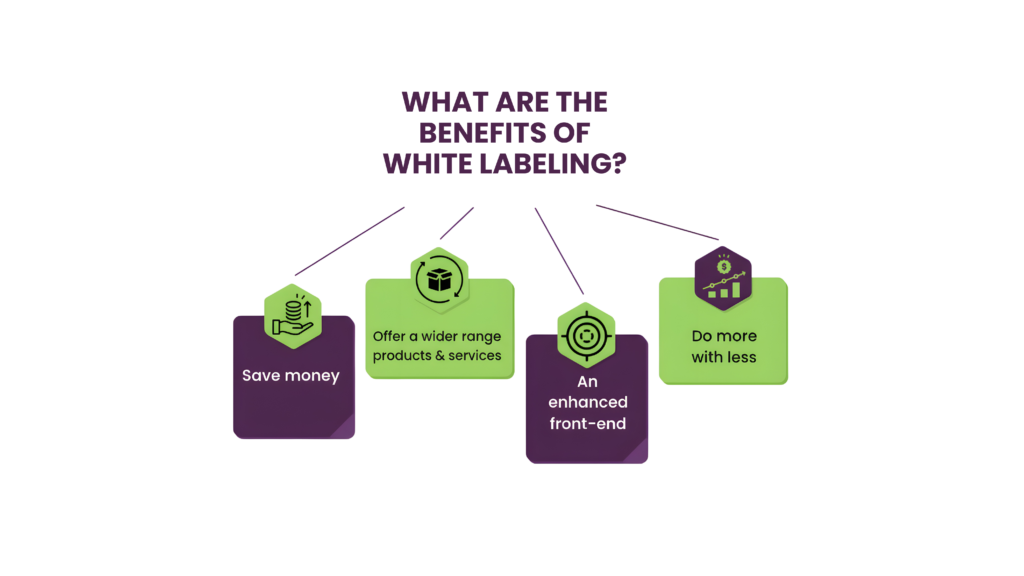
The model helps smaller agencies become enterprise-ready service providers. Your clients get professional local SEO while you build stronger relationships. Local SEO wins show up as better rankings, more reviews, and improved conversions.
These results build client loyalty over time. Businesses see consistent improvements and become less worried about price, which reduces turnover and increases their lifetime value.
How Privacy Laws Impact Local SEO Delivery
How Privacy Laws Impact Local SEO Delivery
Privacy regulations have changed the way you deliver white label local SEO services to clients. These laws keep evolving in different regions. You need to understand how they affect your ability to grow your agency without legal issues.
Overview of GDPR, CCPA, and Global Privacy Laws
The General Data Protection Regulation (GDPR) from the European Union established a new global standard for data privacy in 2018. It requires users to explicitly consent before collecting their personal data and gives them unprecedented control over their information. The California Consumer Privacy Act (CCPA) came next with similar protections for California residents. It gives them the right to know about collected data, request its deletion, and opt-out of data sales.
Your agency needs to keep track of several other regional regulations besides these prominent frameworks:
- Japan’s Act on Protection of Personal Information
- China’s Personal Information Protection Law
- Brazil’s General Data Protection Law
- Australia’s Privacy Act
- India’s Personal Data Protection Bill
These laws create specific compliance requirements based on your clients’ customers’ location, not just where you operate.
Client Data Risks in Local SEO Campaigns
Local SEO campaigns collect lots of data that could violate privacy laws. Your white label services gather information through:
- Website analytics that track user behavior
- Contact forms that collect personal details
- Review management systems that store customer feedback
- Location-based targeting that uses IP addresses
The risks of non-compliance are huge. GDPR violations can lead to fines up to €20 million or 4% of global revenue. Money isn’t the only concern – mishandling data hurts client trust and reputation, which matter more than any quick SEO wins.
Legal Requirements for SEO Agencies
Your legal responsibilities cover the entire service delivery chain. You must:
- Data Minimization: Only collect information that’s vital for specific SEO goals
- Transparent Policies: Keep clear privacy policies on client websites that explain data usage
- Vendor Compliance: Check if all third-party tools and partners handle data properly
- Deletion Processes: Set up systems that let users exercise their “right to be forgotten”
Remember, if your clients have international customers, you must follow privacy regulations in every country where those customers live.
Scaling Local SEO Services Without Breaking Compliance
Your white label local SEO services need a careful balance between growth and privacy requirements. A 2024 Cisco survey reveals that 75% of consumers avoid businesses they don’t trust with their data. Privacy-focused scaling strategies will determine your long-term success.
Automating Local SEO Tasks with Privacy in Mind
The right automation tools help you manage multiple clients while keeping data secure. These platforms offer built-in privacy features that you should consider:
- BrightLocal gives you citation building and review monitoring from one dashboard
- Yext keeps business information accurate across hundreds of directories
- SearchAtlas delivers detailed SEO insights with backlink monitoring and rank tracking
These platforms cut down manual work by a lot, but they still need proper privacy guardrails to stay compliant.
Using Secure APIs for Location-Based Data
Secure API implementation should be your priority when accessing location data. Google Places API lets you get location details while you retain control through proper authorization methods. Your secure APIs must include:
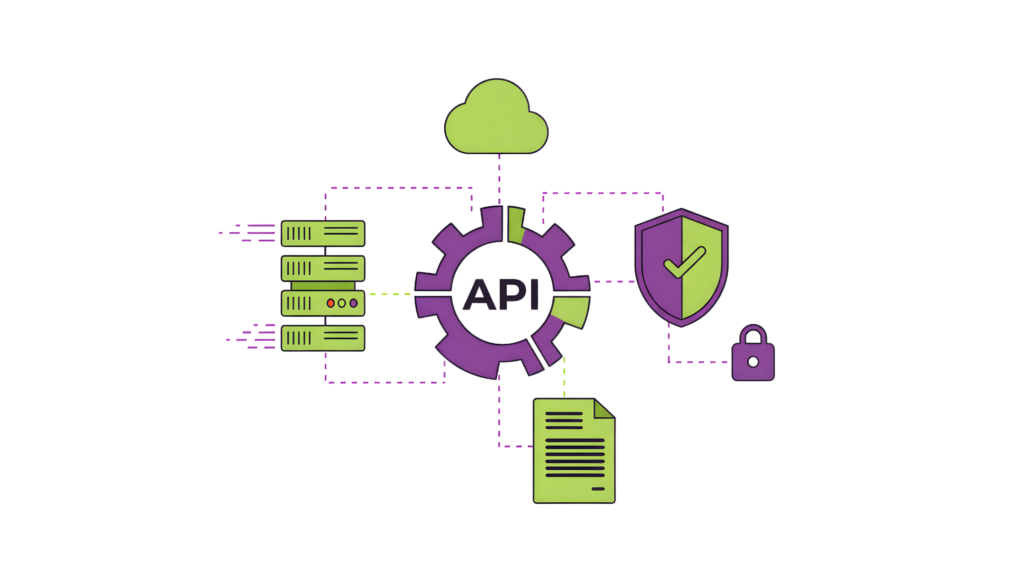
- Data minimization techniques that gather only essential location details
- Clear data usage policies that users can easily understand
- Strong encryption for every data transmission
Creating SOPs for Privacy-Safe SEO Execution
Standard Operating Procedures serve as the foundation of your compliance strategy. You need a solid grasp of your clients’ brands and target audiences. The next step involves creating seed content with specific variables that keep messaging consistent across locations. Your team should document how they handle consent collection, minimize data use, and follow retention policies.
Client Communication Guidelines for Data Handling
Trust builds through transparent communication with clients and their customers. Your guidelines must cover:
- Documentation that explains what data you collect and why
- Privacy updates sent through secure channels
- Clear consent processes before any location data collection
Direct IP-based redirects should be avoided. Instead, give users relevant regional content options and let them choose their location manually.
Choosing the Right White Label SEO Partner
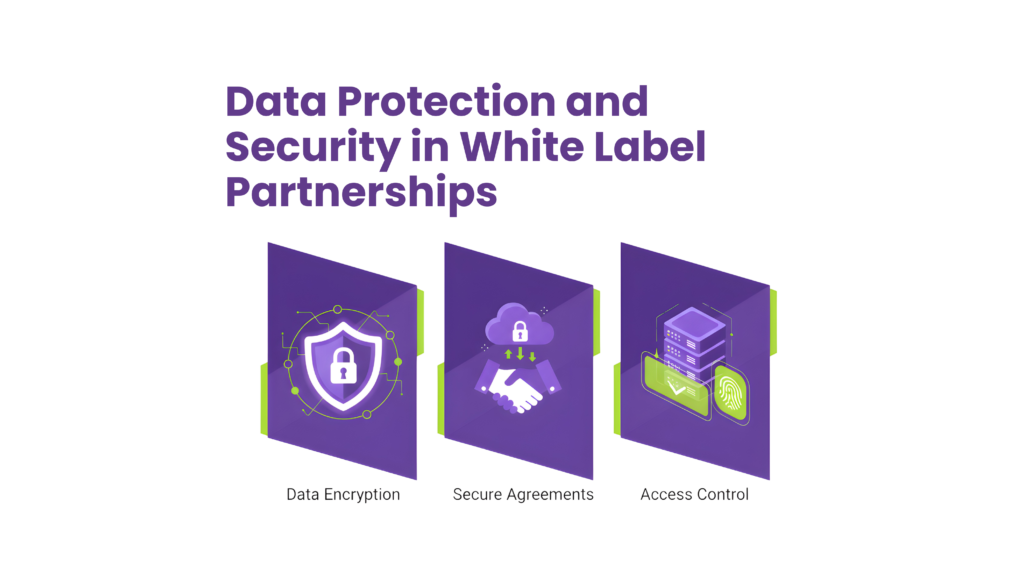
Your agency’s long-term success depends on picking the right white label SEO partner. Privacy practices need careful evaluation because the digital world has changed significantly.
Evaluating Data Security Standards and Certifications
A solid data protection strategy starts with proper certification checks. You should ask for proof of these security credentials:
- ISO 27001 certification for information security management
- SOC 2 compliance for service organizations
- PCI-DSS certification for payment card handling

Security audit reports will help you assess their system’s reliability. This includes cloud systems, front-end protections, and physical access controls. You should also get into their breach history and response protocols to understand how they handle crises.
Transparency in Reporting and Data Access
Quality partnerships need complete reporting transparency. Good providers show their value through detailed reports without revealing the source platform. The right partner should give you:
- Full control over client data visibility
- Multiple branded profile options
- Custom email alerts with your branding
Communication plays a key role. Partners should keep clients updated and respond quickly to questions.
White Label SEO Tools That Support Compliance
The best white label tools make data protection a priority. Look for platforms that:
- Keep data stored locally without unauthorized collection
- Don’t run scheduled data collection tasks
- Work without external site links
- Follow GDPR and other regulations completely
Why Choose Rankfast for Privacy-Focused SEO Fulfillment
Rankfast delivers privacy-first SEO solutions effectively. They work with U.S.-based teams to eliminate outsourcing risks. Their system has transparent communication protocols and flexible reporting options, including PDF, spreadsheets, and online dashboards. Each client works with a dedicated account manager who knows specific industry needs and privacy requirements.
Conclusion
Privacy compliance matters just as much as performance when you expand your agency’s white label local SEO offerings. You’ve seen how proper data handling creates the foundations of green practices throughout this piece. The most effective SEO strategies focus on both client results and customer data protection.
Automation tools can reduce manual workloads by a lot as you scale your services. They need careful setup, though. Secure APIs for location data help you retain control while delivering individual-specific experiences. Your standard operating procedures become crucial for compliant service delivery, especially with multiple client accounts.
The strategies in this piece will help your growth while maintaining high privacy protection standards. These principles work at any stage of agency development, whether you’re new to white label partnerships or improving existing processes.
Want to elevate your agency with privacy-compliant white label SEO services? The Rankfast team specializes in white label SEO and targeted digital marketing solutions that excel in both performance and privacy. Your clients deserve excellence in results and data protection.
FAQs
Q1. What is white label local SEO, and how does it benefit agencies?
White label local SEO is a service where agencies partner with third-party providers to offer SEO services under their own brand. It allows agencies to expand their service offerings without developing in-house expertise, access specialized knowledge, and focus on client relationships while delivering professional-grade local SEO results.
Q2. How do privacy laws impact local SEO delivery?
Privacy laws like GDPR and CCPA significantly affect local SEO by requiring explicit user consent for data collection, giving individuals control over their information, and imposing strict penalties for non-compliance. Agencies must adapt their practices to ensure data minimization, maintain transparent policies, and implement proper deletion processes.
Q3. What are some key strategies for scaling local SEO services while maintaining compliance?
To scale compliant local SEO services, agencies should automate tasks using privacy-focused tools, utilize secure APIs for location-based data, create standard operating procedures (SOPs) for privacy-safe execution, and establish clear client communication guidelines for data handling.
Q4. How can agencies choose the right white label SEO partner?
When selecting a white label SEO partner, agencies should evaluate their data security standards and certifications, assess transparency in reporting and data access, look for tools that support compliance, and consider partners like Rankfast that prioritize privacy-focused SEO fulfillment with dedicated account management.
Q5. Why is privacy compliance important for agencies offering white label local SEO services?
Privacy compliance is crucial because it protects both the agency and its clients from legal risks, builds trust with customers, enhances the agency’s reputation as a responsible service provider, and ultimately contributes to long-term business success in an increasingly privacy-conscious market.
Leave a Reply