
US companies invest over $70 billion in SEO services annually. Quality local SEO services have become vital as global e-commerce sales could reach $6.56-6.86 trillion by 2025. The US e-commerce market alone should hit $2.1 trillion by 2029.
The latest Google Core Update of June 2025 emphasizes relevant, high-quality content. Your business must adopt a specialized strategy to target multicultural markets effectively. Multilingual SEO and cultural keyword mapping have evolved from optional features to crucial strategies. Understanding local dialect search patterns matters significantly for ethnic audience targeting, especially since mobile devices generate most e-commerce traffic. Google’s current algorithm prioritizes reliable, clear, and experience-based content, which makes cultural relevance crucial.
This piece offers practical strategies to help you direct your local SEO efforts in various US markets. You’ll discover proven methods to captivate multicultural audiences while staying in sync with Google’s latest SEO requirements. Are you ready to boost your local visibility beyond cultural boundaries?
Understanding Local SEO in Multicultural US Markets
The modern US market isn’t one big entity—it’s a mixture of different cultures and languages. You need to understand how cultural diversity revolutionizes the search landscape to succeed with the best local SEO services.
What Makes Multicultural SEO Different?
Traditional SEO approaches don’t work well when targeting multicultural audiences because search behavior changes a lot across different ethnic groups. Cultural differences affect both the types of keywords users type into search engines and the specific content they look for. Research shows that individualistic and collectivist societies have completely different search patterns. Collectivist cultures do more research before buying and rely heavily on user opinions. Individualistic cultures prefer trending and price-related keywords.
Users who speak the same language but live in different regions show notable search variations. To name just one example, UK users often add “UK” when searching for “SEO services.” US users rarely include “US” in their searches. This pattern shows up in plural vs. singular keywords, infinitive vs. present tense, and compound vs. split nouns.
Direct translation of keywords misses important cultural nuances that can hurt your SEO results. Cultural keyword mapping needs an understanding of local dialect search trends and region-specific behaviors. This makes it essential to have effective multicultural SEO.
Why Local Intent Varies Across Ethnic Groups
Ethnic identity changes how people use search engines a lot. A positive ethnic identity gives people a sense of belonging and strengthens shared beliefs and values. This shapes their online search behavior. Yes, it is most noticeable when two or more ethnic groups interact often.
Local intent changes across ethnic groups for several key reasons:
- Search categorization is different—some groups include nationality as a key part of social categorization that affects local business searches
- Cultural contexts and holidays change seasonal search patterns and buying decisions
- Regional priorities for certain products and services create unique search landscapes
- Language preferences and dialects create different keyword variations for similar services
Ethnic minorities living in highly diverse areas show different identification traits than those in moderately diverse regions. This affects how they search for local services and the words they use to find businesses.
The Role Of Multilingual SEO in Local Visibility
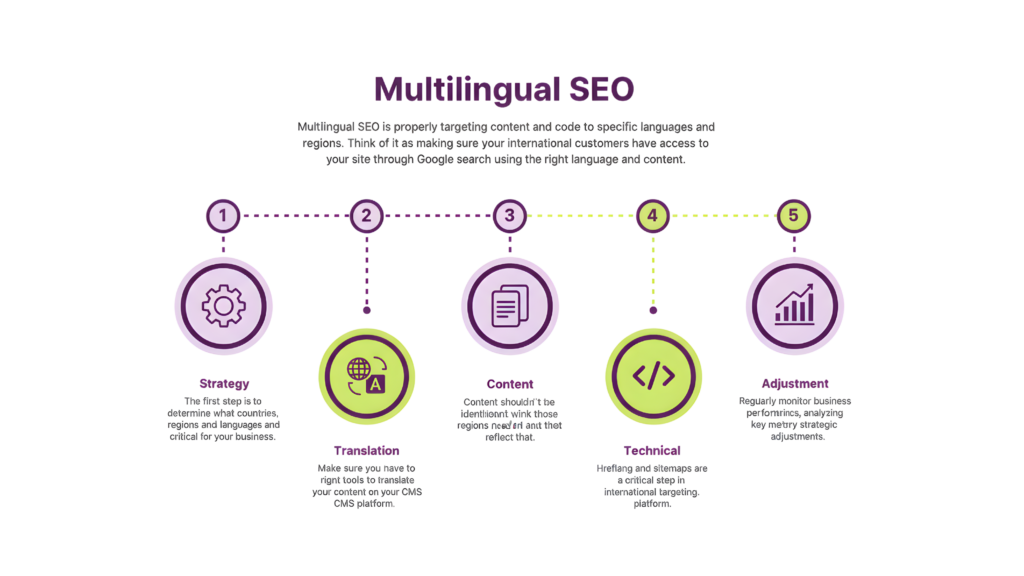
Multilingual SEO is way beyond simple translation—it creates culturally relevant content that lines up with local searcher intent. Technical elements like hreflang attributes and schema markup help search engines understand which language and geographical region each page targets. These elements help search engines know your content’s intended audience and improve visibility in multicultural markets.
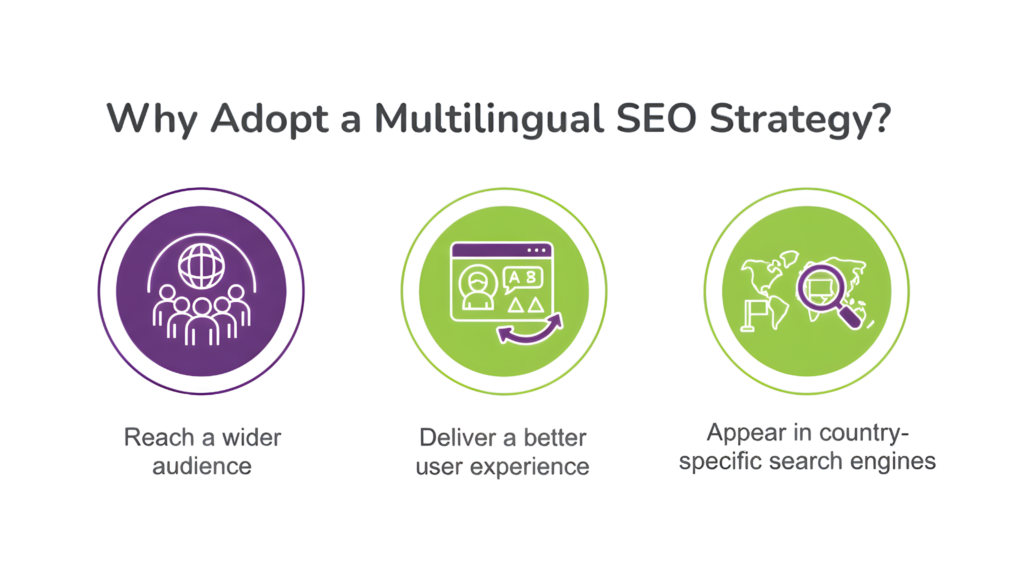
Businesses targeting multicultural US markets should use proper hreflang tags. These tags direct traffic to language-specific websites that cater to visitors who prefer their native language. Search engines might see similar content across languages as duplicate content without these technical components. This could hurt your rankings.
Schema markup with proper business information sends clear location signals to search engines. This helps because buying multiple domains and hosting websites in different countries can be expensive. Schema markup is a budget-friendly way to improve local visibility across multicultural markets.
The quality of your text translation and localization determines your SEO performance and website results. Remember that good multilingual SEO needs constant attention. You must ensure accurate keyword targeting and keep technical configurations in sync with localized content.
Step 1: Identify and Segment Your Multicultural Audience
Successful multicultural SEO starts with knowing exactly who your audience is. You need a deep grasp of both demographics and cultural behaviors that shape how different ethnic groups search online. Let’s learn about building a strong foundation for your multilingual local SEO strategy.
Use Demographic And Location Data
Demographics are the lifeblood of multicultural audience identification. Start by gathering key data about your current customers – their age, gender, income, education, occupation, and family status. Research shows millennials think about experiences more than possessions. Gen Z looks to social media recommendations and what influencers say. These generational differences shape how your audience looks for local services.

Location matters just as much when you’re identifying multicultural audiences. Look beyond basic location targeting and think about how climate, culture, language, and population density change search behavior. People who live in the same area often share needs, mindsets, and priorities that affect their online searches. Some regions’ searches for “SEO services” usually add location details, while others don’t.
Regional language differences need special attention. Northeast US residents search for “sneakers,” while people in the South look for “tennis shoes.” The Northeast searches for “soda,” but the Midwest wants “pop”. These small differences change your keyword mapping strategy and visibility a lot.
Understand Cultural Behaviors And Search Habits
Culture shapes search behavior more than most businesses know. Multicultural audiences usually fall into two societal types, and each needs a different approach:
- Individualistic societies love uniqueness and breakthroughs. They care more about price than quality, follow trends, and don’t stick to brands. Price-related and trending keywords work best here.
- Collectivist societies really research before buying and take user opinions seriously. They value testimonials. Long-tail keywords and question-form searches work better for them.
Being culturally sensitive in your ethnic audience targeting means understanding how local customs, religious beliefs, and social norms change consumer behavior. Research local holidays, festivals, and important events before creating content. These create timely chances for relevant local material.
Remember not to oversimplify cultural differences. Search behavior changes between languages and within the same language across regions. This includes how people use singular vs. plural words, which verb tenses they prefer, and what content they want when making buying decisions.
Tools To Analyze Ethnic Audience Targeting
These powerful tools can give you useful insights for multicultural audience segmentation:
Google Analytics shows important demographic breakdowns – age, gender, location, and interests. This helps you see if your current visitors match your ideal multicultural customer profile. GA4 lets you track multicultural segments in more detail.

Tools like SimilarWeb, Demographics.io, and KWFinder help find location-specific long-tail search terms. Combined with GWI, Resonate, and Brandwatch, you can build deeper audience profiles based on psychographic and behavioral data.
A detailed analysis of these data points creates a strong foundation for your next vital step: building a cultural keyword mapping strategy that fits your multicultural audience segments.
Step 2: Build a Cultural Keyword Mapping Strategy
Your next significant step after identifying multicultural audience segments is to build a tailored keyword strategy that strikes a chord with each cultural group. The right keywords help you connect with diverse audiences in the US multicultural world.
What is Cultural Keyword Mapping?
Cultural keyword mapping takes keyword research further by looking at how cultural backgrounds shape search behavior. This specialized approach identifies and groups keywords based on cultural nuances, regional dialects, and language priorities that differ among ethnic groups.
Standard keyword research falls short because search habits change based on cultural context, even within the same language. To name just one example, in India, Hindi internet users are projected to outnumber English-speaking users, with Hindi, Marathi, and Bengali users making up 75% of Indians browsing online by 2026. This shows how cultural differences shape search behavior.
The process includes:
- Analysis of cultural archetypes’ influence on search behavior
- Finding locally preferred terms for products/services
- Learning about seasonal search changes tied to cultural events
- Understanding regional language priorities and dialects
Cultural keyword mapping helps you learn about how different communities notice your brand and services. This knowledge gives you an edge in markets others might miss.
How To Research Local Dialect Search Trends
Learning about dialect search trends needs sophisticated tools and methods to capture regional language variations. Google Trends stands out as a powerful instrument because it shows how different regions search for the same terms and tracks changes over time.
Here’s how to study dialect search patterns:
- Set your keyword research tools to specific locations to understand regional priorities. Americans search for “apartments” while British users look for “flats”. Simple translations miss these differences.
- See how holidays and cultural events change search behaviors in different communities. Middle Eastern markets show more searches for specific foods and festivities during Ramadan. Italian search patterns change for at least a month after the Festival di Sanremo.
- Employ search data normalized by Google Trends. This system divides each data point by total searches in that area to compare relative popularity across regions. This method reveals true search interest, whatever the population size.
Avoiding Translation Pitfalls In Multilingual SEO
Direct keyword translation often wastes resources and misses opportunities. Many people make the mistake of translating keywords without thinking about cultural context – keywords that rank well in one language rarely perform the same way in another.
Here’s how to avoid these pitfalls:
- Skip literal translations of keywords. “Coche” means “car” in Spain but “baby stroller” in most Latin American countries. These nuances can change your visibility in multicultural markets.
- Team up with native speakers who know cultural subtleties. Policy Bazaar found relevant Hindi keywords like health insurance and life insurance plan. This led to 18% lower cost per lead and 4% more incremental leads.
- Use proper technical SEO elements like hreflang tags to avoid duplicate content issues. Google supports websites that use hreflang correctly to show relationships between different language versions.
- Create localized landing pages that match cultural priorities. RummyCircle made separate local-language messages for different Indian states. This resulted in a 22% lower cost per acquisition for Telugu ads and a 36% lower cost for Hindi campaigns.
Remember that effective local SEO services include these nuances to create truly relevant content for multicultural audiences instead of just translating existing material.
Step 3: Optimize Your Website for Local and Cultural Relevance
Your cultural keyword mapping should lead to a website that speaks to different cultures. This technical optimization connects your strategy to actual visibility in multicultural markets.
Create Culturally Relevant Landing Pages
Landing pages that appeal to diverse audiences need more than translation—they need true cultural adaptation. Research shows that culturally relevant content creates emotional connections with users. This improves conversion rates and builds brand loyalty. Here’s how to build effective multicultural landing pages:

Your visual elements should line up with cultural priorities. Colors mean different things in different cultures—red brings luck in China but signals danger elsewhere. Your imagery should show people, landmarks, and settings your target audience knows well.
Cultural communication styles should guide your content structure. Some cultures like direct, concise messages. Others value context and relationship-building content. This basic difference shapes everything from headlines to where you place calls-to-action.
Local payment options and trust indicators that appeal to specific ethnic groups make a difference. These simple additions improve user trust and boost conversion rates.
Use Hreflang And Schema For Multilingual Targeting
Search engines need proper technical signals to show users the right language version. Hreflang tags tell Google about your content variations so users see the right language. Here’s how to set up hreflang:
- Place tags in the <head> section of your HTML or in your XML sitemap
- Each language version must list itself and all other language versions
- Use fully-qualified URLs, including the transport method (http/https)
- Add an x-default value as a fallback for unmatched languages
On top of that, schema markup with the inLanguage property helps target languages better. This technical base prevents duplicate content issues and delivers the right content to the right audience.
Ensure Mobile-Friendliness And Fast Load Times
Mobile searches now beat desktop searches, especially for local queries. Local intent drives 56% of mobile searches. This makes mobile optimization vital for multicultural SEO.

Load speed affects rankings and user experience directly. Bounce rates jump to 32% when load time goes from one to three seconds. At five seconds, they reach 38%. Speed matters even more for multicultural audiences using different devices and connections.
These steps improve performance:
- Compress and resize images while maintaining quality
- Minimize CSS, JavaScript, and HTML by removing unnecessary characters
- Use a content delivery network (CDN) to serve content from locations nearest to users
- Enable browser caching to speed up repeat visits
Note that 40% of users abandon websites that take more than three seconds to load. These technical improvements are the foundations that help your cultural and language customizations work better.
Step 4: Leverage Local Listings and Reviews Strategically
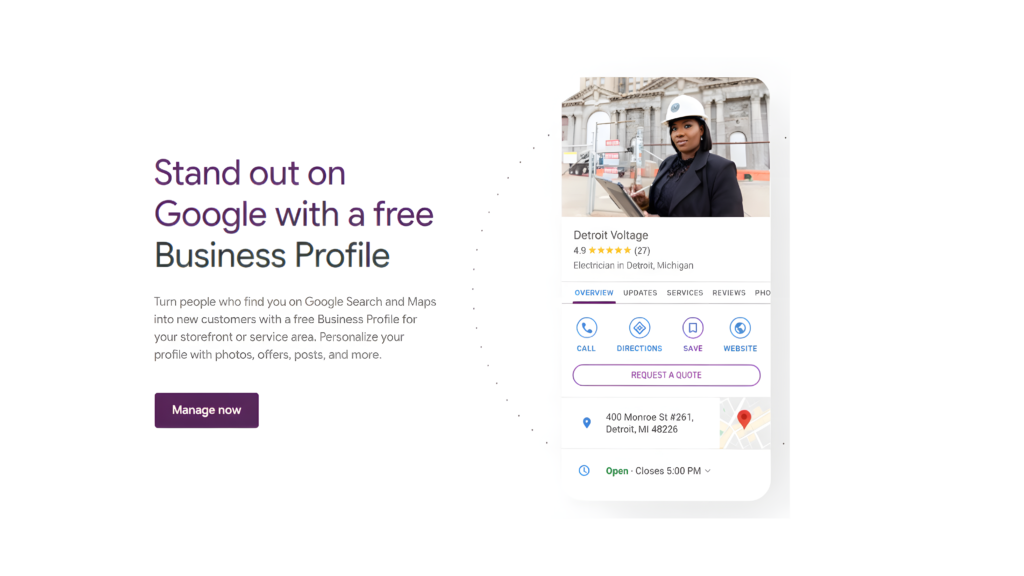
Your digital presence management on review platforms affects your visibility in various communities. Research shows 61% of consumers use business information sites to find new local establishments. Well-optimized listings are the foundations of success in multicultural markets.
Claim and Optimize Google Business Profiles
Google Business Profile stands as the cornerstone of multicultural local SEO. Business details must remain consistent across platforms – this includes your Name, Address, and Phone (NAP). Search engines and potential customers get confused by inconsistent information. This damages your brand’s credibility and weakens local search rankings.
Your profile optimization should include:
- The most specific business category that matches your core offerings
- All available fields, including business hours and special attributes
- High-quality images that resonate with your target cultures
- Regular updates reflecting operational changes
Note that 62% of consumers avoid businesses with incorrect online information. Accuracy builds trust in multicultural markets.
Encourage Reviews In Multiple Languages
Your visibility in different language searches depends on review diversity. About 89% of consumers expect business owners to respond to every review. This makes multilingual participation crucial.
A balanced multilingual review strategy should:
Send follow-up requests in your customer’s preferred language instead of defaulting to English. Review links with proper language settings help customers respond in their native languages.
Show cultural respect by responding in the review’s original language. This signals your relevance to those communities to search engines. Add translated snippets where appropriate to reach broader audiences.
Use Local Citations That Reflect Cultural Relevance
Citations work like digital breadcrumbs that guide algorithms and potential customers to your business. These must appear on platforms that your specific cultural audiences value.
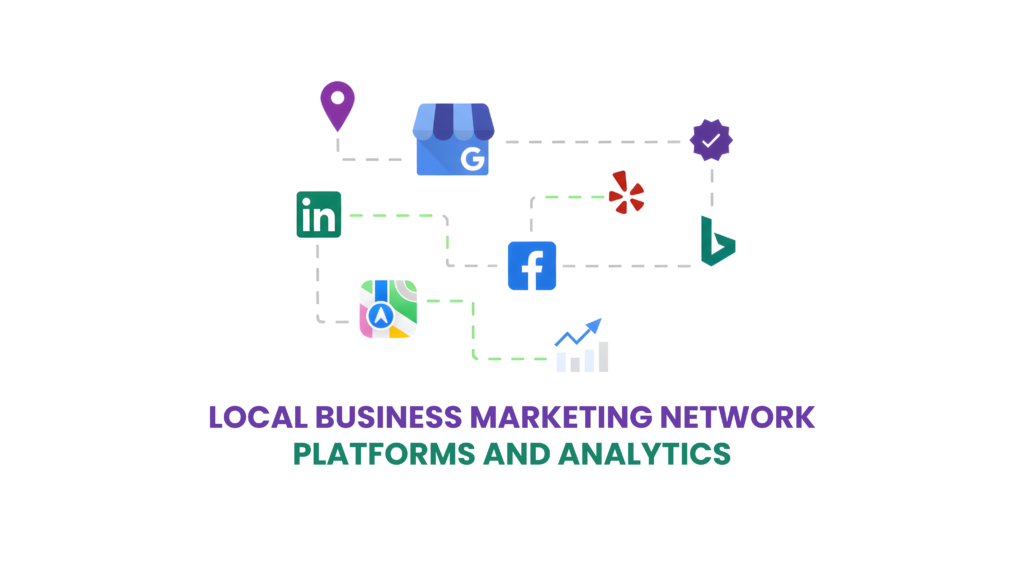
Your target ethnic communities need citations in directories they trust. Google sees consistent citations as proof of authenticity. Culturally specific platforms help you reach audiences that mainstream directories might miss.
Track all language variations of your business name. Regular audits help spot and fix inconsistencies before they hurt your rankings.
Step 5: Track Performance and Adapt to Google’s Latest SEO Updates
Your success in multicultural SEO depends on how well you track performance metrics and keep up with search algorithm changes. The right measurements are the foundations of smart optimization decisions.
Monitor Local Rankings By Language And Region
You just need specialized tools to track performance in different languages. Rank tracking software that monitors specific locations helps you understand your website’s performance for different linguistic communities. The best approach starts with tracking rankings at both the country and city levels. This gives you accurate local performance data.
Many businesses don’t track rankings based on language priorities. They miss out on vital insights about multicultural visibility. To name just one example, see how local ranking changes can vary between language segments in the same area. When you check ranks regularly with language settings turned on, you get the full picture of your multicultural reach.
Use GSC and GA4 To Track Multicultural Segments
Google Search Console (GSC) explains language-specific search patterns. You can filter GSC’s performance reports by country and language to see how different cultural groups find and interact with your content.
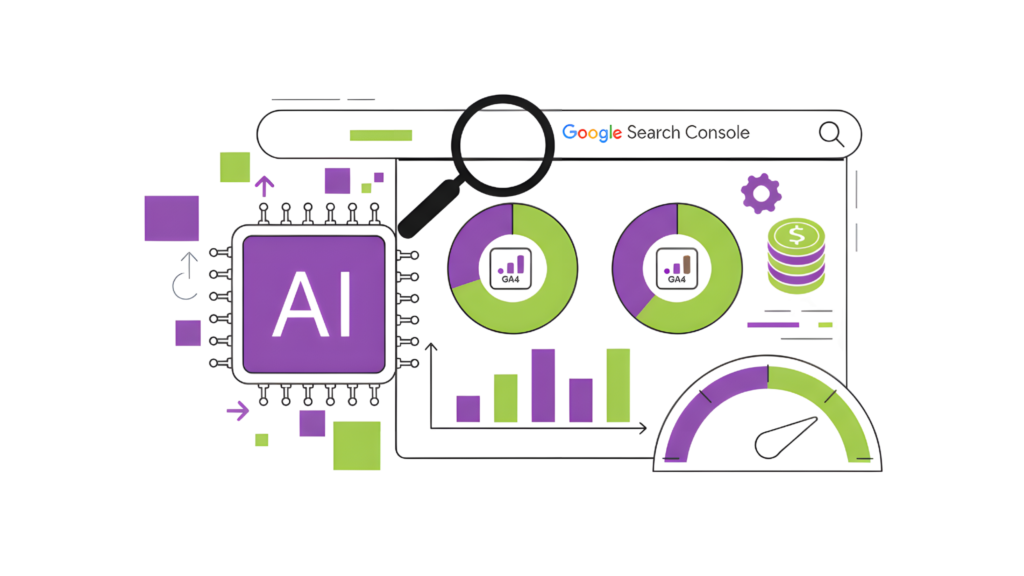
GA4 lets you create specific audience segments based on language priorities and locations. These tools work best when you:
- Create custom GA4 segments for each cultural audience
- Look at conversion rates across language groups
- Find content gaps through GSC impression data
- Watch keyword performance by language
Adapt To Google’s Latest Update In SEO
Google’s recent changes put user experience and content relevance first. The search engine now values mobile-friendliness, page load speed, and expert content differently across cultural contexts.
Each algorithm update affects multilingual content in unique ways. Search engines now understand language nuances better than ever. Your strategy should go beyond basic translations and focus on true cultural adaptation.
Why Choose Rankfast for Local SEO Services
Rankfast stands out as a revolutionary force at the time businesses need a partner for multicultural market expansion. Their specialized approach extends beyond conventional SEO tactics to deliver results across America’s diverse cultural markets.
Expertise In Multicultural And Multilingual SEO
Rankfast helps optimize websites to support multiple languages. This allows visitors to participate in their preferred language. Their team gains a comprehensive understanding of each target market, identifying opportunities and challenges that are unique to specific regions.
They create more engaging interactions that boost conversion rates by tailoring experiences for different cultural audiences. This customized approach to multilingual SEO helps your content reach and genuinely connect with communities of all types.
Proven Results In Diverse US Markets
The results speak for themselves. Rankfast helped one education client achieve over 100 keyword rankings on Google SERP, with all but one of these keywords in the top 10 results. Their all-encompassing approach has complete audits of all digital channels. This identifies gaps and opportunities specific to various cultural segments. Most business clients see meaningful improvements within the first 30 days. Their expertise spans hotels, real estate, and financial services, showing adaptability in different market segments.
Transparent Reporting And Tailored Strategies
Rankfast distinguishes itself through its steadfast dedication to transparent reporting with measurable ROI. The core team assesses results, analyzes performance data, and refines strategies to maximize return on investment after implementation. Their technical expertise includes proper implementation of multilingual SEO elements like hreflang tags and schema markup. This ensures your business appears in relevant searches across cultural boundaries.
Conclusion
Local SEO for multicultural US markets needs a complete approach that goes way beyond simple optimization techniques. This piece shows how cultural diversity shapes search behavior and needs specialized strategies to work well.
Success in multicultural SEO needs constant adaptation. Google keeps refining its algorithms to understand language nuances and cultural relevance better, so your approach must evolve too. Businesses that treat multicultural SEO as an ongoing dedication to cultural understanding will succeed.
Want to reshape your multicultural SEO strategy? The team at Rankfast creates custom SEO solutions to help you connect with diverse audiences in the US market. Begin your journey to multicultural SEO excellence today and see your business grow beyond cultural boundaries.
FAQs
Q1. How does multicultural SEO differ from traditional SEO?
Multicultural SEO considers cultural nuances, language variations, and regional search behaviors. It involves tailoring content and keywords to specific ethnic groups, understanding local dialects, and implementing technical elements like hreflang tags for proper language targeting.
Q2. What are some key strategies for targeting multicultural audiences in local SEO?
Key strategies include segmenting your audience based on demographics and cultural behaviors, creating culturally relevant landing pages, optimizing Google Business Profiles for different languages, and encouraging reviews in multiple languages.
Q3. How important is mobile optimization for multicultural SEO?
Mobile optimization is crucial for multicultural SEO, as a significant portion of local searches occur on mobile devices. Ensuring fast load times and a mobile-friendly design is essential, especially when targeting diverse audiences with varying internet speeds and device preferences.
Q4. What role do reviews play in multicultural local SEO?
Reviews in multiple languages significantly impact visibility across different language searches. Encouraging and responding to reviews in the customer’s preferred language demonstrates cultural respect and signals relevance to search engines for those communities.
Q5. How can businesses track their performance in multicultural SEO?
Businesses can track multicultural SEO performance by monitoring local rankings by language and region, using Google Search Console and Google Analytics 4 to track language-specific segments, and staying updated with Google’s latest algorithm changes that may affect multilingual content differently.
Leave a Reply