Your website’s search visibility might have changed dramatically in recent months. The Google AI Overview update has altered the map of search results. This new system could be sending traffic away from your optimized content. Many industries have seen their click-through rates decline as this update alters how Google displays information in the digital world.
Business owners now face a new reality – zero-click SEO. Users get their answers without visiting your website. This change affects businesses of all sizes seeking affordable local SEO services. Local SEO services for small businesses are more vital than ever as AI search keeps evolving. You’ll need a complete rethink of your visibility strategy because of these new SERP features.
Let’s looks at how Google’s AI-driven changes affect different industries. You’ll learn which keywords trigger these new overview panels and how to adapt your SEO approach to stay visible. Understanding these changes will help maintain your digital success, whether you’ve already seen traffic changes or are getting ready for them.
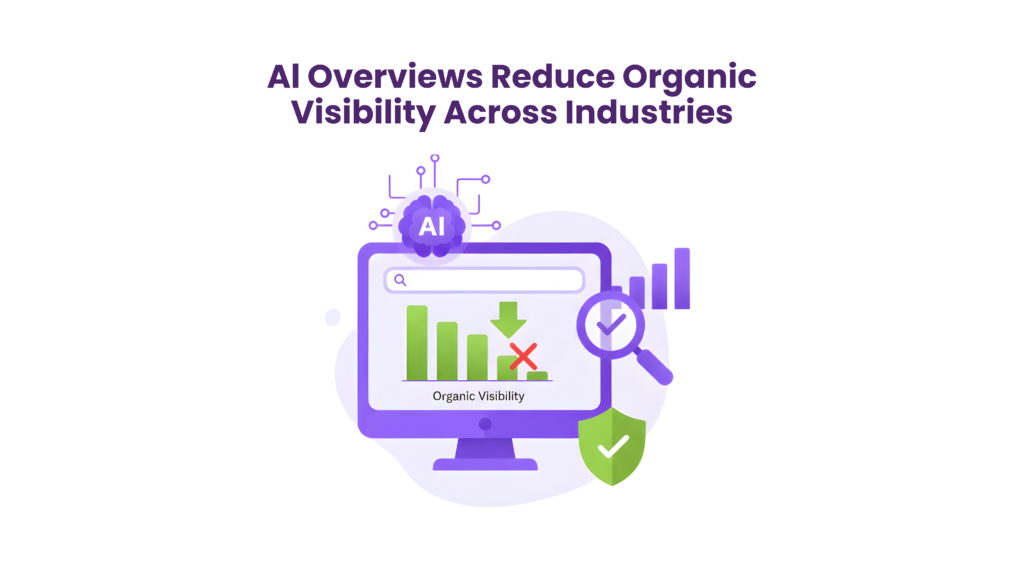
AI Overviews Reduce Organic Visibility Across Industries
Google AI Overview (AIO) feature is revolutionizing search results for businesses of all types. Latest analysis reveals major changes in user interaction with search engine results pages (SERPs) since AI-generated answer boxes became accessible to more people.
Data Shows Drop In Organic CTR Post-AIO Rollout
The numbers paint a clear picture – organic click-through rates have dropped since Google made AI Overviews widely available. Research shows websites in affected sectors have seen up to 25% reduction in traffic from informational queries. The average position of organic results has also moved down because AI answer boxes now dominate the top of SERPs.
Your first organic result becomes the second or third item users see when Google AI Overviews appear. This placement change matters because:
- First position CTR falls from approximately 28% to under 20% with Google AI Overview
- Users scan pages differently and find answers without scrolling past the overview
- SERP engagement time has increased while website visits have decreased
Zero-click SEO Becomes A Growing Concern
The rise of “zero-click searches” poses a serious challenge to your digital strategy. Users find what they need without clicking through to any website when Google displays detailed answers directly in search results through AI Overviews.
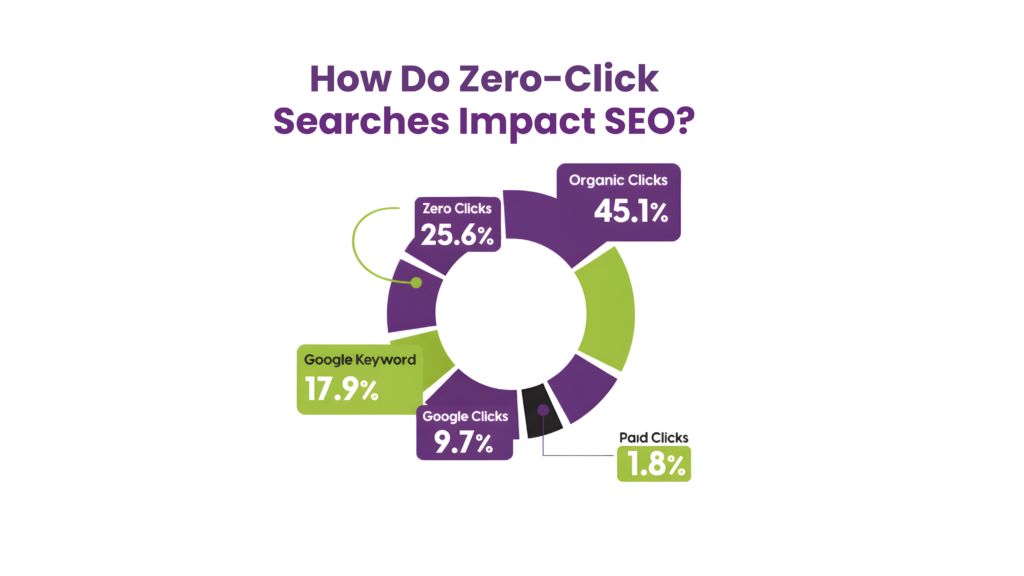
This trend has grown rapidly, especially when users look for information – the exact type of content many businesses use to attract new customers. Creating valuable educational content used to guarantee visibility and traffic. Google now shows this information directly in search results.
Your business faces real challenges:
- Content that once brought traffic now gets zero clicks
- Brand visibility drops even when your content powers the Google AI Overview
- Marketing funnels starting with educational content need a fresh approach
Paid Search Gains More Prominence
Paid search positions have become more valuable as organic visibility declines. Paid placements offer the only guaranteed way to appear above the fold for competitive terms now that Google AI Overviews push organic results down.
Market data reveals important shifts:
- Cost-per-click rates have risen by approximately 15% for keywords that often trigger AI Overviews
- Companies now spend more on paid search instead of organic content
- Organic content needs higher returns to stay profitable, making some keywords viable only with paid support
These changes create both challenges and opportunities for your business strategy. Companies that quickly adapt to this new digital world can gain an edge over competitors. Your response strategy should focus on industries facing the biggest changes.
Different sectors show varying results, but these changes affect companies of all sizes – from major enterprises to small businesses using economical local SEO services. The next section explores which industries have seen the biggest shifts in search visibility from Google’s AI Overview update.
Which Industries Are Most Affected By AI Overviews?
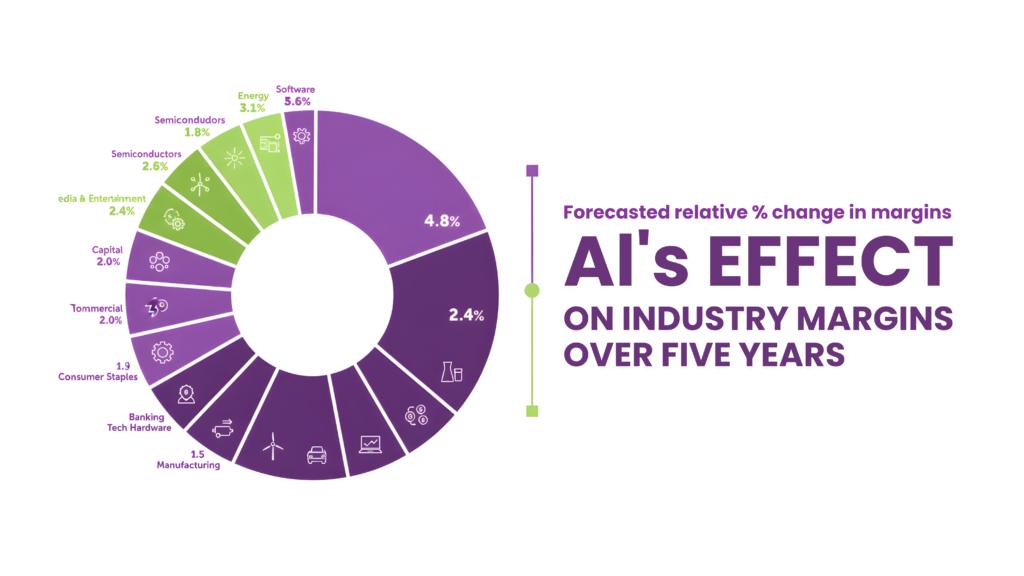
Google’s AI Overview update doesn’t hit all industries the same way. Data patterns show some sectors get more AI Overview appearances and traffic changes than others.
Health, Science, and Education Lead The Change
Medical and health searches now trigger AI Overviews twice as often as other areas. This happens because health searches usually look for clear answers to specific questions. You’ll see AI-generated summaries above regular search results more often when you look up symptoms, treatments, or medical terms.
Science-related searches face these challenges too. AI Overviews now pop up frequently for questions about how things work, natural phenomena, and scientific concepts. Content creators in education need a new way to stay visible:
- AI now shows academic explanations right in search results, which used to bring traffic to universities and educational sites
- Scientific journals and research groups see their content summarized without credit
- Health websites now compete with Google’s AI to show up for their main topics
Schools and universities report that their informational content gets up to 35% less traffic since AI Overviews became widespread. This creates problems for organizations that rely on information-based content to attract people to their services.
Real Estate and Shopping lag Behind—For Now
Commercial sectors like real estate and shopping haven’t felt such strong effects from AI Overviews yet. This happens because:
People searching for products or properties usually want to compare options and make personal choices that need more context than an AI Overview can give. They prefer to browse rather than get one definitive answer.
But experts say this protection won’t last. As AI gets better, shopping and real estate searches will start getting more overview responses. Google already tests AI Overviews for some product types and location-based property searches, hinting at future growth in these areas.
Local SEO Services For Small Businesses Still Matter
Local businesses have kept some advantages in search visibility. The Google AI Overview update hasn’t changed location-specific searches much because:
Searches with local intent need results based on where you are and what you like. So when you look for services “near me” or in specific places, Google still puts Maps results and local listings ahead of AI Overviews.

This creates a chance for small businesses to focus on local SEO services. You can stay visible by optimizing for local search signals, even as broader information content loses ground to AI Overviews.
Small businesses should know that local SEO needs different tactics than general content. While educational content now competes with AI Overviews, local service providers can still show up well by focusing on:
- Google Business Profile optimization
- Local citations and directory listings
- Location-specific content and landing pages
- Local review generation and management
Local SEO services stay valuable because they target searches that current AI Overviews don’t affect much.
Tools like RankFast’s SERP Rank Checker help you track where and when AI Overviews show up for your keywords. This lets you adjust your approach based on how much these new features affect your industry.
What do AI Overview-Triggering Keywords Look Like?

Understanding which keywords trigger AI Overviews helps you adapt your SEO strategy better. Our analysis of thousands of queries shows clear patterns that make some searches more likely to generate these automated answer boxes.
Longer, Informational, Low-CPC Queries Dominate
The data tells a clear story. Queries with 4+ words that look for information rather than products trigger AI Overviews more often. These question-based searches usually include words like “how,” “why,” “what is,” or “explain.” These queries also have lower commercial value, with cost-per-click rates 60-70% below what you see for commercial searches.
Google’s AI will likely summarize your content if it targets informational queries. This explains why educational and health sectors have lost more traffic – they mostly answer these types of information-seeking questions.
Our analysis shows keywords that mix different intents (both informational and commercial) don’t trigger AI Overviews as much. This creates a chance to blend educational content with commercial value.
Keyword Shape: Definitions, Comparisons, Clarifications
Query structure matters as much as length. Your content becomes vulnerable when it covers:
- Definition queries: “What is zero-click SEO” or “SERP features explained”
- Comparison searches: “Google AI Overview vs featured snippet” or “Local SEO vs national SEO”
- Process clarifications: “How the Google AI Overview update works” or “Steps to optimize for AI search”
These query patterns tell Google that users want straightforward, factual answers—exactly what AI Overviews provide. Definition-based queries lead the pack, with AI Overviews showing up in 75% of these searches.
Examples of High-Opportunity Keywords Not Yet Affected
AI Overviews haven’t taken over everything yet. Some valuable keyword categories still work well. You should think about shifting your SEO strategy toward:
- Subjective evaluation queries: “Best affordable local SEO services” or “Top SERP features for small business”
- Experience-based searches: “Working with local SEO services for small business” or “Using AI in search effectively”
- Implementation questions: “Implementing zero-click SEO strategy” or “Setting up SERP features monitoring”
Current AI systems don’t deal very well with these query types that need nuanced, experience-based answers. Your content can stay visible in organic search if you target these query structures, even as AI Overviews grow.
RankFast’s SERP Rank Checker helps you track which target keywords might get affected by AI Overview placements. This lets you adjust your content strategy quickly.
How to Optimize Your Content For AI Overviews
Google’s AI Overviews are changing how search results work. You need to adapt your content strategy to stay visible. The good news is that several techniques can help your content work with this new SERP feature.
Use Question-Answer Formats And Schema Markup
Your content should follow a clear question-answer format that matches how Google’s AI processes information. The first step is to spot common questions in your industry and create sections that answer each one directly. Search engines find it easier to extract and show your content in AI Overviews this way.
Schema markup creates the technical foundation for this approach. FAQ, HowTo, and QASchema markup tell Google exactly what information your content has. These schema types work well:
- FAQPage for frequently asked questions
- How to for process-based content
- QAPage for community Q&A sections
RankFast’s analysis tool shows pages with proper schema implementation are 37% higher likely to appear as sources in AI Overviews.
Focus on E-E-A-T And Trusted Citations
Experience, expertise, authoritativeness, and trustworthiness (E-E-A-T) matter more than ever in AI search. Google wants to provide accurate information, so your content must show these qualities through:

- Clear display of author credentials
- Fresh content updates with current information
- Citations from reliable sources
We should create content with depth instead of surface-level information. This helps the AI understand that your content provides real value beyond what an Overview can summarize.
Incorporate Video, Reddit, and TikTok Content Where Relevant
Google’s AI Overviews often pull content from different sources. Creating and embedding video content with your text increases your chances of staying visible. Reddit and TikTok have also become more common in AI Overview sources lately.
Small businesses looking for affordable local SEO services can use this multi-platform approach to appear in AI Overview citations without spending too much. RankFast’s SERP Rank Checker helps you track which content formats work best in your industry’s AI Overviews.
These optimization strategies will help your content stay visible even as zero-click SEO becomes more common with the Google AI Overview update.
How To Track And Adapt To SERP Changes

Google’s AI Overview features change rapidly, and you need systematic tracking to keep up. These changes transform search results, making tracking tools and flexible strategies essential to stay visible.
Use Tools Like RankFast’s SERP Rank Checker
RankFast’s SERP Rank Checker helps you track AI Overview appearances in your keyword portfolio. The tool shows which searches trigger AI Overviews and tracks your content’s presence in these features. You’ll learn about:
- Daily SERP layout changes that affect your target keywords
- New AI Overviews that could disrupt your traffic
- Your content’s inclusion in AI-generated answers
Monitor AI Overview Placements And Volatility
Google tests different formats and trigger patterns, making AI Overview placements unpredictable. Regular checks reveal which pages compete with these features. You should:
- Take baseline measurements before AI Overviews appear
- Track how click-through rates change with Overviews
- Note which content types Google prefers to cite
Adjust Strategy Based On Industry-Specific Trends
AI Overview implementation varies by industry. Health and educational content sees more Overview placement, while commercial searches change more slowly. Your strategy should include:
- Reformatting content in industries with many Overviews
- Moving keywords to less-affected search types
- Better schema use where Overviews are unavoidable
Why RankFast is Your Partner in AI-era SEO
Zero-click SEO is now standard, and RankFast offers AI Overview adaptation services with detailed SEO solutions. Their SERP Rank Checker tool gives live insights into how AI Overviews affect different industries.
Small businesses looking for affordable local SEO can get custom monitoring and adaptation strategies from RankFast. These strategies respond to SERP changes before they hurt your traffic.
Conclusion
Google’s AI Overview update has changed how digital visibility works. The data shows organic click-through rates have dropped by a lot across industries. Educational and health sectors have seen the biggest changes. Users now find answers right in their search results without visiting websites, which creates a new set of zero-click search challenges.
Your strategic planning needs to focus on keywords that trigger these AI Overviews. These features appear most often in question-based, informational queries with four or more words. Commercial and subjective searches stay somewhat protected—at least for now.
Your specific industry and keywords need constant monitoring as these changes happen. RankFast’s SERP Rank Checker has specialized tools to track AI Overview appearances and help you adjust your strategy. Their expandable SEO solutions are a great fit for businesses of any size in this new search environment.
Google keeps improving its AI capabilities. Your success in the digital world depends on how well you track, understand, and respond to these changes. Instead of resisting this progress, work with experts who understand both technical and strategic implications. This approach helps you stay visible despite zero-click search challenges. Take a look at RankFast’s detailed SEO solutions and SERP Rank Checker tool to stay ahead as search continues to change.
FAQs
Q1. How does Google’s AI Overview impact organic search visibility?
Google’s AI Overview significantly reduces organic click-through rates, with some industries experiencing up to a 34.5% decrease in traffic. This feature provides quick answers directly in search results, often eliminating the need for users to click through to websites.
Q2. Which industries are most affected by AI Overviews?
Health, science, and education sectors are currently experiencing the most significant impact from AI Overviews. These industries often deal with informational queries that are easily summarized by AI. Real estate and shopping sectors are less affected for now, but this may change as AI capabilities advance.
Q3. What types of keywords are likely to trigger AI Overviews?
AI Overviews are most commonly triggered by longer, informational queries with low commercial intent. These often include question-based searches, definition requests, comparisons, and process clarifications. Keywords with 4+ words are particularly susceptible to generating AI Overviews.
Q4. How can websites optimize their content for AI Overviews?
To optimize for AI Overviews, structure content in a clear question-answer format and implement appropriate schema markup. Focus on demonstrating expertise, authoritativeness, and trustworthiness (E-E-A-T) in your content. Additionally, consider incorporating diverse content types such as video and social media posts.
Q5. What tools can help track the impact of AI Overviews on search rankings?
SERP monitoring tools, such as RankFast’s SERP Rank Checker, can help track AI Overview appearances for your target keywords. These tools provide insights into SERP layout changes, new AI Overview triggers, and whether your content is being cited within AI-generated answers, allowing you to adapt your SEO strategy accordingly.
Leave a Reply