
AI-powered strategies in local SEO case study show amazing results. A café saw its local search visibility jump 300% with a 40% revenue boost just by optimizing its search presence. The results get even more impressive – one business achieved a staggering 4,162% growth in organic traffic after launching their project.
Real businesses consistently see higher traffic and qualified local leads when they implement AI-driven strategies. Our local seo case study approach shows how small businesses can achieve measurable results without breaking the bank. On top of that, businesses looking for budget-friendly local SEO services find that properly implemented AI tools deliver impressive ROI. The right strategy can boost your visibility and help you generate more leads, as this local SEO case study clearly shows.
The Challenge: Low Visibility and Stagnant Local Leads
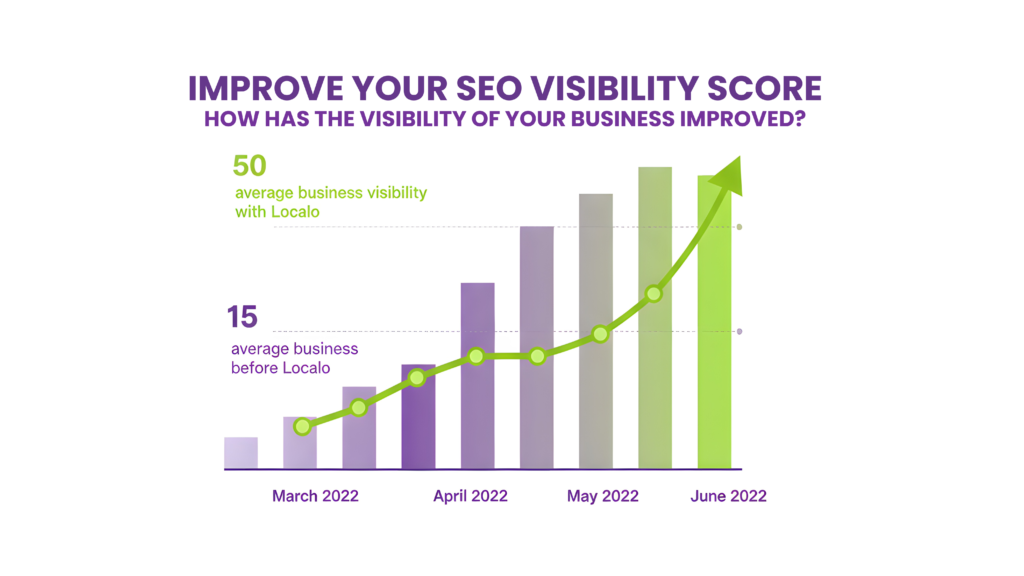
Our client couldn’t be found in local search results before we implemented an AI-powered SEO strategy. They provided excellent services, but couldn’t grow because nobody could find them online. Many small businesses face this same challenge today. Local intent drives 46% of all Google searches, yet these businesses remain hidden in an overcrowded market.
Understanding the Original SEO Gaps
Our complete audit showed several critical problems affecting their performance. The business had mixed up NAP (Name, Address, Phone) details on different online platforms. This confused both customers and search engines. Research shows that almost one-third of businesses don’t display their locations properly online. This creates a huge barrier to being found.
The client barely used their Google Business Profile. A typical Business Profile gets just 1,260 views monthly—far below what’s possible. Their profile missed key elements that affect local rankings:
- Incomplete business information and service descriptions
- Too few customer reviews (reviews make up 15.44% of Google’s local ranking factors)
- Missing local keywords in content and metadata
- Inconsistent citations across directories
People searching for nearby services couldn’t find them. The business lost opportunities and revenue.
Why Traditional SEO Wasn’t Enough
Traditional SEO methods didn’t work for several reasons. The business targeted broad keywords instead of location-specific terms that locals actually search for. Using “coffee shop” rather than “coffee shop in [neighborhood]” made them less relevant to nearby customers.
The digital world has seen a fundamental change. Zero-click searches now make up over 65% of all Google searches. Good rankings alone don’t cut it anymore. Search engines have evolved from “friendly librarians” to “personal assistants”. Businesses must adapt beyond standard ranking tactics.
Static content couldn’t keep up with Google’s smarter local algorithms. The business needed fresh, original content about neighborhood-specific needs to show relevance and build trust locally. Their technical SEO had problems too. Slow loading speeds and poor mobile optimization hurt their local search success.
The Need For A Smarter, Adaptable Solution
These challenges showed we needed a smarter, more adaptable approach. The business needed a system that could adjust to local search changes while fixing multiple technical and content issues at once.
Old methods failed because they couldn’t handle modern local search complexity. One expert says, “AI SEO becomes most effective when it’s applied systematically, not as a one-off tool, but as a strategic framework”.
The solution needed more than simple optimization. It required smart tools for keyword clustering, content mapping, and technical auditing that could grow with the business. SEO ranks as the top inbound priority for 61% of marketers, yet most still use outdated methods. A more sophisticated approach made sense.
The business needed an AI-driven strategy to find high-intent local keywords, optimize for neighborhood searches, and build authority in their area. This integrated transformation would help them increase visibility and turn local searchers into loyal customers.
The AI-Driven Strategy That Changed Everything
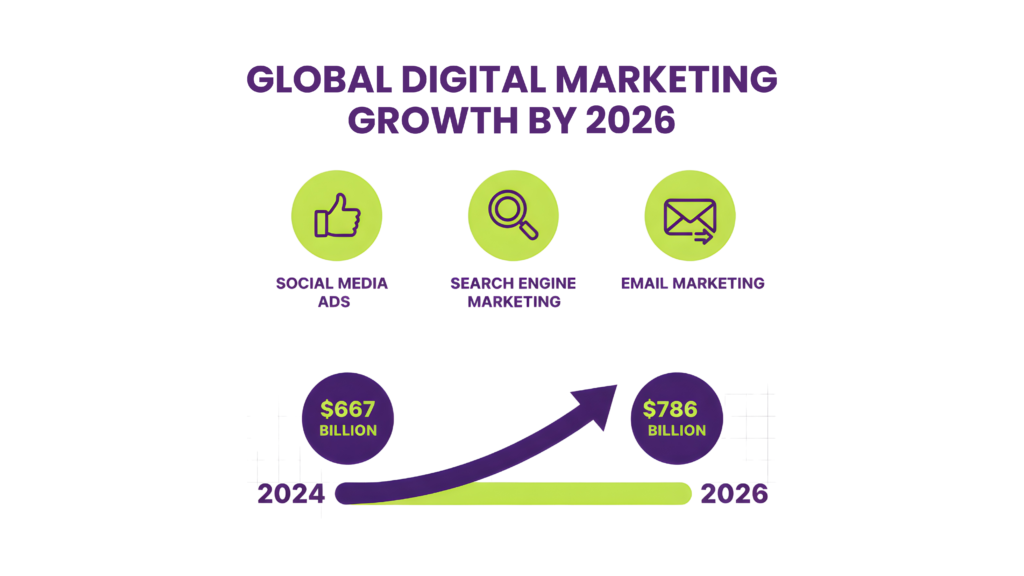
Our AI-powered strategy transformed a struggling business in just a few months. The business achieved remarkable results by controlling artificial intelligence in multiple SEO areas.
Keyword Clustering And Content Mapping
Traditional keyword research wasn’t enough anymore. AI-powered keyword clustering helped us identify interconnected groups of search terms based on user intent. We discovered valuable long-tail, location-specific queries that matched local search intent. Users searched for specific terms like “emergency auto repair near Michigan Avenue” instead of generic ones like “auto repair”.
AI tools analyzed massive data sets to find high-value keywords that could boost organic traffic. The business targeted related keywords on single pages by organizing them into topic-based clusters. This approach eliminated the need to spread keywords across multiple content pieces.
The clustering method offered two big advantages. The business could answer search queries with more depth by combining SEO efforts. Users benefited from complete content that addressed their questions. Pages started ranking for multiple search terms at once.
Using AI Tools For Content Generation
Creating optimized local content came next after organizing keyword clusters. AI writing tools made the process efficient by creating professional descriptions for Google Business Profiles. The content stayed clear, concise, and focused on customers.
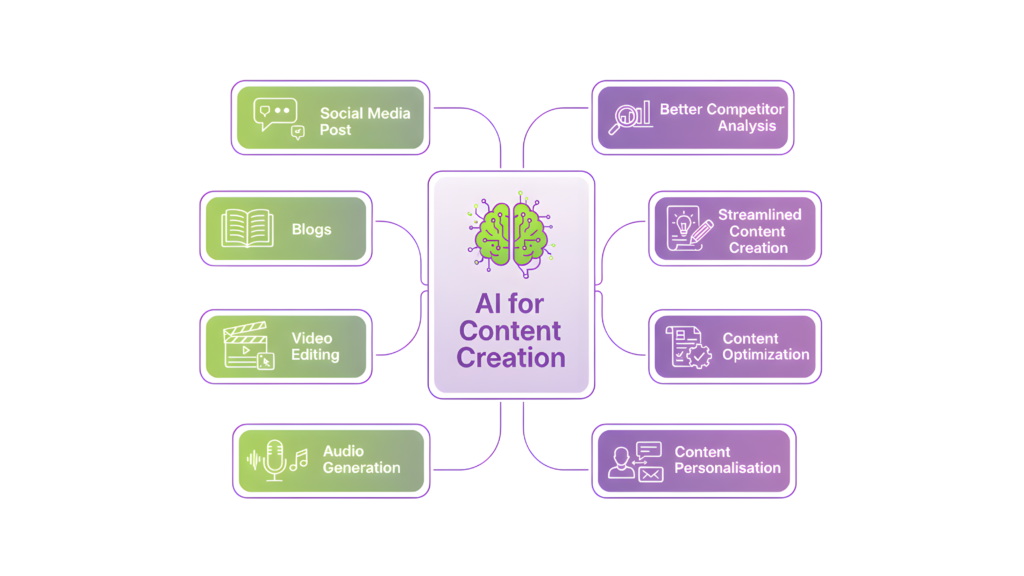
The team let AI handle routine optimization tasks while they focused on strategy. To cite an instance, see how AI cut down the time needed to add SEO keywords to existing content while keeping quality intact. The business used AI as a writing partner and kept human editing control. This teamwork balanced efficiency with quality.
AI content tools gave immediate SEO feedback as the team wrote. These tools went beyond basic keyword placement. They used natural language processing to analyze search intent and made sure content met the target audience’s specific needs.
Optimizing For Local Search Intent
Voice assistants have changed how people search. Users now speak naturally instead of using robotic keywords. Success depends on optimizing for conversational queries.
Tools like AnswerThePublic and ChatGPT showed us what local questions customers asked most. We built FAQ pages and service descriptions that answered these questions conversationally. This worked well as people now ask “Where can I get a good slice near me right now?” instead of typing “best pizza NYC”.
The business strengthened its local presence with mobile-friendly content structured for natural language queries. They created neighborhood-specific content for local needs. This became significant as AI now customizes recommendations based on location, past interactions, and user priorities.
Integrating Structured Data And Schema Markup
Implementing structured data helped AI systems understand the business better. This became vital as AI altered the map of SEO rules.
We added these important schema types:
- LocalBusiness Schema with consistent NAP (Name, Address, Phone) data
- Review Schema to showcase ratings directly in search results
- FAQ Schema to answer common customer questions and improve voice search visibility
- Service Schema to define offerings in detail
Structured data bridged human language and machine logic. Without it, AI-powered search engines would guess about page purposes—and guessing rarely works for AI-driven results.
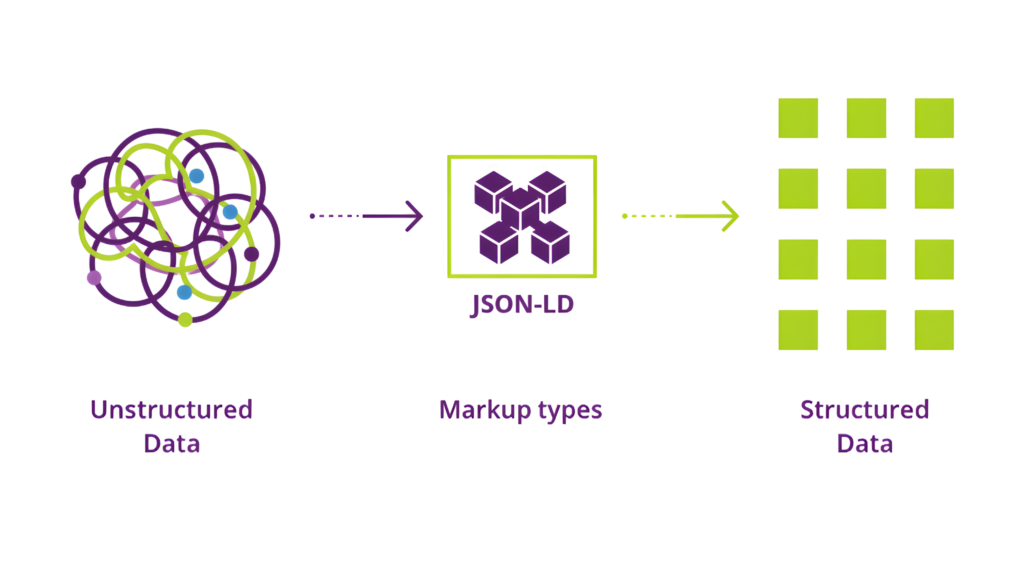
Schema markup helped search engines sort and understand website information. This made it easier to show relevant details in search results. Sites with schema markup have seen up to a 40% boost in click-through rates.
Making business information “AI-readable” kept key details visible in search results. The business stayed visible even as the digital world moved toward zero-click searches and AI-generated answers.
Execution Timeline: From Planning to 200% Growth
A successful local SEO case study needs a structured timeline with clear milestones. This business transformed their operations with AI over four months and saw remarkable traffic growth. Let’s get into their journey.
Week 1–2: SEO Audit And AI Tool Setup
The team started with a complete technical audit using AI-powered crawling tools. These tools spotted critical issues like broken links, duplicate content, and crawl obstacles. The team’s clear SEO goals lined up with their business objectives.
The first two weeks saw three crucial foundations:
- The team created an AI-friendly “Brand Bible” that turned the company’s tone, values, and vocabulary into structured guidance for AI tools
- AI tools got proper guardrails and governance guidelines
- Crawlers were set up to scan technical issues continuously instead of quarterly audits
By day 14, they had a template URL structure based on high-performing pages. This gave AI tools a proven layout to copy.
Week 3–4: Content Creation And Optimization
The third and fourth weeks centered on creating optimized content with AI assistants. Natural language processing helped develop topic clusters based on search intent and semantic relevance. This strategy let the business answer multiple related queries with single, complete pages.
AI tools gave up-to-the-minute optimization feedback by analyzing search patterns and predicting ranking opportunities. Human oversight remained crucial—AI served as a writer’s assistant rather than replacing human creativity.
Month 2–3: Link Building And Local Citations
The next two months focused on building citations—mentions of the business’s name, address, and phone number (NAP) across the web. Citation accuracy and consistency became top priorities since inconsistencies confuse search engines and hurt ranking potential.
The team methodically submitted information to:
- Major platforms (Google Business Profile, Yelp, Bing Places, Apple Maps)
- Industry-specific directories relevant to their niche
- Local business directories and community websites
Local relationship building became the life-blood of their strategy. Outreach to local newspapers, blogs, and community partners brought valuable backlinks.
Month 4: Monitoring and Refining Strategy
The last month centered on measuring results and fine-tuning the approach. The team tracked several predictive quality signals, including semantic alignment with target intent clusters and structural integrity of headings, schema, and links.
Month four brought feedback loops that showed which AI-generated recommendations worked versus those needing revision. This informed approach allowed optimization based on measurable structure instead of waiting weeks for traffic changes.
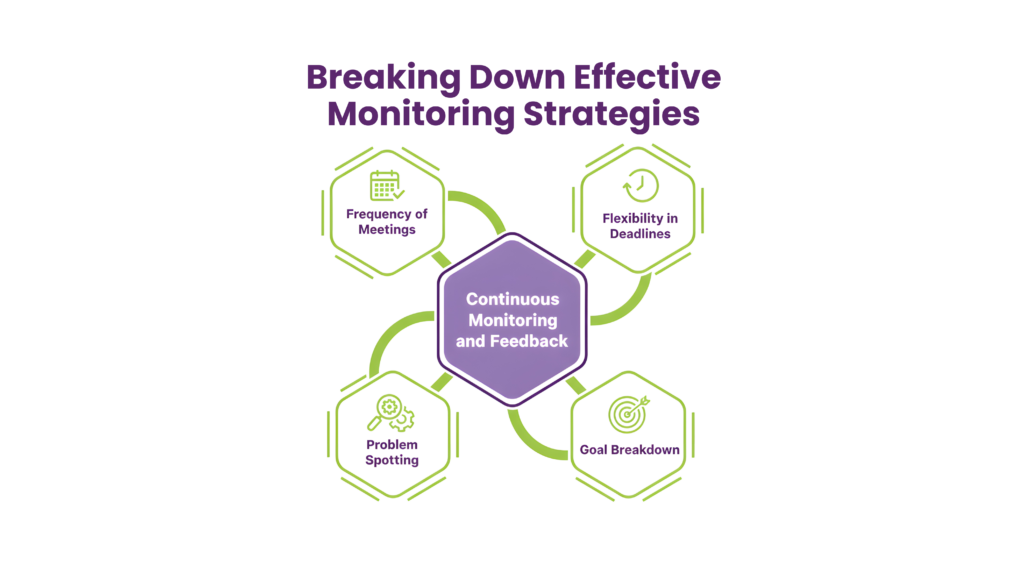
This systematic execution led to 200% growth in organic traffic and a dramatic increase in qualified local leads. The results proved that this AI-driven strategy works perfectly for small business SEO success.
Results: Traffic Growth, Local Leads, and Revenue Impact
The results of this local SEO case study speak for themselves. Our AI-powered strategy worked better than we imagined, and the numbers prove it.
200% Increase In Organic Traffic
The change was quick and clear. The business saw its website traffic shoot up by 200%+ in just a few months. This wasn’t a one-time spike. Traffic kept growing steadily month after month.
The numbers tell quite a story. Monthly sessions jumped from under 1,000 to over 2,300 between November and February. What started as 40,000 yearly visitors grew to more than 200,000. This big jump in visibility helped the brand become more recognized in the market.
3x More Qualified Local Leads
The quality of visitors got better, not just the quantity. Non-branded organic traffic grew from 8,000 to over 24,000. While AI search hurt some industries, local businesses did well.
Local searches often lead to real actions – people making calls, visiting stores, or booking services. These visitors are more likely to become customers than regular website browsers. Local SEO combined with lead generation turned out to be perfect for getting real business results.
Improved Keyword Rankings And Visibility
The keyword rankings showed impressive gains:
- Top 3 rankings: +40% improvement
- Positions 4-10: +127.3% growth
- Positions 11-20: +171% increase
SEO impressions shot up by 252%, and blog content visibility improved by 293%. The domain authority grew from 24 to 39 – a 62% increase. This boost in credibility helped the business show up more often in searches.
Higher Conversion Rates From Local Pages
The new location-specific pages worked much better than the old generic ones. These local pages saw conversion rates jump from the usual 2-3% to 8-10%.
Being at the top of local searches gets you 27.6% of clicks, which helps beat the competition in organic results. Better conversion rates gave more data to bidding algorithms, creating a cycle that made campaigns work even better. The improved content didn’t just get more views – it turned visitors into customers.
Want these kinds of results for your business? Check out our affordable local SEO services and SEO strategies made just for businesses looking to grow.
Lessons Learned and What You Can Apply
This local SEO case study shows key lessons you can apply to your business. These insights go beyond numbers and demonstrate how to build environmentally responsible growth through smart AI integration.
AI Doesn’t Replace Strategy But It Improves It
Your existing content strategy should work alongside AI, not be controlled by it. AI tools can analyze millions of data points in seconds. They perform best when speeding up what already works well.
AI-powered tools automate time-consuming tasks like keyword research and content optimization. This lets you concentrate on strategic planning. Companies that use AI-driven strategies see better customer engagement and conversion rates, but only with a solid foundation in place.
Consistency and Structure Matter More Than Volume
The modern search environment values quality over quantity. Of course, consistent branding builds trust with users and search engines. It creates unified experiences through all digital touchpoints. Your content needs schema markup to help AI systems understand your business better. Sites using schema markup have experienced up to a 40% boost in click-through rates. You should aim for detailed coverage of topics instead of meeting random content quotas.
Local SEO is Still About Trust And Relevance
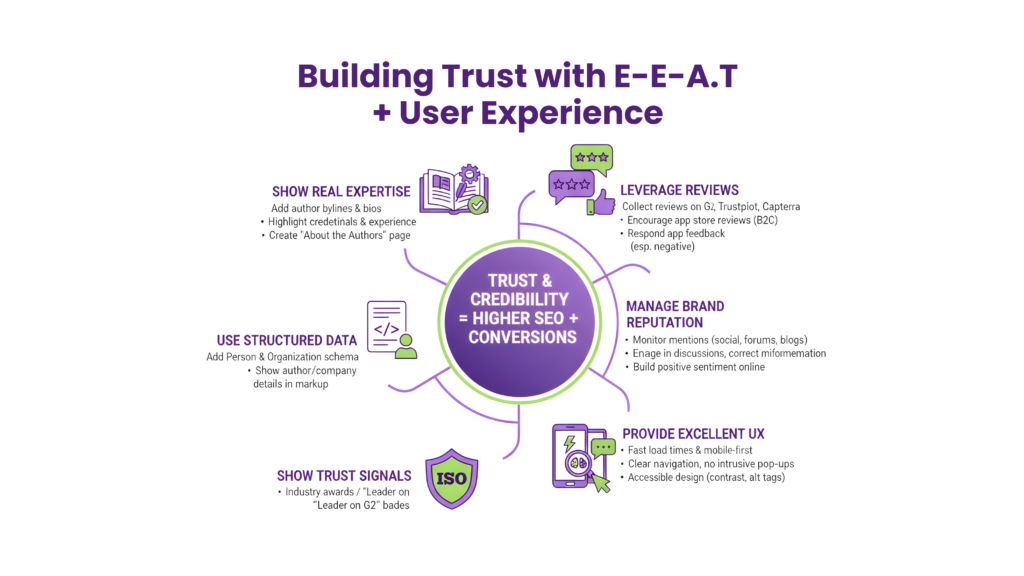
Google’s E-E-A-T guidelines (Experience, Expertise, Authoritativeness, Trustworthiness) favor original, expert content with clear credibility signals. When you present your results through a strong local SEO case study, it helps reinforce these signals with real-world proof. Rankings depend heavily on hyperlocal alignment, where location matters most. Your satisfied clients should leave detailed, descriptive reviews that naturally include relevant keywords. Modern AI search engines give priority to businesses that show genuine community involvement. Building real relationships remains vital despite algorithm changes.
Why Human Oversight Is Still Essential
AI makes mistakes and can create false information. This makes human review, editing, and fact-checking necessary for all AI-generated content. The human touch separates high-ranking AI content from failing content. Research shows 58% of consumers preferred AI-written review responses compared to human-written ones. This success depends on proper guidance. Your content stays high-quality and on-brand when you retain control.
Want similar results for your business? Explore our local SEO services for small business designed to deliver measurable growth.
Conclusion
This local seo case study reveals the power of combining AI tools with local SEO implementation. AI doesn’t create miracles by itself. It makes your existing strategy more effective when you apply it the right way. The business went from being invisible to leading local search results through smart planning and execution.
You can reach the same level of success by using these tested methods. A complete audit comes first. Next, implement AI-powered keyword clustering, develop location-specific content, and create consistent citations online. The key to success lies in structure and consistency rather than producing massive amounts of content.
Want to see how AI-powered local SEO can boost your business? The 200% growth shown in this local seo case study isn’t unusual – it’s achievable with the right strategy. You can reshape your local visibility today. Our specialized SEO strategies and budget-friendly local SEO services help businesses achieve proven growth.
FAQs
Q1. How long did it take to see results from the AI-powered SEO strategy?
The business saw significant improvements within months of implementing the AI-powered strategy. By the fourth month, they had achieved a 200% increase in organic traffic and tripled their qualified local leads.
Q2. What were the key components of the AI-driven SEO strategy?
The strategy included keyword clustering, AI-assisted content creation, optimization for local search intent, and integration of structured data and schema markup. These components worked together to improve visibility and relevance in local search results.
Q3. How did AI tools contribute to content creation?
AI writing assistants helped generate optimized content for Google Business Profiles and provided real-time SEO feedback. They also assisted in identifying high-value keywords and creating comprehensive content that addressed broader spectrums of user questions.
Q4. What role did human oversight play in the AI-powered SEO strategy?
Human oversight remained crucial throughout the process. While AI tools automated many tasks, humans were responsible for strategic planning, editing AI-generated content, and ensuring that all content aligned with the brand’s voice and values.
Q5. Can small businesses afford to implement AI-powered SEO strategies?
Yes, AI-powered SEO strategies can be implemented by businesses of all sizes. Many affordable tools and services are available that allow small businesses to leverage AI for improved local search visibility and lead generation without requiring enterprise-level budgets.
Leave a Reply