AI has become the go-to research tool for 50% of B2B buyers. This dramatic change reshapes authority SEO.
Google searches now end without a single click almost 60% of the time. AI acts as an intermediary that delivers direct answers. Your brand’s authority signals matter more than ever before.
E-E-A-T (Experience, Expertise, Authoritativeness, and Trustworthiness) drives this transformation. Search engines and AI assistants use these trust metrics to evaluate content quality. Your business needs more than optimized keywords to succeed in this zero-click era. Strong brand entity building through semantic linking and improved page authority SEO has become essential.
This piece will demonstrate how to create authority signals that AI search engines trust. Your brand can stand out even when users don’t click through to your website.
Why AI Search Engines Rely on Authority Signals
80% of consumers now use AI-written results for at least 40% of their searches. Marketing has changed at its core. You need to know why AI search engines value authority signals more than traditional ranking factors.

How AI Search Is Different From Traditional SEO
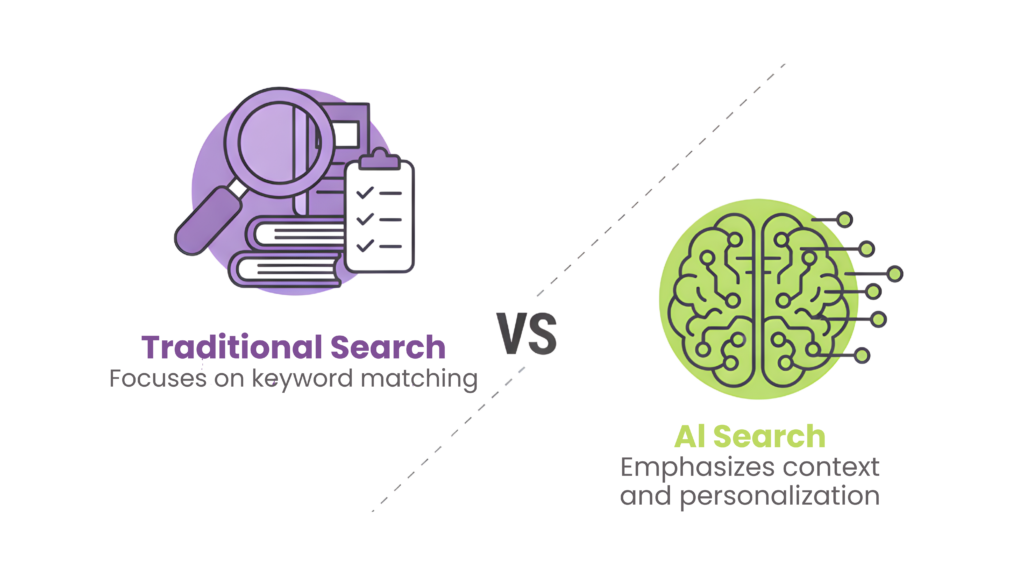
Traditional SEO relies on keywords, backlinks, and metadata optimization. AI search, on the other hand, looks at context, structure, and clarity. Regular search engines match queries to keywords. AI systems review content through natural language processing. They understand semantic relationships and topic relevance rather than just matching exact phrases.
Authority SEO for AI needs a fresh approach. You must show real expertise through deep content and accurate facts instead of focusing on keyword density and placement. AI systems look at your content’s “semantic authority” – expertise you show through detailed explanations and real-life applications.
AI likes self-contained sentences that make sense on their own. Your writing style should have a clear structure. Machines that think like humans but read like robots should easily extract information.
The Rise Of Zero-Click And Answer Engines
About 60% of searches end without users clicking to another website. Zero-click happens because AI-generated summaries give answers right on the results pages. Users don’t need to visit your site anymore.
Search has two major game-changers now:
- Generative AI summaries on traditional search engines (Google AI Overviews, Bing)
- Large language models as dedicated search tools (Perplexity, ChatGPT Search)
Organic traffic has taken a big hit – Bain’s research shows a 15% to 25% drop. But SEO isn’t dead. Your brand-building strategy just needs to evolve so AI-generated answers mention you.
Why Trust Metrics Matter More Than Traffic
Success in the AI era goes beyond website traffic. Trust metrics determine if AI engines cite your content. AI systems look at your authority through:
- Citation patterns and peer recognition on various platforms
- Factual accuracy and transparent sourcing of information
- Cross-platform consistency of expertise (podcasts, articles, social media)
- Editorial credibility (61% of brand reputation signals come from editorial sources)
Page authority SEO now means building what search engines call “semantic authority.” The “experience premium” shows up in about 73% of AI-cited content in business topics. Optimizing for influence has become vital instead of direct conversions.
Brands that win with authoritative SEO in 2025 and beyond will optimize for both traditional search and AI understanding. This two-sided approach maximizes visibility everywhere through semantic linking and consistent entity representation.
B2B companies must rethink how they measure SEO success. Traffic metrics aren’t enough anymore. You need to track how often AI-generated answers mention your brand, even when users never visit your website.
Step 1: Build Strong Entity Recognition
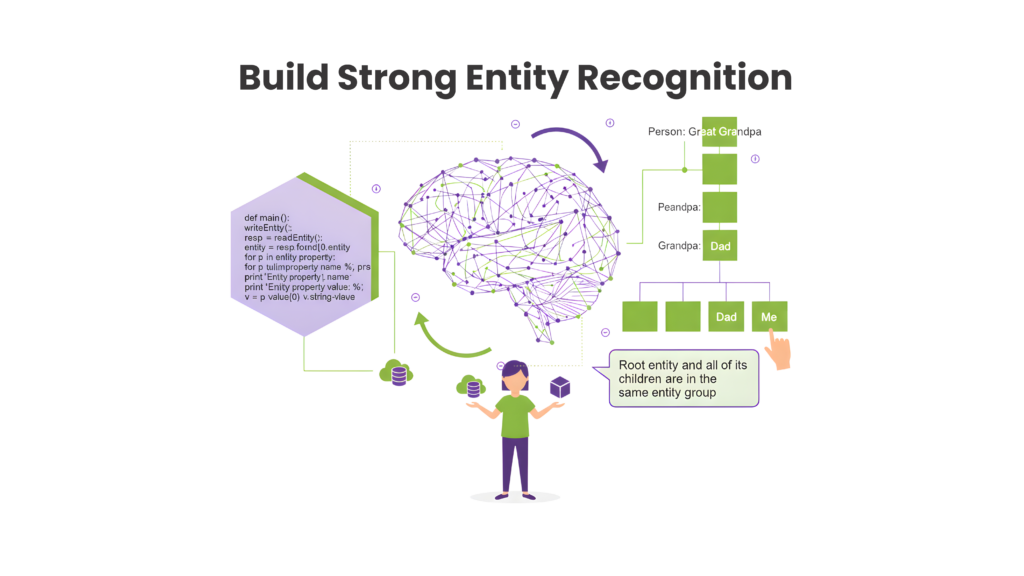
Your brand needs to be easily recognizable to AI search engines. Research shows that structured data implementation ranks as the top method to optimize for AI search. This makes it a vital first step in your authority SEO strategy.
Use Schema Markup And Structured Data
Search engines need structured data to interpret your content better. Schema.org markup gives search engines clear labels about your content. This removes any confusion about people, places, products, and concepts on your page.
Google prefers JSON-LD format for schema implementation because it keeps the markup separate from HTML content. You can define complex entities and relationships without messy page code.
To get the best entity recognition:
- Pick the most specific schema type for your content (Organization, Person, Product, etc.)
- Add all relevant properties to provide context
- Verify your markup using Google’s Rich Results Test
- Use the schema the same way across similar pages
Note that schema markup does more than create rich results. It builds what experts call your “content knowledge graph” that connects your brand’s entities everywhere.
Claim And Optimize Business Profiles
AI-generated answers often include content from community platforms like Reddit and review sites. You need verified and optimized profiles on trusted review sites to boost your authority SEO.
Make sure your Google Business Profile has accurate and complete information since AI search engines collect data from trusted web sources. Keep your business details (name, address, phone) consistent everywhere to help AI systems identify you correctly.
These optimized profiles give external proof of your entity and help AI engines reference your brand with confidence.
Ensure Brand Consistency Across Platforms
Companies that maintain high brand consistency see revenue growth of 10% or more. Yet only a third of businesses follow their brand guidelines. This creates problems for users and AI systems trying to identify your entity.
Your brand needs complete guidelines for logo usage, color schemes, fonts, and tone of voice. Everyone in your organization should follow these rules carefully.
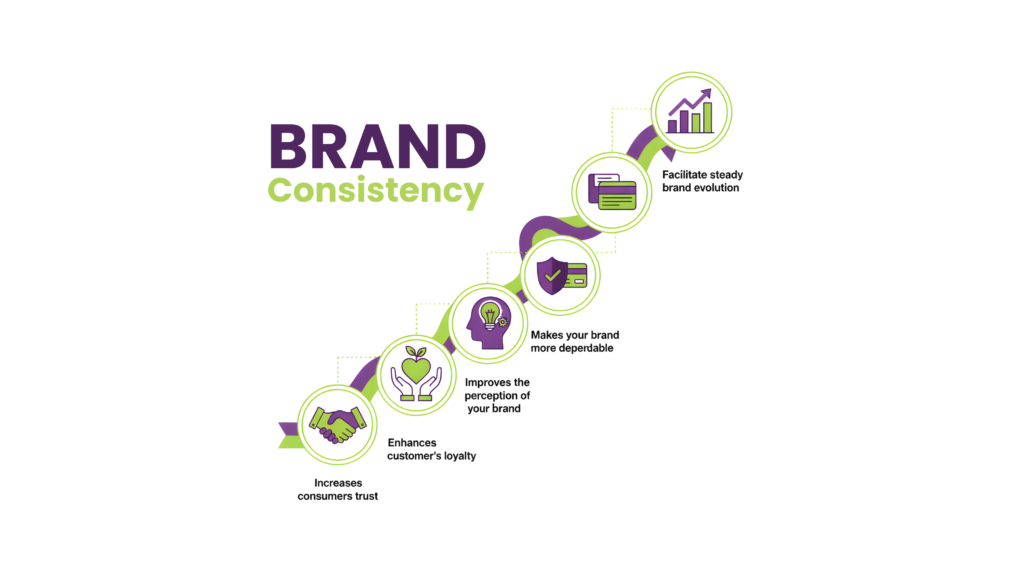
AI search engines look at entity patterns across platforms. Your brand recognition improves when you keep consistent messages about your values and how your products solve problems.
Make Use Of Semantic Linking For Topic Clarity
Semantic optimization helps AI systems understand how topics and entities in your content connect. You can tell search engines exactly how concepts relate through structured data and entity linking.
The @id property in JSON-LD gives unique identifiers to entities. The sameAs properties connect your entities to external knowledge bases. To name just one example, see how using sameAs to link your Organization schema to your Wikipedia page helps AI systems spot your brand across the web.
These semantic connections create what search experts call “entity authority”—a key factor in whether AI systems trust and cite your content. Clear semantic pathways help AI search engines grasp not just your content’s words but its meaning.
Strong entity recognition sets the stage for all other authority signals. AI search engines might miss even the most valuable content if they can’t recognize trusted sources to cite.
Step 2: Earn High-Value Citations and Mentions
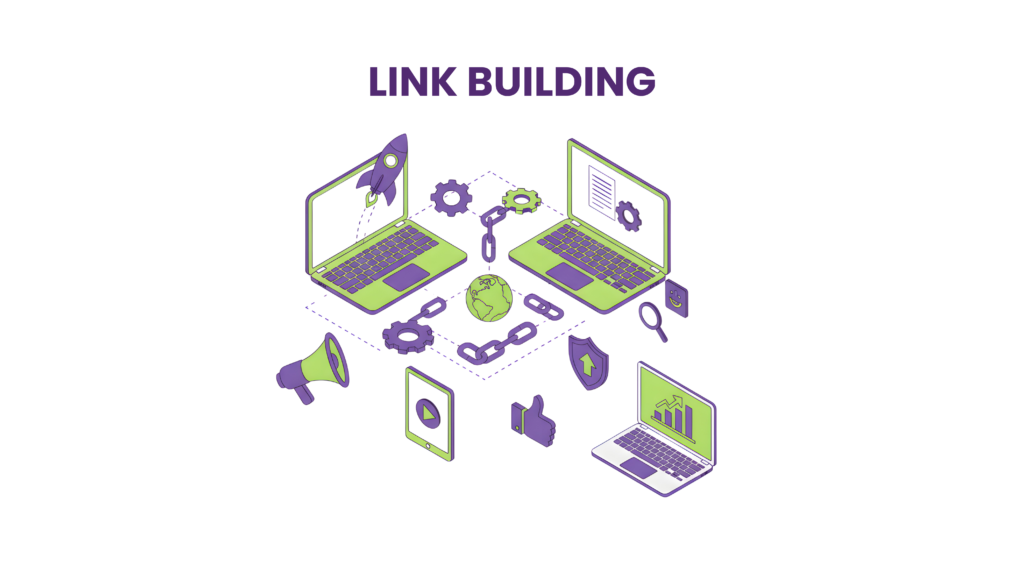
Third-party validation helps build trust signals that AI search engines look for when selecting citation sources. Research shows AI systems give priority to content that other experts reference.
Publish Original Research And Data
Your brand can attract citations through original research. Other experts naturally reference proprietary surveys, standard reports, and whitepapers. AI models prefer citing original sources instead of secondary interpretations, making this approach highly effective.
You don’t need academic credentials to create valuable data. A simple customer survey, internal standards, or patterns from qualitative feedback can serve as original research. The goal isn’t academic perfection – AI engines want content that’s useful, verifiable, and novel.
Original research delivers several key benefits:
- AI visibility since LLMs prioritize originality and EEAT signals
- Better SEO results through backlinks and higher engagement metrics
- Content that powers your marketing strategy for months
Contribute To Industry Publications
Industry publications give you a chance to show your expertise while earning valuable backlinks. Links from relevant domains boost keyword visibility by 32% compared to generic backlinks.

Your guest content should highlight unique perspectives rather than general information. Editors want to reference evidence-based case studies, original commentary, and practical frameworks.
Get Featured In Media And Analyst Reports
Media mentions and analyst coverage validate your expertise, which AI systems recognize as credibility signals. Trade media, Gartner or Forrester reports, and news outlets send strong trust signals to users and search engines alike.
Each external reference strengthens your position as a reliable source in your field. These third-party links work as endorsements of your expertise and reliability.
Use Guest Posts And Expert Commentary
Expert-written content performs better than AI-generated material. Analysis of 100+ backlink profiles shows that expert-built guest posts generate real traffic, build EEAT (Experience, Expertise, Authority, Trustworthiness), and turn readers into customers.
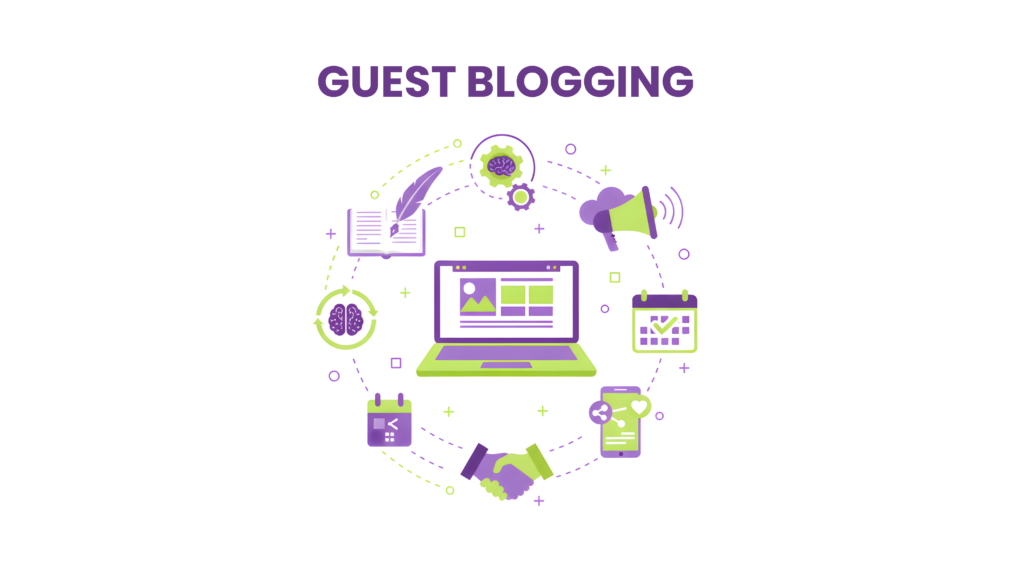
Expert commentary in news stories, podcasts, and interviews creates valuable brand mentions that AI systems acknowledge. Make sure your contributions add real value – 80% of publishers reject pitches that seem templated or lack originality.
Your citation strategy works best when you:
- Choose relevant platforms over high-volume ones
- Emphasize quality in your outreach efforts
- Create genuine connections in relevant channels
Step 3: Create Deep, Authoritative Content
Leaders stand apart from followers in the AI search era by creating content with true depth. Authority SEO needs complete coverage that shows genuine expertise, not just keyword placement, unlike traditional SEO.
Focus On Topical Depth, Not Just Keywords
AI search engines care nowhere near as much about keyword density as they do about semantic depth, your site’s complete coverage of a topic and related concepts. Modern search engines use this approach to determine if your content provides the best answer to a query. You should build deep clusters of content that show mastery of core topics.
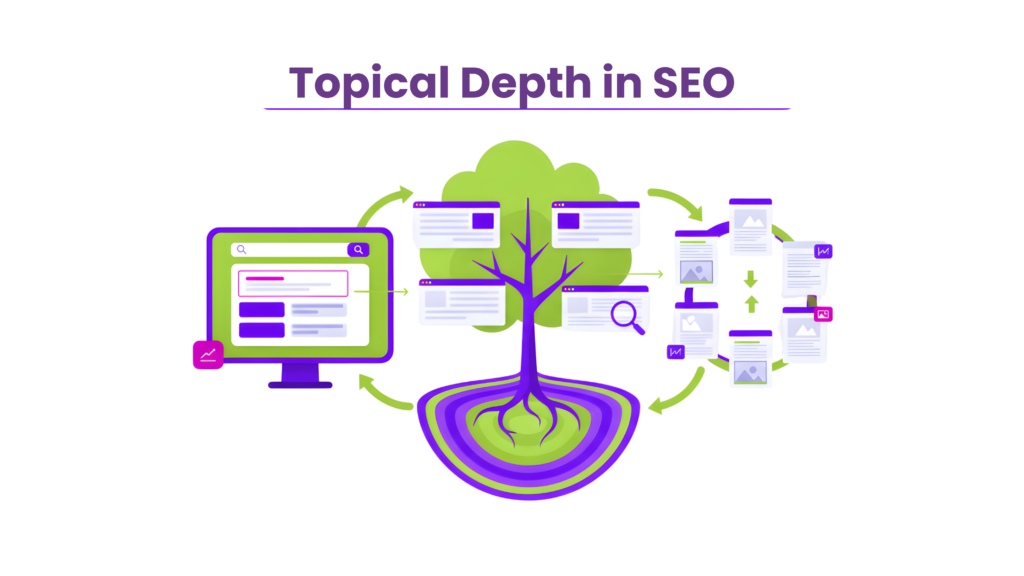
Link pillar content to related subtopics and create an interconnected network that signals true expertise. Your content becomes more user-friendly when you cover these topics from multiple angles with diverse formats, definitions, comparisons, how-tos, videos, and structured data.
Use Expert Authors And Real-Life Examples
Content that is trustworthy and authoritative, backed by credible data, case studies, and expert opinions, gets priority from AI search engines. Your content creation should include real-life applications and outcomes that add tangible value.
Research shows that readers are 73% more likely to trust content created by recognized subject-matter experts. Expert quotes should flow throughout your content. These quotes should inform and shape your arguments with specialist insights rather than just mentioning interviews.
Update Content Regularly To Stay Relevant
Outdated information weakens your authority in AI search. AI Overviews prefer fresh, authoritative sources over stagnant pages. You should update existing content with new related information—but only when it naturally continues the topic or customer trip. Watch AI-generated results to refine your approach and ensure your content stays competitive as search algorithms evolve.
Incorporate Long-Tail Keyword Optimization
Readers prefer simpler headlines with common words and more readable writing over complex ones, according to a 2024 study from Science Advances. Long-tail keywords (detailed, natural-sounding phrases) match how people speak when interacting with AI.
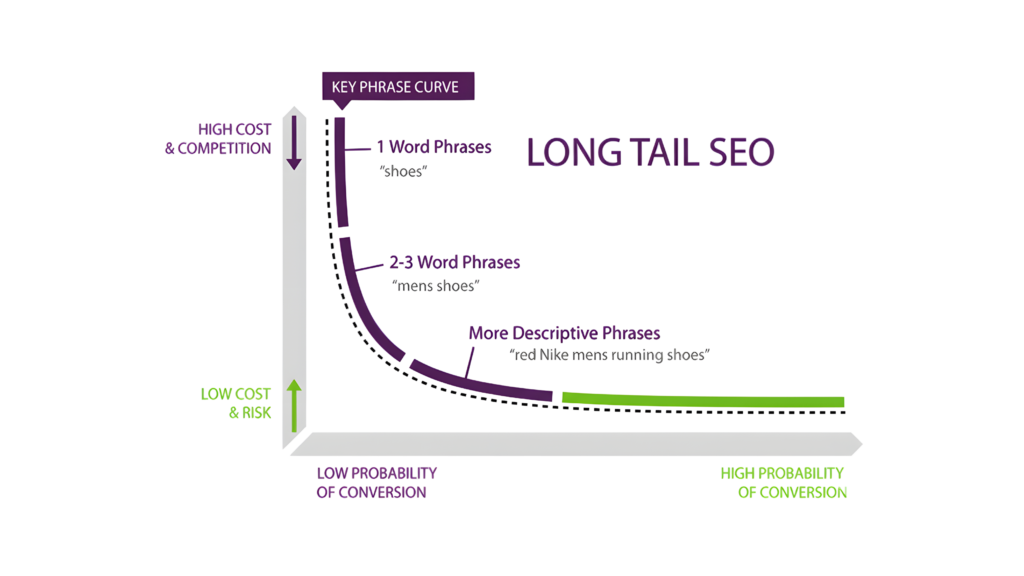
These specific queries reveal what potential visitors want: decision factors, product features, and questions they have before they think about solutions. The best optimization happens when you naturally include these terms in strategic locations: page titles, URLs, subheadings, opening and closing paragraphs, title tags, and meta descriptions.
Step 4: Monitor and Strengthen Your Authority Signals
AI search success depends on constant measurement and fine-tuning. Traditional SEO differs from authority SEO performance tracking because you need to understand how AI systems see your brand.
Track Citation Share And Brand Mentions
Brand mentions and website citations work differently. AI tools reference your brand through brand mentions. Your website gets a citation when it’s linked as a source. This matters a lot – ChatGPT mentions brands 3.2x more than it cites them. Your brand has room to grow here.
These vital metrics need tracking:
- Citation frequency across AI platforms
- Share of voice compared to competitors
- Sentiment analysis (positive, negative, neutral)
- The gap between mentions and citations
Audit Your Brand’s Presence In AI Summaries
Your brand visibility score comes from a simple calculation: (Answers mentioning your brand ÷ Total answers for your space) × 100. This shows how visible you are when customers make important decisions.
Use Tools Like RankFast To Measure Page Authority SEO
RankFast‘s domain authority checker looks at your website’s trust metrics on a 0-100 scale. Scores above 60 show excellence. AI visibility grows with this metric. Research proves that websites with varied backlinks and higher Domain Authority stand out more on AI platforms.
Repeat Your Brand Message Across All Content
Your consistent message builds a stronger brand entity, building signals that AI engines pick up. A unified message across channels helps boost recognition and semantic linking.
Try RankFast’s domain authority checker to check your site’s authority now.
Conclusion
AI search engines are reshaping the scene of SEO, and your brand’s authority signals matter more than ever. This piece shows you how to build trust with AI systems through four vital steps: You need to establish strong entity recognition, earn high-value citations, create deep authoritative content, and monitor your performance consistently.
Authority signals have replaced traffic-focused metrics as the new measure of search success. Your goal now extends beyond chasing clicks – you must become the most trusted voice that AI systems reference with confidence in your industry. This calls for a strategic plan to build your brand entity and create semantic links across your digital presence.
AI search engines assess your authority through multiple signals. Citation patterns, factual accuracy, cross-platform consistency, and editorial credibility determine if your content deserves features. Your SEO strategy should focus on building real expertise signals instead of just optimizing keywords.
You can start using these authority-building techniques today to boost your brand’s visibility on traditional and AI search platforms. Use RankFast’s SEO for real estate agents‘ domain authority checker to see where you stand and find ways to strengthen your signals. RankFast’s SEO services can help you build trust signals that make your brand the go-to reference for AI search engines in your field.
FAQs
Q1. How does AI search differ from traditional SEO?
AI search focuses on context, structure, and clarity rather than just keywords and backlinks. It uses natural language processing to understand semantic relationships and topical relevance, prioritizing content that demonstrates genuine expertise through depth and factual accuracy.
Q2. What are authority signals in the context of AI search engines?
Authority signals are trust metrics that AI search engines use to determine the credibility of content. These include citation patterns, peer recognition, factual accuracy, transparent sourcing, cross-platform consistency, and editorial credibility.
Q3. How can businesses build strong entity recognition for AI search engines?
Businesses can build strong entity recognition by using schema markup and structured data, claiming and optimizing business profiles, ensuring brand consistency across platforms, and leveraging semantic linking for topic clarity.
Q4. Why is creating deep, authoritative content important for AI search optimization?
Deep, authoritative content demonstrates genuine expertise to AI search engines. It involves focusing on topical depth rather than just keywords, using expert authors and real-world examples, regularly updating content to stay relevant, and incorporating long-tail keyword optimization.
Q5. How can companies monitor and strengthen their authority signals for AI search in a real estate SEO agency?
Real estate SEO agency can monitor their authority signals by tracking citation share and brand mentions, auditing their brand’s presence in AI summaries, using tools like RankFast to measure page authority SEO, and consistently repeating their brand message across all content.
Leave a Reply