AI-friendly content has become essential in today’s digital world. SEO has seen remarkable development in the last decade. AI-driven tools and algorithms now shape search rankings, content creation, and user experience in ways we couldn’t imagine a few years ago.
Traditional SEO once centered on keywords. Modern human-centric SEO demands a deep grasp of AI’s interpretation and prioritization of information. Content strategies that address real customer questions outperform traditional keyword tactics in AI-driven findings. AI platforms now cite Reddit and YouTube nowhere near as often as traditional websites. This trend highlights user-generated content’s growing role in modern search algorithms.
Google’s search algorithm continues to advance through AI-powered models like RankBrain, BERT, and the Helpful Content Update. Your content strategy needs to adapt to these changes. Modern traffic comes from intent-driven visitors who are closer to making purchases. This piece shows you how to craft content that appeals to both human readers and AI systems. These insights will help your enterprise SEO optimization services deliver better results in semantic SEO’s new era.
From Keywords to Questions: The New SEO Mindset
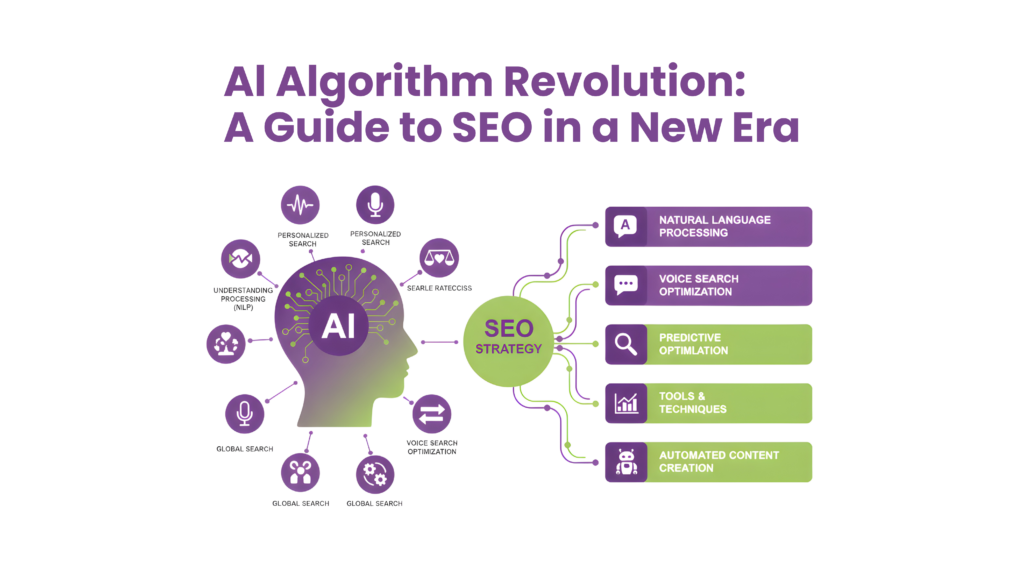
Search has changed from simple keywords to question-based content. This shows more than just a trend—it’s a complete overhaul of how search engines understand and process user queries. Your content strategy needs to evolve as search engines become more sophisticated to match this new question-oriented mindset.
Why Question-Based Content Outranks Keyword Lists
Question-based content performs better than traditional keyword lists because it lines up with how people search today. Research published by Moz shows search queries starting with “Who,” “What,” “Where,” “When,” “Why,” and “How” account for approximately 8% of all searches made. Google processes over two trillion searches daily, so questions make up much of the search traffic your business might be missing.
Voice search has sped up this trend. Users ask voice assistants over a billion questions monthly. These queries are longer and more conversational—something traditional keyword strategies don’t deal very well with. Google’s semantic search technology tries to understand the true intent behind these questions, not just the words.
Featured snippets (also known as position zero) show how well question-based content works:
- Content in these answer boxes sees 8% better click-through rates
- Organic traffic revenue from featured snippets goes up by 677%
- Marketers see a 20-30% boost in organic traffic with featured snippet positions
You can capture these high-value SERP features by creating content that answers real questions. Question-based content also fits naturally with Google’s E-E-A-T guidelines. It shows expertise through detailed, helpful answers instead of shallow keyword optimization.
Using Tools Like AnswerThePublic and ChatGPT to Find Topics
You need specialized tools for semantic SEO and human-centric content to find the exact questions your audience asks.
AnswerThePublic works as a “search listening tool” that uses autocomplete data from Google and Bing. This tool shows questions people actually ask and groups them by question words, prepositions, and comparisons. Enterprise SEO optimization services can find untapped content opportunities that keyword-focused tools might miss.
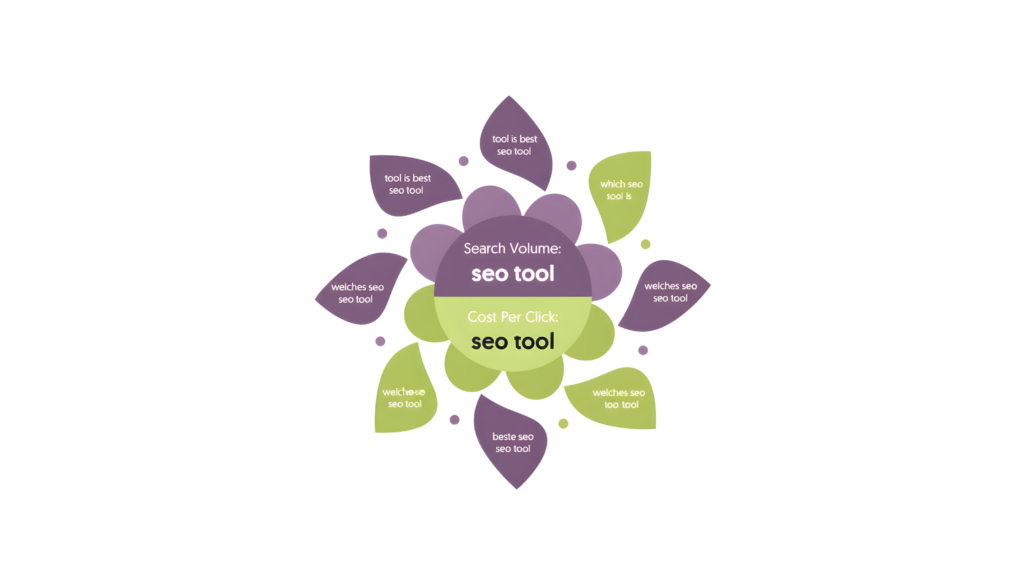
AnswerThePublic stands out because it shows:
- Real questions from Google’s ‘People Also Ask’ boxes
- Data from search engines, marketplaces, social media, and AI platforms
- Visual maps of question relationships that reveal content gaps
AlsoAsked has become a key tool for content ideas by showing data straight from Google about what users want to know. It helps you see themes in questions so you can create content that covers entire topic clusters instead of single keywords.
ChatGPT adds extra capabilities for natural language optimization. While it doesn’t have search volume data, ChatGPT can:
- Sort keywords into semantic clusters based on relevance
- Create tables that group keywords by search intent (commercial, navigational, transactional, or informational)
- Suggest common questions about specific topics
QuestionDB gives you detailed metrics about question difficulty, competition level, cost-per-click, and search volume. These metrics help you choose questions with the best potential return.
Using these tools together helps you create content that connects with both humans and AI systems. You can answer real questions while building the topical authority that modern search algorithms value. This question-focused approach is the foundation of good semantic SEO and creates content that strikes a chord with readers and algorithms alike.
Building Trust Through UGC and Social Signals
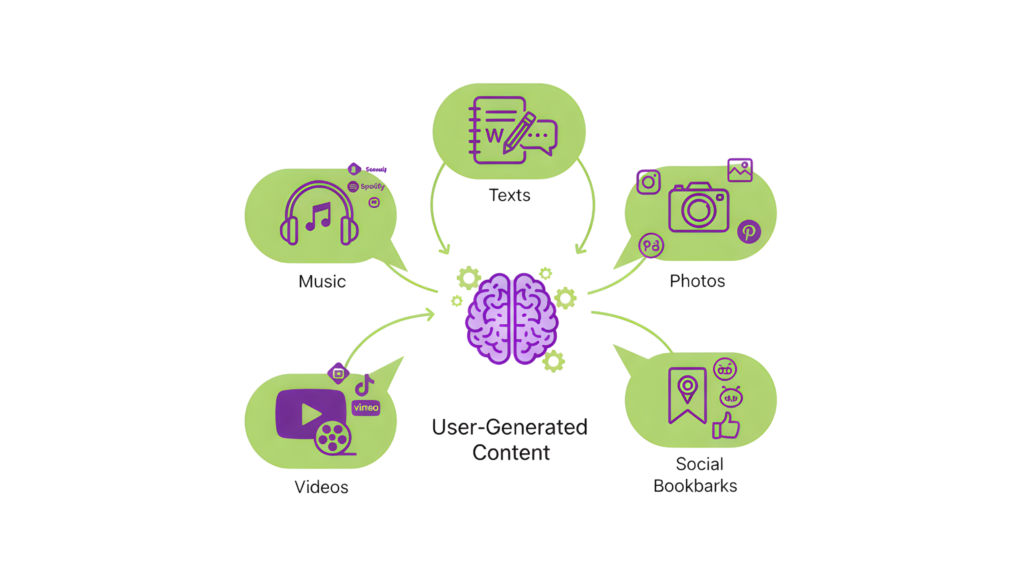
User-generated content (UGC) has become a powerful trust signal that strikes a chord with both AI algorithms and human readers. Marketing copy can’t match the authentic points of view that search engines value when they deliver relevant results.
How Reddit and LinkedIn Influence AI Search Results
Reddit plays a surprisingly central role in AI search visibility. It’s the most cited domain across major AI platforms and accounts for 3.5% of all citations—almost three times more than Wikipedia. This dominance comes from Reddit’s wealth of authentic peer advice that stands in stark contrast to corporate marketing messages.
Numbers paint a clear picture here. ChatGPT users view 42% more pages per session than Google users, showing deeper interest and curiosity. Reddit ranks as the second most common site that ChatGPT cites, making it crucial for enterprise SEO strategies.
LinkedIn serves as a goldmine for AI systems. Its well-laid-out content (articles, newsletters, carousels) gets crawled, indexed, and cited more often in AI-generated results. The platform’s Collaborative Articles project creates millions of high-quality content pages by subject matter experts. This explains why LinkedIn pages show up more often in Google searches.
Incorporating UGC Content into Your SEO Strategy
Here’s how to use UGC effectively in your natural language optimization:
- Get real on Reddit: Add value to discussions in relevant subreddits to build authority. Skip the link dropping and focus on helpful contributions.
- Build a strong LinkedIn presence: Sharing valuable insights on LinkedIn boosts your chances of AI search citations while earning genuine SEO backlinks.
- Build community platforms: Think about using well-indexed platforms like Discourse or Invision Community instead of Facebook groups. This helps your user discussions boost semantic SEO.
- Use E-E-A-T signals: UGC shows real customer experiences that meet Google’s “Experience” requirement in E-E-A-T guidelines.
Most consumers (70%) actively avoid online ads and trust authentic opinions from other consumers. As a result, 93% of marketers say UGC works better than branded content, making it vital for human-focused SEO strategies.
The Role of Brand Mentions in AI-Generated Summaries
Ahrefs research shows strong links between brand visibility in AI summaries and brand mentions across the web. These findings prove how earned media, press coverage, and brand popularity affect AI visibility—even without direct links.
Brand mentions correlate strongly with appearances in Google’s AI Overview. Getting mentioned in AI search results boosts visibility and credibility, even without website links. This matters more now as zero-click searches grow, with Google’s AI Overview capturing all attention.
Social signals—likes, shares, and comments—shape SEO outcomes indirectly. While Google doesn’t rank directly based on these, they create perfect conditions for traditional SEO success. To name just one example, social engagement creates genuine brand mentions that work as co-citation signals, telling Google your brand deserves trust.
B2B companies looking for enterprise SEO services must understand these new trust signals. AI search keeps changing visibility rules, and brand mentions have become digital success currency.
Structuring Content for AI Visibility and Human Clarity
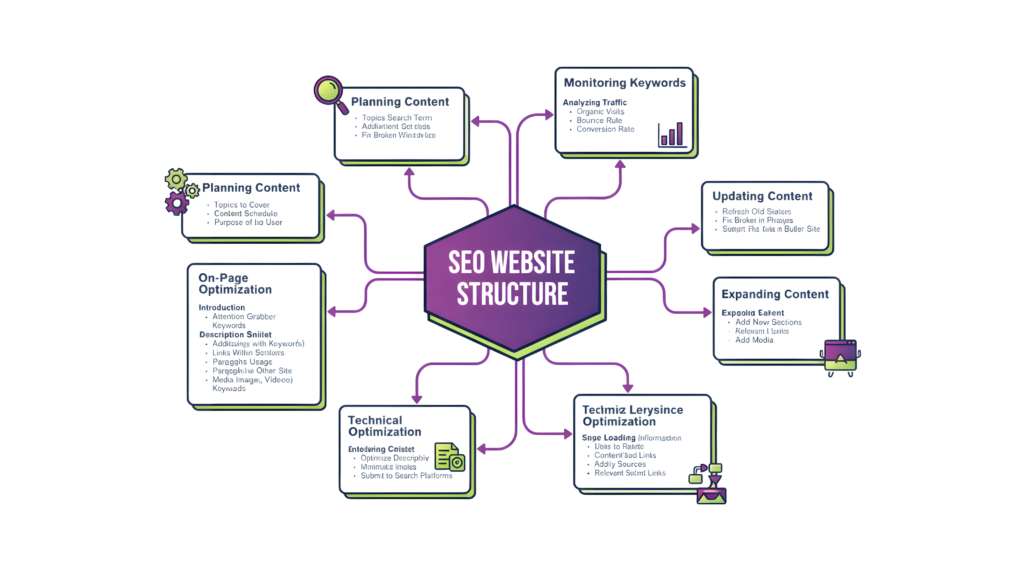
Your content’s structure determines how AI systems interpret and rank your pages. The digital world has moved beyond text-only search. It now combines text, images, video, and interactive elements into one smooth interface. You need to understand the technical basics that make your information available to both machines and humans to create AI-friendly content.
Using Clean HTML and Schema Markup
Schema markup gives search engines clear definitions about your content’s purpose and relationships. This structured data vocabulary helps search engines deliver content to users with the right presentational features. The results show that pages with schema markup rank four positions higher on average. Yet surprisingly, only a small fraction of domains (estimated as low as 0.3%) use it.
Google recommends JSON-LD as the best format for structured data. This JavaScript notation sits in a <script> tag in your page head or body and makes nested data items easier to express. These high-value schema types deserve your attention:
- Product markup for e-commerce pages
- Event markup for schedules and tickets
- FAQ markup for question-based content
- How-To markup for instructional content
Schema markup lets search engines show visually enhanced search results (rich snippets). These make your listings more noticeable and boost click-through rates. The numbers speak for themselves—pages with rich results get an 82% higher click-through rate than standard results.
Bullet Lists and Headings for Machine Readability
Both AI systems and human readers rely on headings and bullet lists as guides. AI better understands your content’s organization through well-structured H2/H3 headings that match search queries (like “How to Choose the Right Hiking Tour”). These elements catch the eye naturally—small dots help break down complex ideas.
A good bullet list should:
- Balance line lengths
- Follow the same grammatical pattern
- Start each point differently
- Begin with a clear introduction
These formatting choices do more than make text readable. AI models extract structured insights more effectively. SEO content optimization tools can analyze your content structure to work better for both humans and AI.
Multimodal Content: Images, Videos, and Transcripts
Modern search demands content that’s rich in visuals and structure. Google’s Gemini-powered AI reads context signals from multiple formats. Your images need:
- Descriptive filenames with relevant keywords
- Natural alt text that explains the image
- HTML-specified dimensions for faster loading
- An image XML sitemap
Video transcripts offer a simple yet powerful SEO boost. Research from Discovery Digital Networks shows that captioned videos get 7.32% more views. Transcripts also add keywords naturally and make your content available to more people.
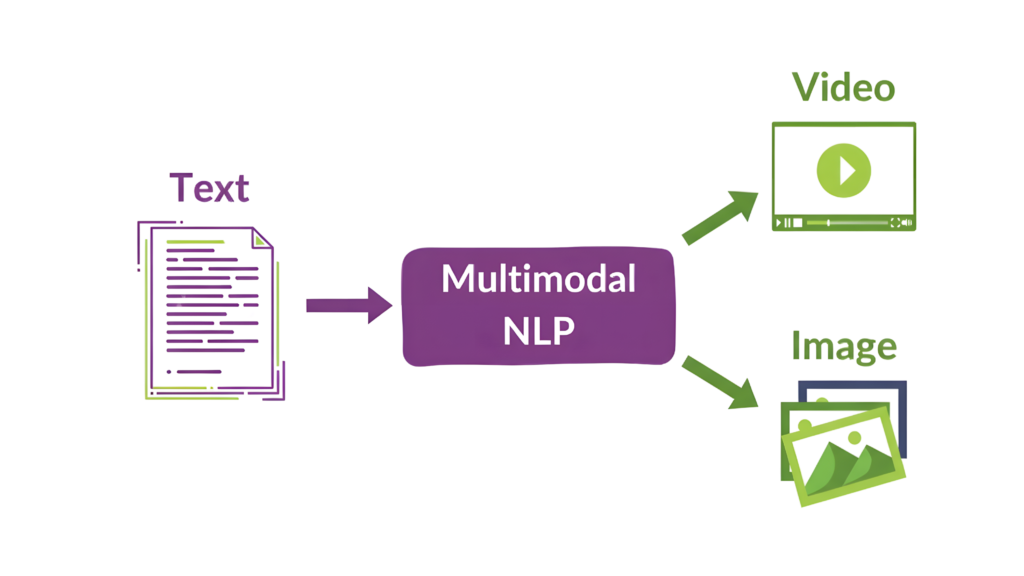
Multimodal content creates extra context clues that help AI understand your expertise. Enterprise SEO optimization services now see this multi-format strategy as crucial—not optional—to create content that resonates with both AI systems and human readers.
Establishing Authority with Expert-Driven Content

Expert-driven content serves as the lifeblood of successful SEO strategies in today’s AI-dominated digital world. Search engines rank and review your content based on the credibility you establish through subject matter expertise.
Featuring Named Authors and Subject Matter Experts
Named experts make your content instantly trustworthy. The dog DNA testing company Embark uses veterinarians as subject matter experts (SMEs) to write their blog content. Readers develop an emotional connection with the brand when they see qualified professionals vetting the articles. Companies that use expert bylines see their organic traffic grow substantially—featured authors help attract 45% more organic visitors.
Citing Original Data and Case Studies
Original research and case studies establish your leadership in the industry. Ahrefs created its content empire by converting proprietary data into industry insights that others couldn’t copy. Their product acts as a research lab, which creates a powerful cycle: content proves their tool’s value, while their tool powers their content. Companies that publish data-backed studies find that these become reference points that generate earned media mentions from major publications.
Arranging with Google’s E-E-A-T Guidelines
Google’s E-E-A-T framework (Experience, Expertise, Authoritativeness, Trustworthiness) provides the foundation for high-ranking content. Trust emerges as the most vital element—other components contribute to building it. Search systems place greater emphasis on content with strong E-E-A-T signals, especially for topics affecting health, financial stability, or safety (YMYL).
You can demonstrate high E-E-A-T by:
- Revealing firsthand experience through author bios and behind-the-scenes content
- Showing subject expertise with comprehensive content and credentials
- Building authority by publishing regularly and earning industry mentions
- Building trust through clear sourcing and detailed author information
Need help with expert-driven content? RankFast’s enterprise SEO services can help you create expert-led content strategies that raise your semantic SEO results through SEO content optimization tools designed for both human readers and AI systems.
Why RankFast is Your Partner for Human-Centric SEO
The success of your SEO efforts depends on choosing the right partner. RankFast excels at creating AI-friendly content that strikes a chord with both humans and search engines.
Integrated SEO Content Optimization Tools
RankFast offers complete tools to boost your content’s search visibility. Their SEO content optimization suite has keyword extractors that quickly identify relevant terms, AI-powered keyword research capabilities, and competitor analysis tools to assess SEO strategies. These tools work together to keep your content competitive while engaging human readers naturally.
Enterprise SEO Services Tailored for B2B
B2B companies with complex websites and competitive global markets benefit from RankFast’s specialized enterprise SEO services that deliver real results. Their approach focuses on:
- Expandable B2B content creation that builds the topical expertise required by AI search engines
- Informed marketing strategy refinements
- Better organic visibility in a variety of regions and customer segments
Transparent Reporting and Performance Tracking
RankFast’s reporting philosophy builds on transparency. Their systems send live daily notifications, weekly summaries, and complete monthly reports. This approach promotes collaboration and shows you exactly how SEO efforts tie to business results.
Want to raise your content strategy? Take a look at RankFast’s SEO content optimization tools to create content that connects with both humans and AI.
FAQs
Q1. How has SEO evolved with the rise of AI?
SEO has shifted from keyword-focused strategies to question-based content that aligns with user intent. AI-driven algorithms now prioritize content that provides comprehensive answers and demonstrates expertise, making it crucial to create content that speaks to both humans and AI systems.
Q2. Why is user-generated content (UGC) important for SEO?
UGC has become a powerful trust signal for both AI algorithms and human readers. Platforms like Reddit and LinkedIn are increasingly cited by AI search results, as they provide authentic perspectives that contrast with traditional marketing messages. Incorporating UGC into your SEO strategy can boost engagement and credibility.
Q3. What role do brand mentions play in AI-generated search results?
Brand mentions have a strong correlation with visibility in AI-generated summaries, even without direct links. This highlights the importance of earned media, press coverage, and overall brand popularity in influencing AI visibility, making brand mentions a new currency of digital prominence.
Q4. How can content be structured for better AI visibility?
To improve AI visibility, use clean HTML and schema markup, implement proper headings and bullet lists for machine readability, and create multimodal content including images, videos, and transcripts. These techniques help AI systems better understand and interpret your content, potentially leading to higher rankings.
Q5. Why is expert-driven content crucial for SEO success?
Expert-driven content establishes credibility and authority, which are key factors in how search engines evaluate and rank content. Featuring named authors, citing original data, and aligning with Google’s E-E-A-T guidelines can significantly boost organic traffic and position your brand as an industry leader.
Leave a Reply