Here’s a striking fact: LLM-driven search has cut click-through rates for top-ranking pages by 34.5% compared to traditional search results.
The SEO world is getting a complete makeover as ChatGPT, Claude, Perplexity, and other large language models draw hundreds of millions of users. Google’s AI Overviews now reach millions of searches since mid-2024, and these summaries show up in more than 13% of all searches—a jump from 6.49% in January 2025.
Many businesses face a big challenge. They stick to outdated SEO rules while the fundamentals of the game have changed. Your rankings may appear stable, but your website’s actual traffic could be declining steadily for informational queries.
AI search evolution continues to reshape how people find information online. Understanding intent optimization has become more significant than ever. Traditional ranking factors remain important, but AI search systems now dig deeper—they evaluate content quality and assess author expertise in ways old algorithms never could.
Here we will help you find practical strategies to adapt your SEO approach for the new era. You’ll learn about technical SEO for ecommerce platforms and specialized BigCommerce SEO services that line up with how large language models process and prioritize information.
Understanding the Shift to LLM-Driven Search
The search world has changed completely with the rise of LLM-driven search. People don’t just use traditional search engines anymore to find information online. Recent data shows 27% of people in the US now use AI tools instead of regular search engines. This has changed how brands get found online.
How AI Search Progress Changed User Behavior
LLM-powered tools have changed the way people find information online. ChatGPT handles over 2.5 billion prompts and helps more than 120 million users each day. This change is important because people now ask direct questions and get instant answers instead of clicking through search results.
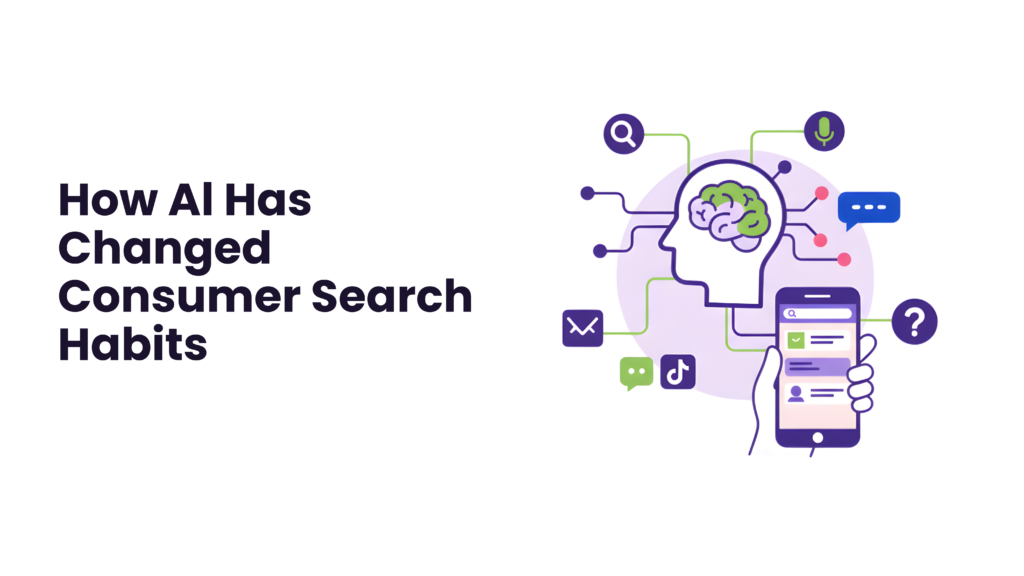
The way these interactions happen is much more like real conversations now. People don’t just type keywords anymore – they ask questions just like they would in normal conversation. What’s interesting is that about 25% of Google searches now end without any clicks. Users get their answers right from the search results without visiting any websites.
Google’s AI Overviews show up at the top of many searches and bring in 1.5 billion monthly users. These systems keep getting better, and users create more complex, multi-step “search experiences” where AI predicts their next questions. This leads to deeper engagement with fewer clicks.
Traditional SEO vs LLM SEO: Key Differences
LLM SEO brings a completely new way to optimize content. Traditional SEO focuses on rankings, while LLM SEO looks at citations. Here are the main differences:
- Focus: Traditional SEO targets keywords and ranking. LLM optimization puts content clarity, context, and user intent first.
- Content Structure: LLM SEO rewards clear language, structured formats like FAQs, and transparent sourcing instead of keyword stuffing.
- Measurement: Traditional SEO looks at keyword positions and traffic. LLM SEO tracks citations, brand mentions, and unlinked references.
- Technical Aspects: Both need high-quality content and E-E-A-T signals, but LLM SEO puts more emphasis on schema markup, structured data, and natural internal linking.
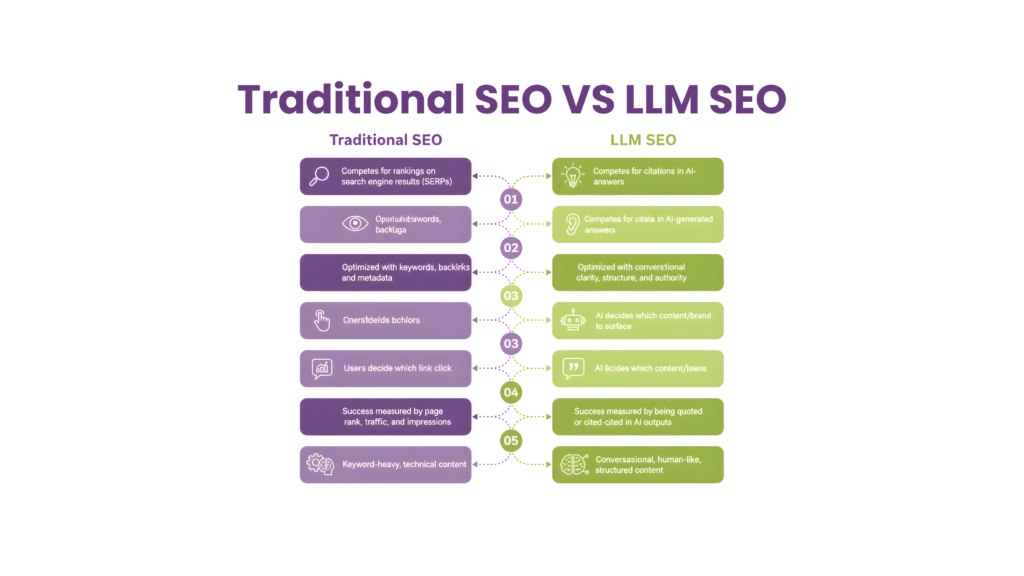
Traditional SEO helps you get found, but LLM SEO helps you get chosen. ChatGPT gives users answers without making them scroll through websites. Being picked as the source for that answer is vital now.
Why Intent Optimization Matters More Than Ever
Understanding user intent has become vital in LLM-driven search. Large language models figure out what users want by looking at word patterns, likely meanings, and gathering context from synonyms and relevant data.
SEO professionals used to focus on exact keyword matches. Now, LLMs understand that “best pizza NYC” means the same thing as “Where should I grab pizza in New York tonight?”. Your content needs to address what users really want, not just match their keywords.
Brands that rank on Google’s first page show up in ChatGPT answers 62% of the time. This shows some overlap between search and AI results, but it’s not complete. You need to optimize for intent across both traditional search and LLMs to get maximum visibility.
Ecommerce platforms, especially those using technical SEO for ecommerce or specialized BigCommerce SEO services, need to pay extra attention to how they describe, categorize, and structure products to match user intent patterns.
Businesses that ignore LLM SEO risk becoming invisible as more searches end with AI answers. Adapting to this new intent-driven search transformation isn’t optional anymore—it’s a must for businesses that want to keep or grow their digital presence.
Core Strategies to Optimize for Large Language Models
To succeed in LLM-driven search environments, you need strategies specifically designed for how AI systems process and evaluate content. Unlike traditional SEO tactics, optimizing for large language models requires a fundamental shift in your content creation approach.
Create Original Content With Unique Data And Insights
LLMs favor content that delivers genuine value through originality. When you publish unique research, case studies, or proprietary data, you dramatically increase your chances of being cited in AI-generated responses. This happens because search algorithms are far more likely to rank original content that delivers new insights.
Original research serves several purposes:
- Elevates your content above competitors in a sea of sameness
- Builds trust and authority with your audience
- Creates quotable data points that no AI tool can replicate
The true power of original research lies in the stories your data tells. By collecting first-party data through surveys, interviews, or industry analyses, you create content that AI systems specifically seek out when responding to relevant queries. This approach is especially effective for technical SEO for ecommerce platforms seeking to establish domain authority.
Use Structured Formats Like FAQs and Comparison Tables
Structured formats are essential for LLM visibility since AI systems excel at identifying patterns and extracting meaningful information from well-organized content. In fact, FAQ sections are considered the single most powerful content format for AI visibility because they mirror exactly how users interact with AI—through questions and answers.

The effectiveness of structured formats stems from how LLMs process information:
- FAQs directly mirror the conversational nature of AI search queries, with each Q&A pair mapping to a user intent and a single extractable passage
- Comparison tables enable side-by-side analysis that AI can easily parse and extract
- Step-by-step guides provide clear sequential information that both users and AI can follow
For optimal results, implement FAQ schema markup in JSON-LD, keeping the text identical to your on-page content. This structured data helps search engines understand your content format and increases your chances of appearing in featured snippets.
Write In A Conversational Tone With Clear Answers
Today’s users expect clear, accurate answers delivered instantly, in their own words. Similarly, LLM-driven search prioritizes content that sounds human and conversational rather than technical or robotic.
To optimize your content tone:
- Write as if you’re talking to a friend or explaining something to a colleague
- Use contractions and varied sentence lengths to keep the rhythm natural
- Answer questions directly at the beginning of paragraphs before elaborating
The key principle is “clarity-first” formatting. Start each answer with a direct response in 1-2 sentences, then provide context, details, and further resources. This structure helps both users and LLMs by providing immediate value while establishing your expertise.
For businesses using BigCommerce SEO services or other specialized platforms, this conversational approach should extend to product descriptions, category pages, and all customer-facing content to maximize visibility in LLM-driven search results.
Building Authority and Trust for AI Citations
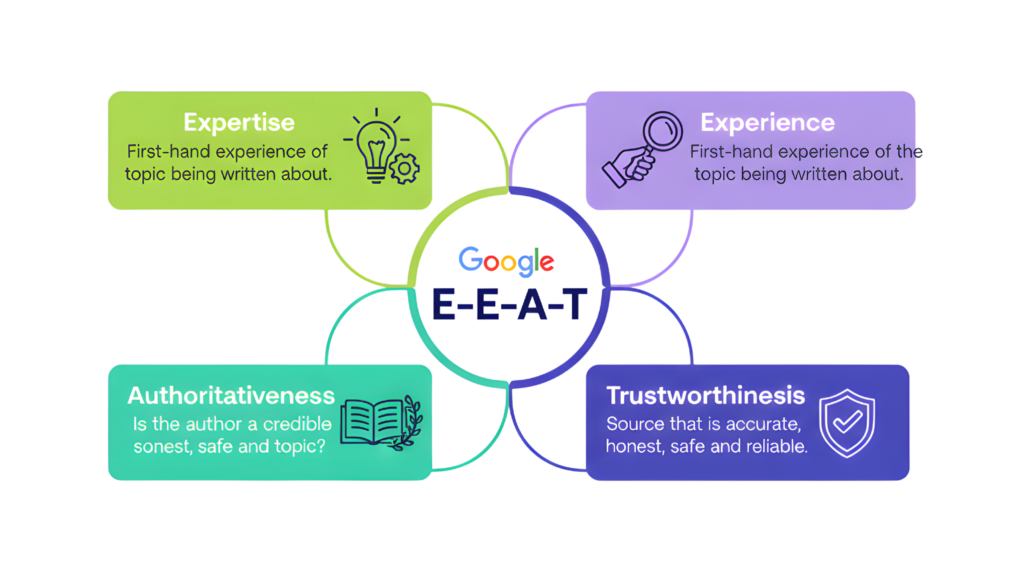
Trust building has become crucial in LLM-driven search. AI systems now review your credibility through a wider lens than traditional SEO’s backlink focus. These systems look at every digital footprint your brand creates online.
Demonstrate E-E-A-T Across All Content
Trust serves as the foundation for AI-generated recommendations. Google states clearly that “Trust is the most important member of the E-E-A-T family”. Your experience and expertise won’t matter in AI citation decisions without trust. Here’s how to build that essential trust:
- Experience: Share real-life usage through personal stories, case studies, and specific insights that generic writers can’t copy
- Expertise: Showcase credentials and specialized knowledge in author bios and citations to credible sources
- Authoritativeness: Build recognition through external validation and consistent topical focus
- Trustworthiness: Maintain accuracy, transparency, and security in all content
AI citations require transparent author attribution, verifiable credentials, clear contact details, and regular accuracy checks. AI systems learn to find and promote factual, verifiable information, making accuracy non-negotiable.
Get Featured In High-Trust Platforms Like Reddit and Quora
Reddit has become a credibility powerhouse, and LLMs cite it more than any other source. Quora stands as the most cited website in Google’s AI Overviews. This creates a perfect chance to share your expertise where AI systems already look.
Reddit values transparency—always disclose your brand connection. Help others by answering questions, sharing resources, and adding value beyond self-promotion. Build relationships with trusted Redditors and moderators who carry substantial influence.
Quora needs detailed answers with specific examples, comparisons, and step-by-step explanations. Clear headlines, bullet points, and well-laid-out formatting increase your chances of LLM scraping.
Encourage Detailed Reviews On Third-Party Sites
LLMs frequently cite reviews, and with good reason too. Sites like G2, Capterra, and TrustRadius use a formula that catches AI attention: feature breakdowns + pros/cons + user reviews = LLM-friendly content.
Ask customers to leave honest, detailed reviews about why they chose your product and their results. Ask power users specific questions like “What feature helped solve a key problem?” and “How does this match other tools you’ve used?”
Research shows that businesses using consistent, multi-channel review strategies create stronger reputation signals in volume, recency, and engagement. Google’s systems prioritize these signals in AI-generated results. More than 60% of citations in AI Overviews come from non-Google sources. Third-party reviews become essential for visibility.
Technical SEO for LLM Visibility
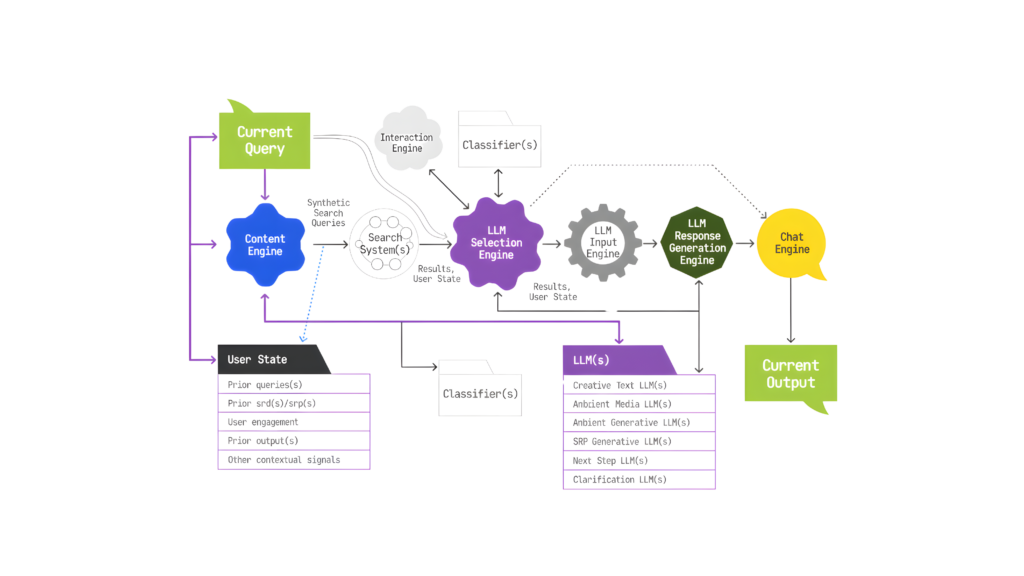
Technical foundations play a vital role in visibility for LLM-driven search. AI crawlers have unique limitations that need specific optimizations. Your content must be processed and cited properly, unlike traditional SEO methods.
Ensure Crawlability And Fast-Loading Pages
AI crawlers work differently from Googlebot. The original AI systems, like ChatGPT and Claude, cannot process JavaScript, and they only see raw HTML. Here’s how to tackle this limitation:
- Your robots.txt file should allow AI-specific crawlers like GPTBot, PerplexityBot, ClaudeBot, and Google-Extended
- Largest Contentful Paint (LCP) should stay under 2.5 seconds, First Input Delay (FID) below 100ms, and Cumulative Layout Shift (CLS) less than 0.1
Slow performance creates a chain of technical issues that reduces your AI citations by a lot. Crawlers abandon pages before content renders completely when load times are poor, which makes your expertise invisible to AI systems.
Implement Schema Markup And Llms.txt
The emerging llms.txt standard gives AI systems direct guidance to your most valuable content, alongside traditional schema implementation. This plain text file lives at your domain root (example.com/llms.txt) and uses markdown formatting to showcase your most authoritative resources.
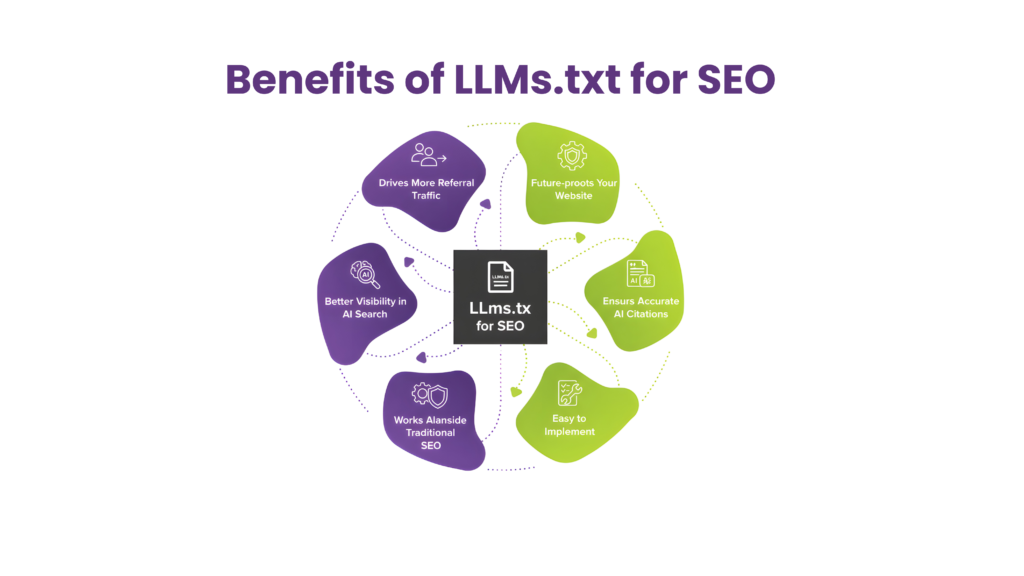
The llms.txt works differently from robots.txt—it serves as a curated sitemap built for AI comprehension and citation. Your file needs:
- A single H1 heading with your site’s name
- A blockquote that provides context
- H2 headings to introduce categorized link sections
- Links in markdown format with descriptions
Schema markup should focus on types that label content elements like authors, topics, and publish dates. This helps LLMs understand and break down your content better.
Use Semantic HTML For Better Parsing
Semantic HTML elements define your content’s purpose and make it clear to both people and machines. You should use:
- Content sectioning elements like <article>, <section>, <header>, and <footer> to create structure
- Text content elements such as <p>, <ul>, <ol>, and <time> with datetime attributes
- One <h1> per page with properly nested headers
Sites using semantic markup saw their featured snippet placements increase up to 32% and received more citations in AI search summaries. This structured approach creates clarity that boosts LLM visibility directly.
Tracking and Improving Your LLM SEO Performance
Measuring success in LLM-driven search needs completely different metrics than traditional SEO. The challenge isn’t just about better visibility – it’s about knowing if your work actually makes a difference.
Monitor Branded Search And Direct Traffic
Regular analytics tools don’t work well in the AI search era. Users who find your brand through ChatGPT or Perplexity might visit later, showing up as direct traffic or branded search. This creates a tracking challenge – your best discovery channel becomes invisible in regular analytics.
Here’s how to fix this blind spot:
- Watch for increases in branded search volume in Google Search Console
- Look at direct traffic spikes that relate to AI visibility changes
- Find patterns where branded homepage traffic grows with LLM presence
Check For Brand Mentions In AI Tools
Your visibility in AI responses directly affects your business results. Between January and May 2025, AI-referred sessions jumped 527% across tracked websites. These visitors converted 4.4 times better than regular organic search traffic. Here’s what you should do:
- Run your own tests with audience-style prompts in ChatGPT, Gemini, Claude, and Perplexity in incognito mode
- Write down the tools used, prompts asked, and exact mention phrases
- Keep track of sentiment—how your brand appears: positive, neutral, or negative
Use Tools To Track Unlinked Citations
Unlinked mentions give you valuable opportunities because sites that mention your brand already value your content. Modern tools help track these citations easily:
Otterly.AI watches both brand mentions and link citations on AI platforms, while Peec AI tracks visibility on ChatGPT, Perplexity, Gemini, Claude, and DeepSeek. Semrush’s AI Visibility Toolkit shows metrics like share of voice, brand sentiment, and non-branded queries for complete coverage.
Start with GA4 custom channels and manual tests if you’re new to this. Once AI traffic hits 0.2% of sessions, you might want to upgrade to dedicated tracking tools.
Conclusion
Large language models have altered the map of search, changing how your audience discovers information online. Your SEO strategy must adapt as AI-driven tools become more popular. Traditional ranking factors still matter, but now work among new citation-based metrics. These metrics help AI systems choose your content as a trusted source.
Your content strategy needs to focus on originality, well-laid-out formats, and conversational clarity to excel in LLM-driven search. Building authority through E-E-A-T principles in a variety of platforms will boost your chances of earning valuable AI citations.
Your website’s technical foundation needs equal attention. Fast-loading pages, proper schema implementation, semantic HTML, and the emerging llms.txt standard help make your content available to AI crawlers. Without these elements, AI models might miss even your most valuable content.
Want to revolutionize your SEO for the AI search era? The experts at RankFast create forward-thinking SEO strategies that match this ever-changing digital world. Their team helps you develop original, structured content that appeals to human readers and AI systems. They also set up the technical foundations you need for maximum visibility. Start securing your digital future today with a customized SEO strategy that tackles these new challenges.
FAQs
Q1. How does LLM-driven search differ from traditional search engines?
LLM-driven search uses AI to understand user intent and provide direct answers, often without requiring users to click through to websites. It focuses on conversational queries and aims to deliver immediate, relevant information rather than just a list of links.
Q2. What are the key strategies for optimizing content for LLM visibility?
To optimize for LLM visibility, create original content with unique insights, use structured formats like FAQs and comparison tables, and write in a conversational tone with clear, direct answers. Additionally, focus on demonstrating expertise, authoritativeness, and trustworthiness (E-E-A-T) across all content.
Q3. How can businesses build authority for AI citations?
Businesses can build authority for AI citations by consistently demonstrating E-E-A-T principles, getting featured on high-trust platforms like Reddit and Quora, and encouraging detailed reviews on third-party sites. It’s also important to maintain accuracy and transparency across all content.
Q4. What technical SEO aspects are crucial for LLM visibility?
Key technical SEO aspects for LLM visibility include ensuring fast-loading pages, implementing proper schema markup and the new llms.txt standard, and using semantic HTML for better parsing. It’s also important to configure robots.txt to allow AI-specific crawlers.
Q5. How can companies track their performance in LLM-driven search?
Companies can track LLM search performance by monitoring branded search volume and direct traffic patterns, checking for brand mentions in AI tools, and using specialized tools to track unlinked citations. It’s also helpful to conduct manual testing with various AI platforms to assess visibility and sentiment.
Leave a Reply