
Search engines ignore 96.55% of web pages, sending them zero clicks. Most ecommerce SEO link building efforts end up in this digital void.
Successful lifestyle brands understand a vital truth: quality backlinks power SEO success. Marketing professionals agree – 92% believe link building will remain a significant factor in Google’s algorithm through the next 5 years. The numbers back this up, as 47% of link builders invest more than £600 monthly to acquire quality links.
Your backlink profile creates a competitive advantage that competitors struggle to match. The right connections with authority niche blogs and smart link building strategies can boost keyword rankings in three to six months.
Want to change your lifestyle brand’s digital presence? Here we will shows you proven ecommerce link building techniques that deliver real results.
Why Link Building Matters for Lifestyle Ecommerce Brands
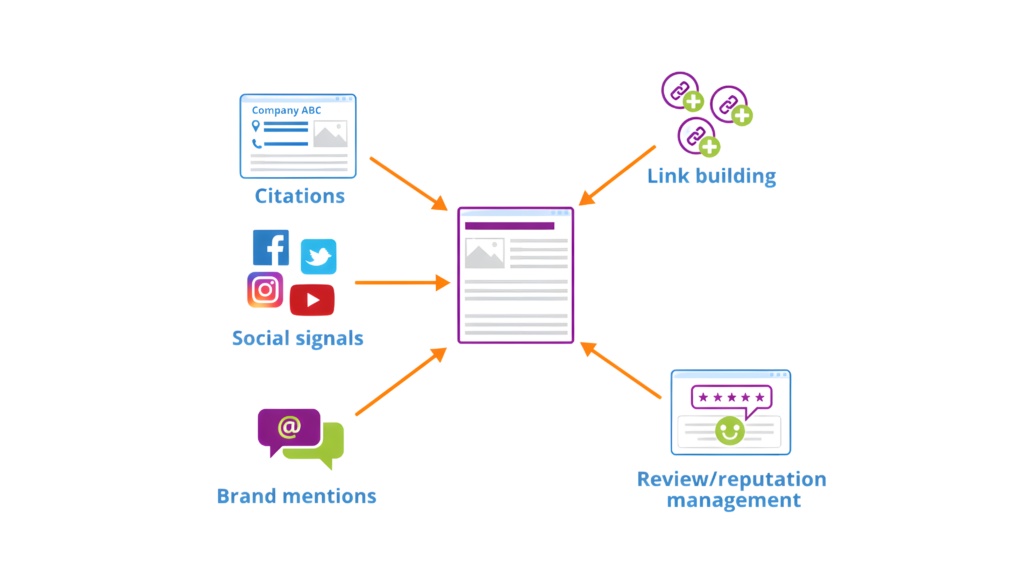
Backlinks act as powerful digital endorsements that help lifestyle ecommerce brands stand out in crowded marketplaces. Your brand’s unique aesthetic and values need strategic link building to reach the right audience, unlike generic online retailers.
The Role of Backlinks in SEO and Visibility
Search engines view backlinks as digital votes of confidence that substantially affect your lifestyle brand’s rankings. Your store gets a boost in trustworthiness and value when reputable websites link to it. The numbers tell the story – the top-ranking result on Google has 3.8x more backlinks than positions 2-10.
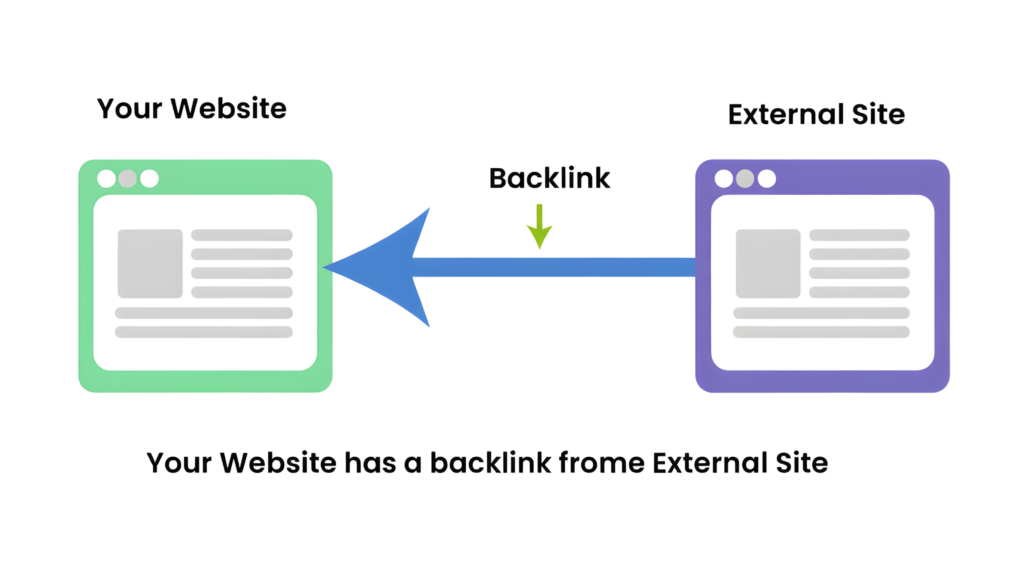
The visibility formula works simply yet effectively: quality backlinks boost search rankings and bring more organic traffic. Google spends more time analyzing your website through these backlinks, which helps it better understand your products and content.
But not every backlink carries the same weight. A single backlink from a respected site in your niche outperforms dozens of low-quality links. Let’s take a closer look at what matters:
- Authority – Industry leaders’ links pass more value to your store
- Relevance – Sites within your lifestyle niche send more qualified visitors
- Diversity – Different link sources show broader market acceptance
This visibility boost matters even more to lifestyle brands because it connects your products with people actively searching for your aesthetic, not just social media browsers.
How Links Influence Trust And Conversions
Trust becomes the deciding factor in purchase decisions, especially when shoppers can’t physically experience your products. Backlinks build this essential trust.
Your brand gains credibility through association with quality backlinks. A respected website’s link works like a recommendation to its audience. This digital vote of confidence makes visitors more likely to become customers.
Research backs this up—backlinks from trusted sources substantially improve conversion potential. Each quality backlink serves two purposes: it optimizes your SEO and builds a reputation that drives purchasing decisions.
On top of that, it brings targeted referral traffic. People clicking through from niche-specific websites already show interest in your lifestyle category, making them more likely to buy. These visitors prove valuable because:
- They know your niche already
- The referring site’s trust transfers to you
- They stay longer and engage more
This effect grows stronger, especially when you’re building communities around your products. Quality backlinks improve both immediate sales and long-term brand recognition that sets you apart from competitors.
Strategic link building promotes relationships within your industry. Working with websites, bloggers, or influencers creates connections that often lead to future strategic collaborations. These relationships strengthen your brand’s position in the lifestyle niche.
Laying the Foundation: Build a Link-Worthy Store
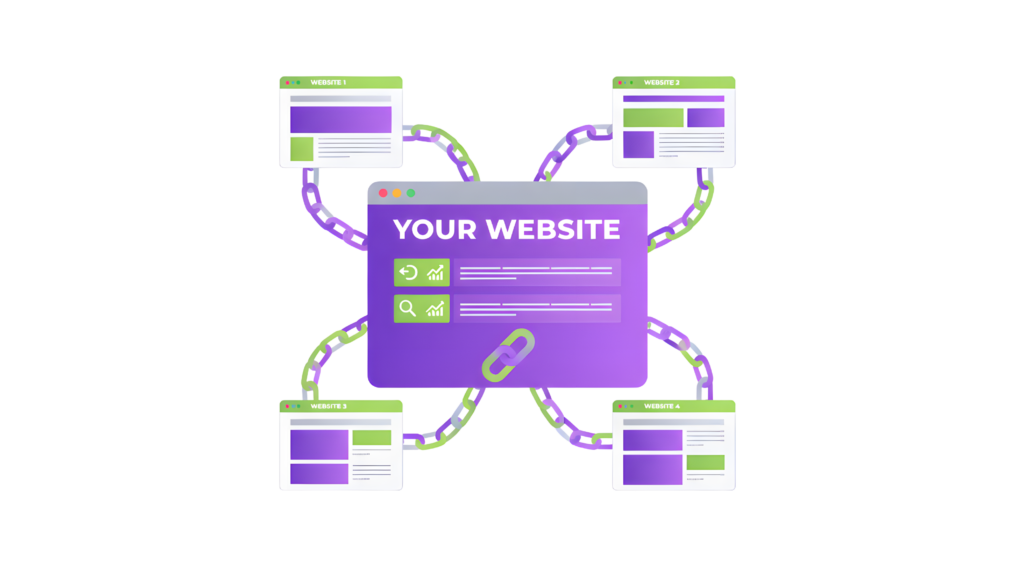
Your first task should be to build a website that naturally draws links before starting outreach campaigns. Websites that attract links don’t just happen – they need careful planning to become valuable resources others want to reference.
Optimize Your Product And Category Pages
Product and category pages form the core of your ecommerce site. They connect your homepage to specific items. These pages need optimization for customers and external sites that might link to them.
Start with a logical product catalog hierarchy that makes navigation easy. This helps users and search engines understand your site better. Clear, descriptive titles work better than “cute” category names that might puzzle new visitors.
Add useful extra content to category pages to help buyers make decisions. Quick answers to key questions below your H1 heading (around 30-60 words) can boost your ranking chances. Google’s John Mueller points out, “When ecommerce category pages don’t have any other content at all, other than links to the products, then it’s really hard for us to rank those pages”.
Customer reviews and ratings on category pages make a big difference. Data shows products with 50 or more reviews convert at a 4.6% higher rate than those without. This adds fresh content to your pages and helps buyers spot well-reviewed products quickly.
Create Helpful Content Hubs And Guides
Content hubs serve as central collections of detailed information about specific topics. Unlike regular blog posts, these complete resources show your expertise and attract natural backlinks.
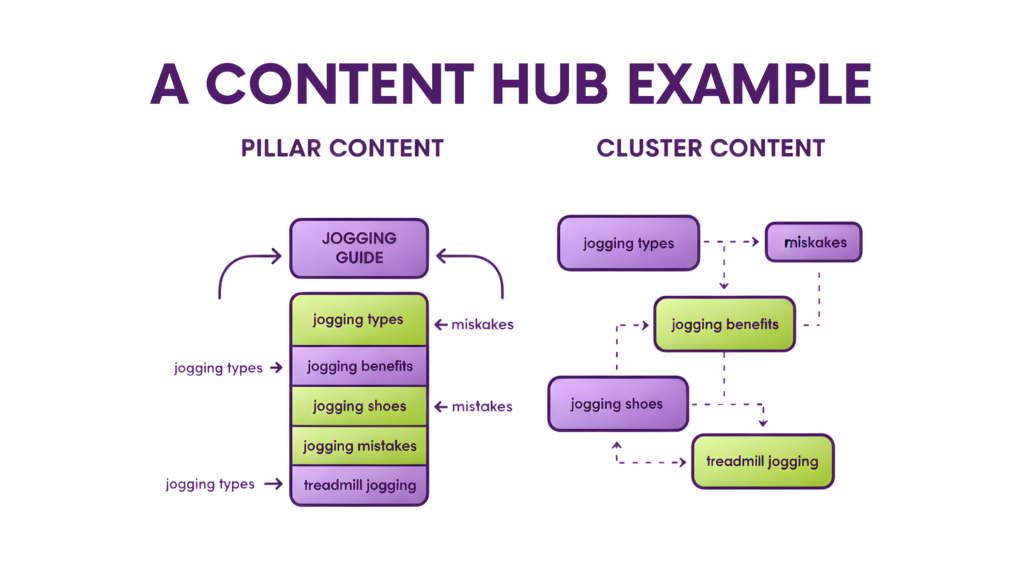
Content hubs come in several formats:
- Content libraries that offer many topics on a well-laid-out digital shelf
- Topic gateways that focus on one main subject with a high-level overview page
- Content databases that arrange large amounts of technical information
Your content hub needs a strategy that defines your audience and business goals. Look for keywords to arrange content in topic clusters. This helps your hub match search engines’ standards for topic relevance.
Content hubs work great as link magnets because they help you stand out from competitors. Most companies won’t spend time and resources to create excellent content hubs. This shows potential customers you care about giving real value.
Ensure Mobile-Friendliness And Fast Load Times
Load speed and mobile optimization affect your search rankings and conversion rates. Here’s a telling fact: ecommerce websites with a load time of one second see conversion rates of 3.05%, compared to just 1.08% at five seconds. Slow-loading pages could cost you two-thirds of your potential sales.
These factors matter most for page speed:
- Use a Content Delivery Network (CDN) for globally distributed static images
- Compress and optimize images and videos while keeping quality high
- Check and optimize your code regularly as you add features
Mobile optimization isn’t optional anymore. Google uses mobile-first indexing, which means it mainly uses your website’s mobile version for indexing and ranking. A mobile-friendly website adapts naturally to different screen sizes. It loads fast and lets users navigate without too much zooming or scrolling.
Speed and mobile-friendliness affect your rankings. Google rewards fast-loading sites worldwide, and mobile-optimized websites rank better in searches. Better technical aspects make your site more attractive to users and potential linkers.
This groundwork creates an ecommerce store that doesn’t just accept links – it deserves them from quality sources.
Audit and Plan: Set Up for Link Building Success
Your ecommerce SEO link building success starts with knowing where you stand right now. Just like planning a trip, you need a clear picture of your starting point before you can map the best path forward.
Use Tools To Audit Your Current Backlinks
A full backlink audit shows you opportunities and possible issues in your existing link profile. You should connect your site to specialized tools that give you detailed backlink data. Semrush offers an AI-based Toxicity score that reviews backlinks through more than 50 parameters. Ahrefs, on the other hand, focuses on backlinks with its Domain Rating (DR) score, which has become an industry standard.
Your audit should focus on:
- Quality indicators like Domain Authority scores
- Backlinks you’ve gained or lost lately
- Links that could hurt your rankings
Once you spot harmful backlinks, export them to a .txt file and disavow them through Google Search Console. This tells search engines to ignore these links when they evaluate your site, which protects your rankings from penalties.
Identify Your Most Linkable Pages
Not every page on your ecommerce store can attract links equally. Learning which content naturally draws backlinks helps you target your outreach efforts better.
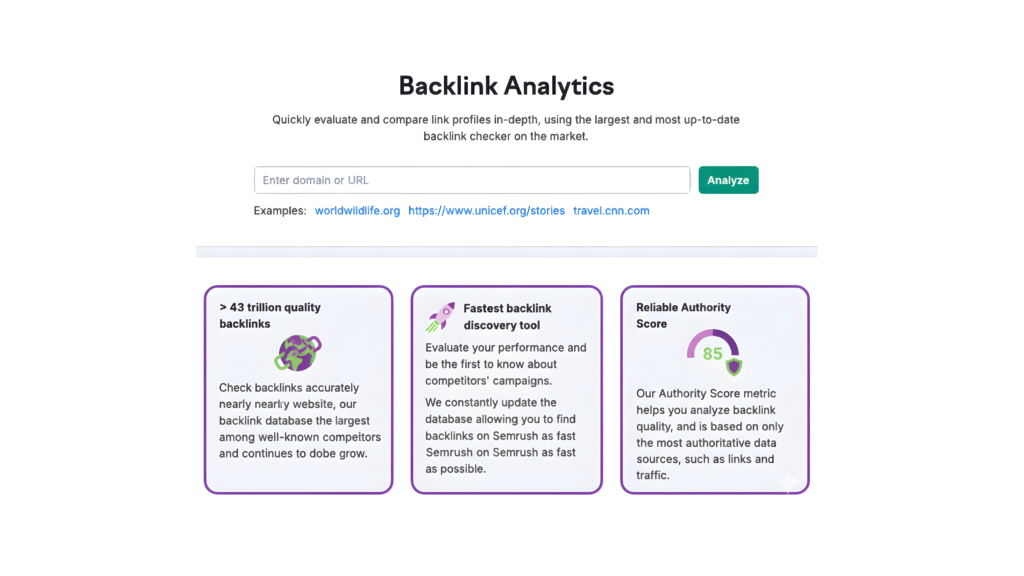
To find your most linkable content, look at which pages already get links using tools like Ahrefs or Semrush. Check the “Top Pages” tab filtered by “Linking Root Domains” to see pages with the most unique links. Look closely at pages that:
- Others reference for practical use
- Have original research or data
- Offer detailed guides or resources
- Show unique products with compelling stories
You can also use tools like BuzzSumo to see which content gets shared on social media and strikes a chord with your audience. This helps you figure out what content types you should create more to earn natural backlinks.
Set Clear KPIs Like Referral Traffic And Domain Authority
Link building needs measurable goals to stay on track. Clear key performance indicators (KPIs) create accountability and show real business results.
Referral traffic stands out as a significant metric. It shows visitors who find your site through non-ad links. Google Analytics helps you review metrics like engagement time, event count, and conversion rates from referral sources to see which backlinks bring quality traffic.
Domain authority is another key KPI, with 65% of marketers using it to measure link quality. This 1-100 scale shows how much search engine trust moves from linking sites to yours.
To get a full picture of your link building, track these extra KPIs:
- Number of referring domains (better than total backlinks)
- Backlink relevancy to your niche
- Placement rate (5-7% works well for outreach campaigns)
- Target keyword ranking changes
Links from sites in your industry often matter more, so give each linking domain a relevance score from 1-5. As you build authority, other businesses will start mentioning you in their content, which grows your digital presence through third-party endorsements.
Proven Ecommerce Link Building Strategies
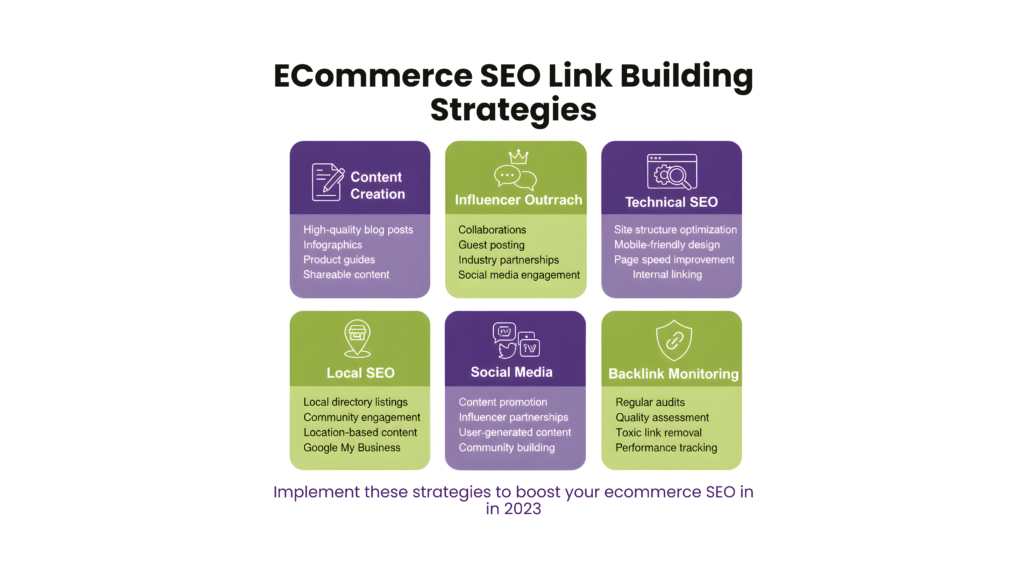
Your backlink audit insights can help you build quality links that boost your ecommerce site’s authority and visibility. Let’s look at some proven approaches that create a steady stream of quality backlinks.
Influencer Outreach And Product Reviews
Getting backlinks through influencer outreach works really well for ecommerce SEO. Rather than chasing social media mentions, you should secure permanent backlinks through genuine product reviews. Micro-influencers who have smaller but engaged audiences (10k-100k followers) often outperform celebrity influencers.
Here’s how to get successful product reviews:
- Pick relevance over reach – Find influencers whose audience matches your target customers
- Make it personal – Reference specific content from their blog or channel that you liked
- Show the value – Tell them why their audience would love your product
- Create lasting bonds – Stay professional in follow-ups and interact with their content
Research shows 93% of internet users buy based on online reviews, making this approach great for both links and sales. Note that authentic reviews work best—when influencers truly love your product, their endorsement carries more weight with audiences and search engines.
Guest Posting On Authority Niche Blogs
Guest posting still delivers great results when done right. The main difference lies in quality over quantity—you should write valuable content for relevant websites instead of churning out basic articles.
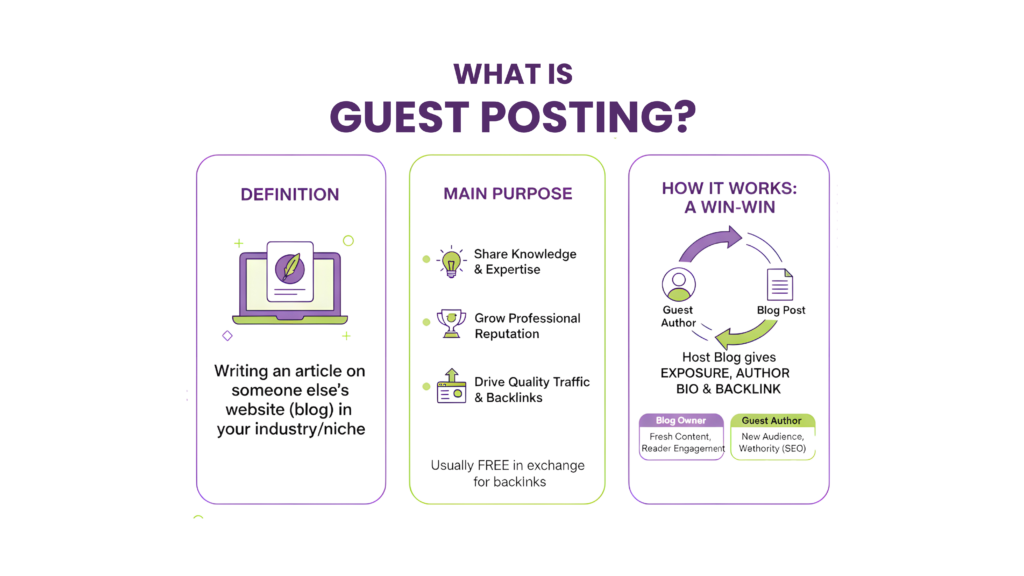
Here’s how to find good guest posting spots:
- Search Google with operators like “[your niche] + write for us”
- Look at where competitors post
- Review domain authority and traffic patterns before you pitch
Write about topics that connect to your products, industry trends, or practical advice. The best guest posts showcase your expertise while naturally linking to relevant pages on your site.
You should target sites with engaged readers rather than just high domain authority scores. Sites with steady organic traffic in your niche can bring qualified buyers to your store, not just SEO benefits.
Digital PR and Editorial Backlinks
Digital PR offers the quickest path to high-authority backlinks. This method creates content that journalists and bloggers want to share. SEO agencies spend 32.1% of their budget on link building, while in-house teams spend even more at 36.03%—showing how important quality links are.
A good Digital PR campaign needs:
- Newsworthy content – Create original research, customer surveys, or analytical studies about your industry
- Smart outreach – Connect with media outlets and journalists in your field
- Media relationships – Build connections with writers who cover your industry topics
A fitness lifestyle brand could survey workout habits and share results to attract coverage from fitness blogs, lifestyle magazines, and local news. These authoritative backlinks improve search rankings and bring targeted traffic while building credibility.
Google’s algorithm seems to value links from news giants like The New York Times or The Guardian. These editorial backlinks establish your expertise and create a link profile that’s hard to copy.
Content That Attracts Links Naturally
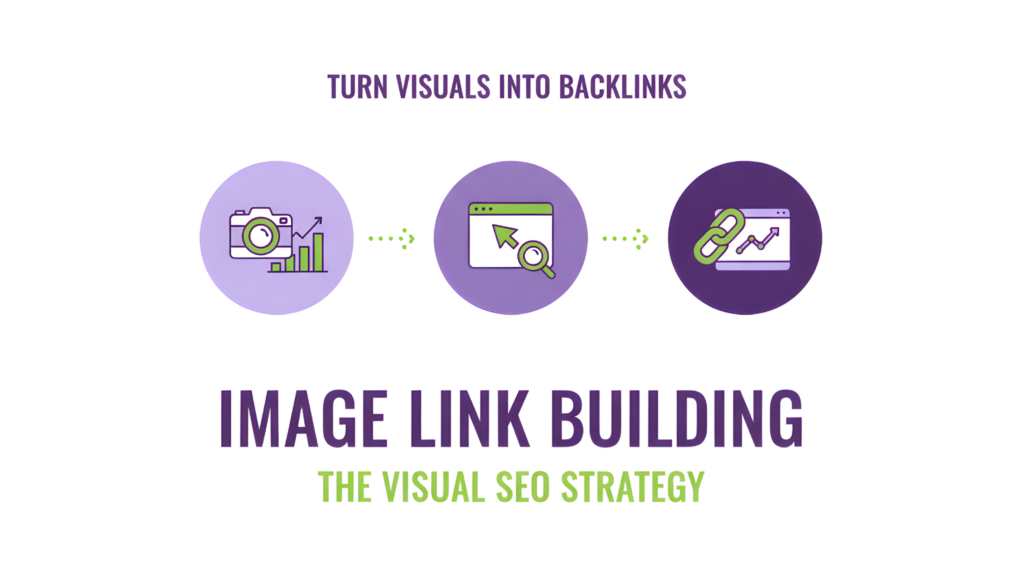
A sustainable ecommerce SEO link building strategy relies on creating content that naturally attracts links from other websites. This passive method works alongside your direct outreach and keeps generating backlinks after you publish.
Create Original Research And Infographics
Visual content gets significantly more links than plain text. Infographics stand out as 3x more likely to be shared compared to other content types. Their success comes from knowing how to:
- Break down complex ideas into clear visual formats
- Make technical information easier to understand
- Serve as reference material for journalists who need data
- Share easily on different platforms like emails, websites, and presentations
Your infographics will work better when you add embed codes that automatically create backlinks to your site. Share them on social media and submit them to infographic directories to get more exposure.
Publish Customer Success Stories
Customer testimonials turn basic case studies into engaging stories that attract both backlinks and customers. Great success stories showcase the customer’s experience and the real results your products deliver.
The best approach captures your client’s genuine voice through direct quotes instead of just listing outcomes. Show the before-and-after changes and add visual elements like headshots and company logos to build trust.
Success stories that get the most links answer key questions: What changed for the customer after using your product? Which obstacles did they beat? What numbers prove their success?
Build Interactive Tools Like Quizzes Or Calculators
Interactive tools rank among the most effective link magnets for lifestyle brands. Neil Patel’s research shows that tools consistently get more backlinks than other content types.
Ecommerce sites can create useful calculators that relate to their products. A paint store might offer a “Paint Coverage Calculator,” while furniture retailers could provide a “Room Layout Planner”. These tools help visitors solve problems and make your site essential.
The best interactive content gives personalized answers based on what users share and helps solve specific challenges. One success story shows how a dating quiz brought in over 3,500 leads for “The Professional Wingman,” proving its value for both links and leads.
Creating these three types of content builds a strong collection of link-worthy resources that keep attracting quality backlinks with minimal effort.
Leverage Technology to Scale Your Efforts
Technology multiplies the effectiveness of your ecommerce SEO link building efforts. The right tools help you complete tasks in hours instead of weeks.
Use AI to Find Link Opportunities
AI-powered tools streamline your link prospecting process. INSERT.LINK uses artificial intelligence to spot pages with relevant anchor texts. The tool provides relevance scores and content snippets that make evaluation quick. You can search by keyword to discover potential opportunities and filter results by domain authority, traffic volume, and other metrics for quality assurance.

SEObot makes your site structure better by analyzing content and creating strategic internal links. These tools take away the burden of manual research. You can spend more time building relationships instead of searching for prospects.
Automate Outreach With Personalization
Modern outreach automation tools match the quality of manual efforts. Respona pulls contextually relevant quotes from prospects’ online content. The tool creates genuine personalized emails that boost response rates substantially. Pitchbox helps create outreach templates with relevant phrases and subject lines.
B2B prospects need five follow-ups 80% of the time. You should set up automated follow-ups to address this need. The best practice involves running campaigns from multiple sender emails. Keep your daily email limit between 15-45 to maintain email health.
Track Competitor Backlinks And Fill Gaps
Link gap analysis shows which websites link to competitors but not to you. The logic is simple – sites that link to multiple competitors might link to you, too. The best opportunities come from sites that link to all your major competitors.
SE Ranking helps track new competitor backlinks added in the last month. This constant alertness lets you spot active link-building campaigns and adjust your strategy.
Conclusion
Becoming skilled at ecommerce SEO link building can turn your lifestyle brand from invisible to influential in the digital world. You’ve found why backlinks matter – they work as powerful trust signals that boost your rankings, build credibility, and drive qualified traffic to your store.
A successful link building strategy needs a strong foundation. Your website should be link-worthy with optimized product pages, helpful content hubs, and fast loading times. The best outreach strategies won’t work without valuable content worth linking to.
Link building works best as a long-term investment rather than a quick fix. Quality backlinks compound over time and create an edge over competition that rivals find hard to copy.
Your ecommerce brand’s visibility and authority need a boost? Strategic collaborations with experts who specialize in SEO and link building can maximize your results while you grow your business.
FAQs
Q1. Why is link building important for ecommerce lifestyle brands?
Link building is crucial for ecommerce lifestyle brands as it improves search engine rankings, increases visibility, and builds trust with potential customers. Quality backlinks act as digital endorsements, signaling to search engines that your content is valuable and trustworthy.
Q2. What are some effective link building strategies for ecommerce sites?
Effective link building strategies for ecommerce sites include influencer outreach for product reviews, guest posting on authority niche blogs, and digital PR campaigns to secure editorial backlinks. Creating linkable content like original research, infographics, and interactive tools can also attract natural backlinks.
Q3. How can I identify the most linkable pages on my ecommerce site?
To identify your most linkable pages, analyze which content already earns links using tools like Ahrefs or Semrush. Look for pages that serve a practical purpose, contain original research, provide comprehensive guides, or feature unique products with compelling stories.
Q4. What role does content play in attracting backlinks naturally?
Content plays a crucial role in attracting backlinks naturally. Creating valuable resources like original research, infographics, customer success stories, and interactive tools can make your site a go-to reference in your niche, encouraging other websites to link to you without active outreach.
Q5. How can technology help scale link building efforts?
Technology can significantly scale link building efforts through AI-powered tools for finding link opportunities, automated outreach systems with personalization capabilities, and competitor backlink tracking software. These tools help streamline processes, improve efficiency, and identify high-potential link prospects.
Leave a Reply