Most patients today – over 77% – search online for healthcare services before scheduling appointments. Your clinic’s position in local search results plays a vital role in patient choice, especially since modern healthcare seekers start their search online. Patient reviews matter tremendously – more than 73% of people read them before scheduling medical visits. Research shows patients naturally gravitate toward doctors who maintain a strong online presence. Healthcare local SEO helps optimize your clinic’s online visibility to reach patients in your area.
Google searches with “near me” have jumped 500% over the last several years. This makes proper SEO a significant factor for healthcare services. Patients looking for medical care in your area will book appointments more often with practices that show up on Google’s first page compared to those lacking online presence.
Your local SEO strategy can powerfully affect patient acquisition, regardless of your practice size – from small private clinics to large hospital networks. Here, we provide step-by-step guidance to boost your visibility among potential patients who search for healthcare providers like you.
Step 1: Claim and Optimize Your Google Business Profile
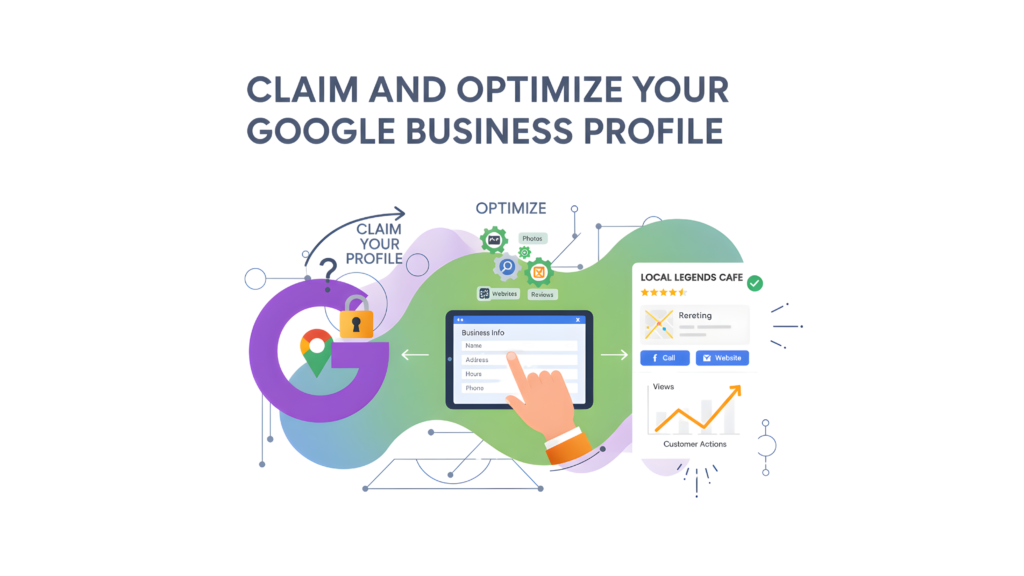
Google Business Profile (GBP) works as your healthcare practice’s digital front desk. Local patients now use Google Search and Maps to find medical services. This free tool helps you attract more patients to your practice. Businesses that fill out their profiles completely are 70% more likely to attract visits from potential patients.
Add Accurate Contact And Service Details
You should claim your existing profile or create a new one through Google Business Profile Manager. Look up your practice’s name and address to check if a listing exists. It’s better to claim an existing listing than create a duplicate. After verification, these elements need your attention:
- Keep NAP (Name, Address, Phone) consistent across all online platforms
- Pick a local phone number instead of a call center number
- Choose one primary category (like “Dental Clinic”) that best fits your practice, then add relevant secondary categories
- List your service information—focus on 5-7 key services your patients search for most
- Add booking links that take patients straight to your scheduling system
Accurate information builds patient trust. Google gives priority to complete, verified listings in local search results, which helps your healthcare local SEO perform better.
Upload Real Photos Of Your Clinic
Photos can influence patient decisions a lot, and Google now considers them in rankings. Here’s what works best:

- Add high-quality images of your clinic’s exterior, waiting areas, and treatment rooms
- Show photos of your healthcare team to help patients feel more comfortable
- Make sure your images meet Google’s requirements: JPG/PNG format, 720px resolution, and 10KB-5MB size
- Real photos work better than stock images—Google might reject stock photos, and patients prefer authentic ones
Use Healthcare-Specific Keywords In Your Description
Your business description shows up right below your business name and should show your practice’s value clearly. You get 750 characters, so make them count by:
- Using local healthcare keywords (e.g., “family dental care in Chicago”)
- Stating your specialties, treatments, and unique services clearly
- Showing what makes your practice special, like advanced equipment or treatment methods
- Explaining complex medical services in simple terms that patients understand

A well-optimized Google Business Profile is the lifeblood of effective SEO for healthcare services. It connects patients with your practice right when they need you most.
Step 2: Build Local Authority with Reviews and Citations
Your Google Business Profile needs strong management of patient feedback and business listings. 90% of patients use online reviews to assess physicians, and 80% trust these reviews as much as personal recommendations.
Ask Happy Patients For Reviews
The right timing makes a big difference when asking for reviews. Your patients should give feedback right after a positive experience. Their satisfaction stays fresh in their minds. Here are some tested methods:
- Send automated follow-up messages with direct links to your preferred review platforms
- Help your staff spot satisfied patients and ask for reviews during checkout
- Add QR codes on receipts that link to review sites
- Connect with patients who gave high ratings on satisfaction surveys
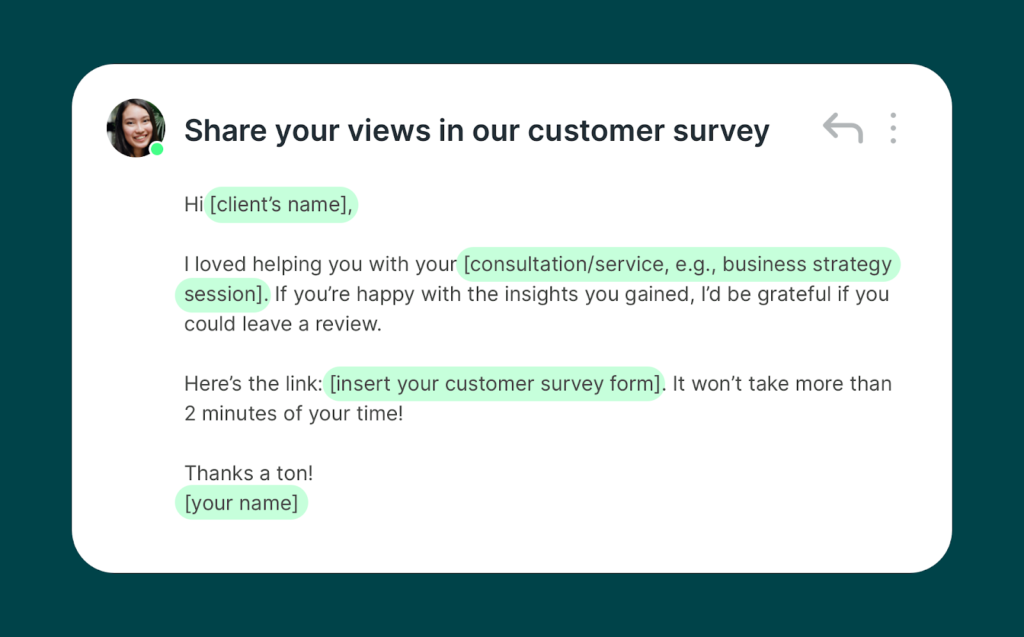
Practices that become skilled at getting reviews see a huge jump in appointment requests based on their online reputation.
Respond To All Reviews Professionally
Review responses build trust – you can’t skip them. 88% of people choose providers who respond to reviews. Here’s how to write good responses:
- Protect your patient’s privacy and follow HIPAA rules
- Thank everyone for their feedback – good or bad
- Handle concerns using company policy without getting defensive
- Write brief responses and share contact details to continue discussions offline
Your responses should come within 24-48 hours. Quick replies show you care about patient experiences.
Ensure NAP Consistency Across Directories
Your practice’s Name, Address, and Phone number (NAP) must match everywhere online to show up in local searches. 41% of businesses show inconsistent listings. This hurts their rankings.
The numbers tell the story: 74% of patients check a healthcare provider’s NAP details before booking. 80% of consumers don’t trust businesses with mismatched contact information online.
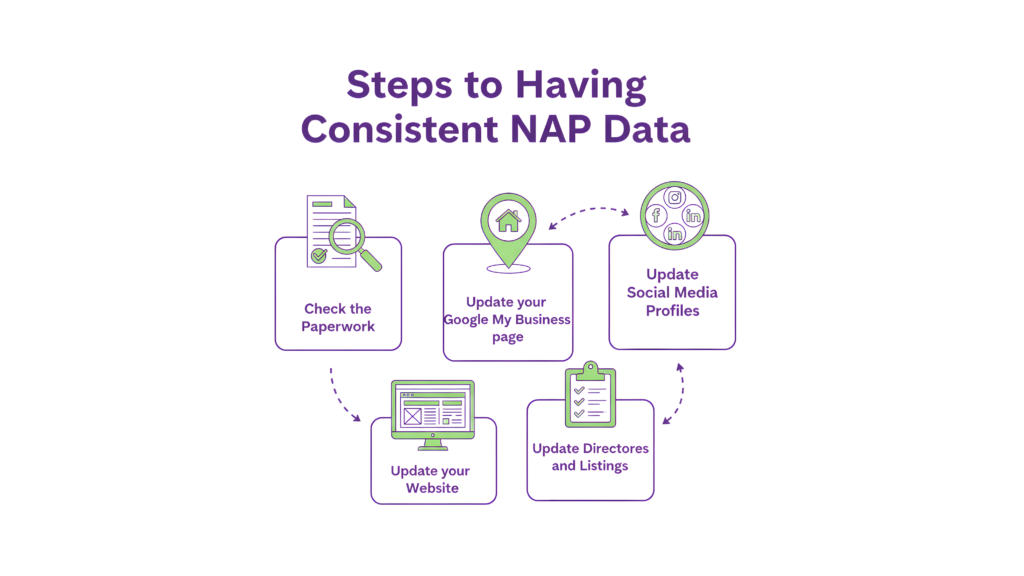
Check your listings often on healthcare sites like Healthgrades, WebMD, and ZocDoc, plus general business directories. Update all platforms right away when your practice information changes. This helps maintain search visibility and patient trust.
These methods will boost your healthcare local SEO and build vital trust signals that search engines and potential patients value.
Step 3: Create Localized Content That Converts

Local patients connect better with healthcare content that speaks to their specific needs. Your practice can become a trusted community resource by creating content that targets your geographic area.
Write Blog Posts On Local Health Concerns
Your practice gains local authority through content that focuses on regional health issues. Research shows that 68% of patients are more likely to return to providers who give educational materials. Here’s what works best:
- Create “Guide to [Treatment] in [City]” posts that tackle community-specific concerns
- Showcase seasonal health trends in your area (spring allergies, winter flu outbreaks)
- Tell anonymized success stories from your local community
Use City And Neighborhood Names In Content
Your visibility in “near me” searches grows substantially when you add location-specific keywords throughout your content. Patients rely more on Google to find local health information. Your strategy needs to:
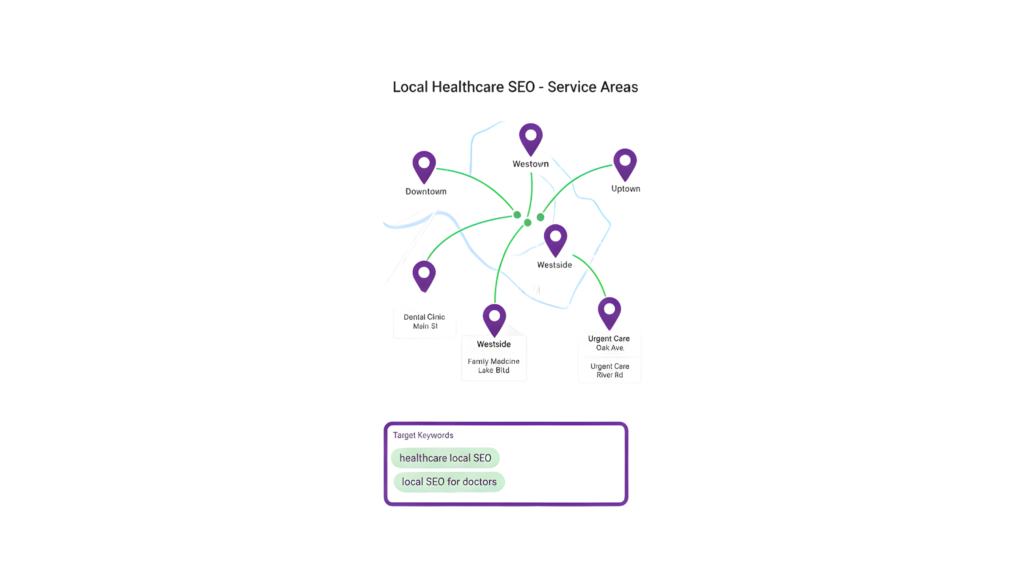
- Add location terms naturally in titles, introductions, and conclusions
- Build dedicated landing pages for each neighborhood you serve
- Put driving directions and local landmarks on your service pages
Add FAQs Based On Patient Search Behavior
Patients leave their appointments with questions 66% of the time. These questions turn into search queries. FAQ sections that address these concerns:
- Make your content more relevant to patients’ needs
- Help you get featured snippets in search results
- Show patients your practice cares about thorough answers
Your localized content should focus on cultural awareness, factual information, and real local health concerns. This strategy helps your healthcare local SEO and builds lasting connections with future patients in your community.
Step 4: Track, Improve, and Partner with Experts

Your healthcare local SEO success depends on measuring and refining your strategy continuously. Local SEO experts agree that you just need to keep monitoring and adjusting your approach to stay ahead in your market.
Use Tools To Monitor Local Keyword Rankings
Your clinic’s position in local search results can tell you a lot about your SEO effectiveness. These tools are a great way to get these benefits:
- See your rankings in different locations within your service area through geo-grid tracking
- Spot neighborhoods where your practice could do better
- Keep an eye on how your competitors rank for keywords in your markets
- Watch daily ranking changes and react quickly to algorithm updates
75% of businesses using local rank tracking tools see significant improvements in search rankings. Many successful healthcare practices now use Google Analytics to measure their website performance and understand user behavior.
Fix Slow-Loading Or Non-Mobile-Friendly Pages
Your website’s performance affects user experience and search rankings directly. Here’s what you should do:
Start by checking your current performance with free tools like Google Lighthouse or Cloudflare Observatory. Then work on Core Web Vitals—these metrics affect patient experience and search rankings significantly
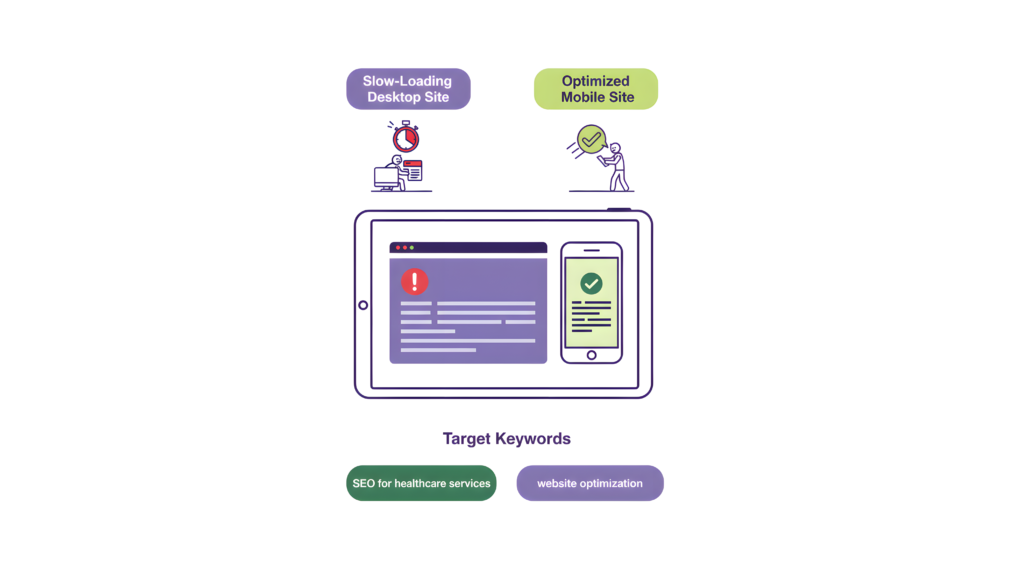
Slow websites make visitors leave quickly, which hurts your SEO rankings. You can speed up your site by optimizing images, using browser caching, and cleaning up unnecessary code.
Why Choose Rankfast For Healthcare Seo Services
Let professionals handle your digital presence with healthcare seo services while you focus on patient care. Rankfast brings you:
- Informed analysis to find content gaps and technical issues
- Complete optimization from images to mobile responsiveness
- Regular updates on your SEO progress
- Deep healthcare industry knowledge that covers compliance requirements
Conclusion
Local healthcare SEO plays a vital role in growing your medical practice in today’s digital world. This piece shows how you can build strong local visibility by claiming and optimizing your Google Business Profile. Patient reviews and consistent business listings help you build trust with people actively looking for care.
Your local content strategy speaks directly to patients in your community and makes your practice their trusted healthcare resource. Successful healthcare SEO needs constant monitoring because search algorithms and patient behaviors keep changing. What works today might need updates tomorrow.
Want to improve your healthcare practice’s online presence? Rankfast offers healthcare local SEO services designed for medical practices like yours. They make use of information to boost your visibility and help you reach more patients in your service area. You can focus on delivering great care while their team manages your digital presence.
FAQs
Q1. How can healthcare providers improve their local search visibility?
Healthcare providers can improve local search visibility by optimizing their Google Business Profile, ensuring consistent business information across online directories, generating positive patient reviews, creating localized content, and regularly monitoring and improving their website’s performance.
Q2. Why is local SEO important for medical practices?
Local SEO is crucial for medical practices because it helps them appear prominently in search results when patients look for healthcare services in their area. This increased visibility can lead to more patient appointments and practice growth.
Q3. What role do patient reviews play in healthcare local SEO?
Patient reviews are crucial for local healthcare SEO, as they help build trust and credibility. Over 90% of patients use online reviews to evaluate physicians, and responding to these reviews professionally can significantly impact a practice’s online reputation and search rankings.
Q4. How can medical practices create effective localized content?
Medical practices can create effective localized content by writing blog posts about local health concerns, incorporating city and neighborhood names into their content, and including FAQs tailored to patient search behavior. This approach helps establish the practice as a trusted local healthcare resource.
Q5. What are some key factors in optimizing a Google Business Profile for healthcare providers?
Key factors in optimizing a Google Business Profile for healthcare providers include adding accurate contact and service details, uploading real photos of the clinic, using healthcare-specific keywords in the description, and ensuring NAP (Name, Address, Phone) consistency across all online platforms.
Leave a Reply