
Real estate SEO for brokers matters more than ever today. Over 97% of homebuyers begin their property search online. Your future clients don’t just browse—they actively search for properties and professionals nearby. The numbers show 84% of consumers look for local businesses online daily.
Missing from these searches means losing valuable opportunities. The top search result gets about 25% of total clicks. This competitive digital world makes professional real estate SEO services crucial to remain competitive. Your online visibility can dramatically improve with proper SEO, regardless of whether you run solo or manage a brokerage team.
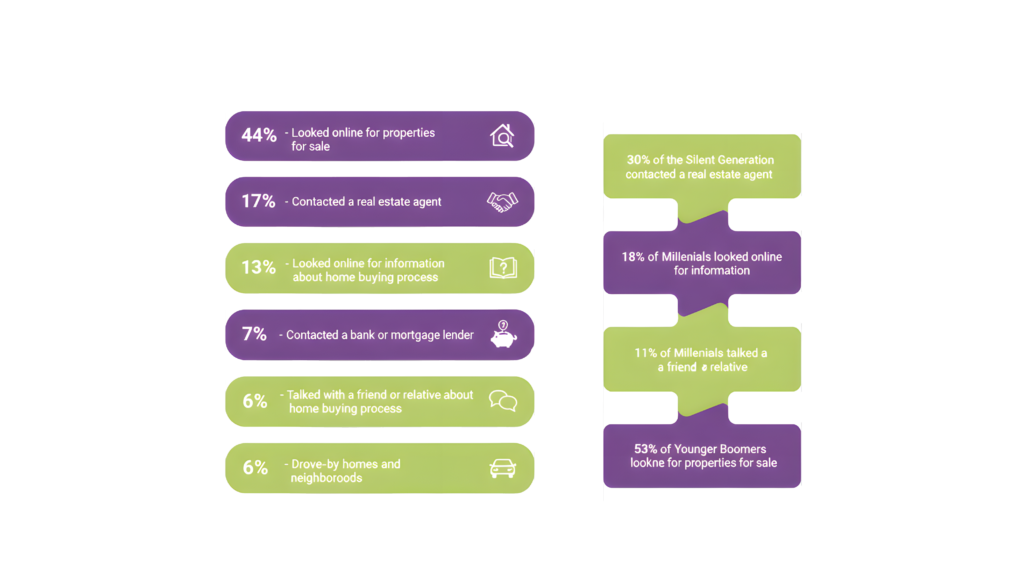
Modern property seekers type specific location-based keywords such as “homes for sale in Chicago” or “real estate agents near me” to find properties and agents. Mobile devices play a huge role—69% of homebuyers use phones or tablets during their search. This piece outlines 11 practical strategies to lift your local search presence and help you connect with qualified leads through a complete, mobile-friendly digital strategy.
- Audit Your Website and Competitor Landscape
Getting your real estate SEO for brokers right starts with a full picture of your digital presence. You need to know where you stand and what your competitors do well before trying new strategies. This knowledge will inform your future optimization efforts.
Audit Tools For Real Estate SEO
Your website audits need specialized tools to spot hidden issues that affect rankings. Ahrefs [link_1] stands out as a comprehensive solution that SEO professionals use daily to analyze backlinks, keyword rankings, and competitor strategies. Rankability helps you find long-tail keywords that work perfectly for real estate seo for brokers listings and neighborhood pages.
Google’s free suite of tools is vital for any broker who takes SEO seriously:
- Search Console identifies issues affecting your search rankings
- Analytics tracks visitor behavior and conversion rates
Your technical audits need tools like Screaming Frog SEO Spider. It crawls your website to find broken links and duplicate content that might hurt your performance.
Common SEO Issues for Real Estate SEO for Brokers

Real estate websites don’t deal very well with keyword-related problems. Smart brokers target local and long-tail keywords with less competition but higher conversion rates instead of broad terms like “real estate” or “luxury homes”.
There’s another reason why sites struggle – keyword stuffing. When you overuse phrases like “affordable Miami apartments,” your content becomes unreadable, and search engines will penalize you. It also hurts your local SEO when NAP (Name, Address, Phone) details don’t match across platforms, which confuses users and search engines alike.
Brokers often skip meta descriptions and title tags—key elements that boost click-through rates from search results. Your SEO value drops when duplicate content from similar listings appears on multiple pages because search engines can’t decide which content to prioritize.
Benchmarking Against Competitors
The largest longitudinal study analyzed 925 Real Estate websites across key metrics. Your site should meet these industry standards:
- On-page optimization (title tags, meta descriptions)
- Content quality and relevance
- Technical health (site architecture, crawlability)
- Mobile responsiveness (a vital factor, as 69% of homebuyers use mobile devices)
- Page speed (pages loading under 3 seconds)
Look at what appears on your competitors’ homepage, property descriptions, technology implementation, and content strategy. Tools like Ahrefs and Moz show organic traffic and domain authority patterns that might reveal keyword opportunities you haven’t targeted yet.
- Master Local Keyword Research
Keyword research forms the foundation of any successful strategy for real estate SEO for brokers. Your potential clients’ exact search terms can dramatically boost your online visibility and conversion rates.
Types Of Real Estate SEO Keywords
Real estate SEO for brokers works best when you understand different keyword categories:
- Location-based keywords include city, neighborhood, or zip code specifications like “homes for sale in Austin, TX” or “real estate broker in Chicago”. These boost your visibility in specific markets and help target local clients.
- Transactional keywords signal purchase intent, such as “homes for sale,” “property valuation,” or “mortgage rates”. Users who search these terms are ready to take action.
- Informational keywords tackle questions potential clients have about the buying or selling process, like “steps to buying a home”. These terms help establish your expertise, even if they don’t convert immediately.
- Property type keywords focus searches on specific offerings—”single-family homes,” “luxury condos,” or “investment properties”.
Tools For Keyword Discovery
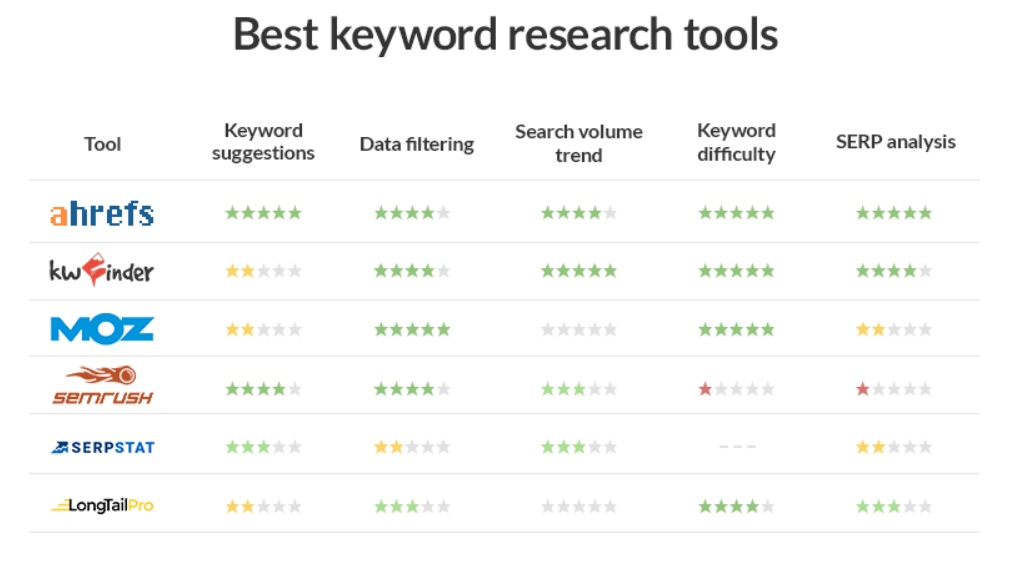
You can tap into the full potential of keywords with several powerful tools:
Google’s free resources are a great way to get insights—start with search autocomplete suggestions and “People Also Ask” sections to gather your original keyword ideas. Google Keyword Planner helps refine your list with search volume data and competition metrics.
Specialized tools offer a more complete analysis. Ahrefs and SEMrush help you find competitor keywords and untapped opportunities. WordStream and Term Explorer excel at creating long-tail keyword variations. Keyword Surfer, a free Chrome extension, displays estimated search volume right in your browser.
Using Long-Tail And Location-Based Terms
Long-tail keywords contain three or more words and target specific search queries. These phrases might have lower search volume but attract highly qualified leads who know what they want.
Long-tail keywords also face less competition from real estate giants like Zillow and Realtor.com. A search for “single-level plantation-style home with infinity edge pool and ocean view” shows serious intent—and you’ll compete with fewer websites for that search.
Hyper-local, specific terms yield better results than broad keywords. Your website should target “single-family homes in the north Burbank area” instead of “USA real estate” to attract motivated buyers.
Note that approximately 70% of Google searches use long-tail keywords. Content built around these specific phrases helps you capture qualified traffic that major portals often overlook.
- Optimize Your Google Business Profile
Google Business Profile (GBP) shows up before your website in search results and creates that vital first impression for potential clients. The stats speak for themselves – businesses with complete GBPs are viewed as 2.7 times more reputable, and people are 70% more likely to visit businesses that have detailed profiles.
Setting Up Your GBP
The setup process starts at business.google.com – you’ll need your business email to get going. Match your business name exactly to your branding materials. Real estate agents should think over names like “Jane Smith | Austin Realtor”. Pick either “Real Estate Agency” or “Real Estate Agent” as your main category based on your business type.
Phone or video verification works fastest for getting your profile approved. Postal verification might keep you waiting for weeks. Your verified status lets you control your business information and use all GBP features.
GBP Optimization Tips For Brokers

Your NAP (Name, Address, Phone) needs to match everywhere online. This helps Google trust your listing and boosts your local search rankings. You can add relevant secondary categories like “Commercial Real Estate Agency” when it fits, but keep the list focused.
The numbers tell the story – businesses with more than 100 images get 2,717% more direction requests and 520% more calls than average. Quality photos of your office, team, and properties make a real difference. The profile also lets you add helpful attributes like “Wheelchair accessible entrance” or “LGBTQ+ friendly” to help the right clients find you.
Your business description gives you 750 characters to show what makes your brokerage special. The first 250 characters matter most since they show up right away.
GBP Posting Strategy
Google Posts work like mini-blogs on your GBP and show Google your business stays active. The first 7-15 words grab attention in search previews, so make them count.
Mix up your post types with:
- Property highlights with quality images
- Market updates with relevant statistics
- Community events and neighborhood guides
- Client success stories (with permission)
Weekly posts keep you visible since they last seven days. Clear calls-to-action like “Learn more” or “Call now” help turn viewers into leads.
Client reviews build trust. Thank people for positive feedback and handle any concerns professionally. This shows potential clients you care about their satisfaction.
- Create Hyper-Localized Content
Hyper-localized content is the lifeblood of successful real estate SEO for brokers that positions you as the go-to neighborhood expert. Google recognizes your site’s relevance in specific areas, and potential clients trust your expertise more.
Neighborhood Guides And Blogs
Neighborhood guides prove your expertise and give great value to future clients. These complete resources show buyers what life looks like in a particular area and prove to sellers that you know how to market their community. Your guides should include demographics, amenities, transportation options, and real estate market trends.
A well-structured guide needs clear sections: area overview, lifestyle features, real estate trends, local amenities, and resident testimonials. Quality images and professional photography make your content more credible and visually appealing.
Localized Landing Pages
Each area with your listings needs its own landing page to catch targeted search traffic and boost conversions. These pages should tell the neighborhood’s story with specific details about schools, amenities, and community features.
Sotheby’s International Realty has made use of localized landing pages to get more qualified leads. Their pages feature location-specific offers, vibrant property images, clear conversion points, mobile optimization, and easy-to-find contact information.
Content Ideas For Real Estate SEO
Your hyper-local content should go beyond neighborhood guides with these tested formats:
- Market updates: Share monthly or quarterly statistics about your city or region
- Local events coverage: Write about community events, new developments, or zoning changes
- Local business showcases: Tell local business owners’ stories and their community impact
- Seasonal home maintenance tips: Feature local hardware stores or service providers
- Hidden gem spotlights: Share stories about lesser-known local parks, trails, or historical sites
This strategy helps you become a true community figure. The hyperlocal approach creates deeper connections through shared experiences and local knowledge. Remember, clients want an agent who truly understands their specific market.
- Build and Manage Online Reviews

Online reviews are powerful trust signals that boost your real estate business’s search visibility and help you acquire more clients. A study shows 91% of consumers use reviews to assess local businesses. Your online reputation management has become crucial in real estate SEO for brokers.
How Reviews Affect Local SEO
Review signals contribute about 9% to local pack ranking factors. These signals are one of the most important drivers of search visibility. Properties ranked at the top of Google local positions average 404 reviews, while those in positions three through five average 281. The numbers look even better when ratings jump from 3 stars to 5 stars, increasing clicks by 25%.
Your search rankings depend on review volume, recency, keywords, and ratings. Companies that receive more than 9 recent reviews earn 52% more revenue. The numbers soar to a 108% increase for businesses with 25 or more reviews. Reviews that mention specific locations or services also help you rank better for those targeted keywords.
Best Practices To Collect Reviews
The right timing makes a difference when you ask for reviews. Your clients feel excited about their new home right after a successful transaction – that’s the perfect time to ask for feedback. You can make this process simple by:

- Sending customized review request links through email or text
- Keeping questions short and straightforward
- Following up if you don’t see a review within a few weeks
- Using tools like SurveyMonkey or Google Forms to make the collection easier
Google’s policies prohibit offering incentives for reviews. Instead, let clients know how their feedback helps future homebuyers make better decisions.
Responding to Reviews Professionally
Your conversion rates improve by 4.1% for every 25% of reviews you answer. The numbers show that 65% of consumers prefer businesses that involve themselves with their reviews. Quick responses within 24-48 hours matter. Address reviewers by name and mention specific details from their feedback.
Negative reviews need a calm and professional approach. Show that you understand the client’s concerns, apologize for their dissatisfaction, and suggest continuing the conversation privately. This strategy shows your customer service quality while protecting your reputation.
Note that 30% of potential clients check how you respond to reviews before they decide to work with you. Each thoughtful response demonstrates your professionalism and steadfast dedication to client satisfaction.
- Ensure NAP Consistency Across Directories
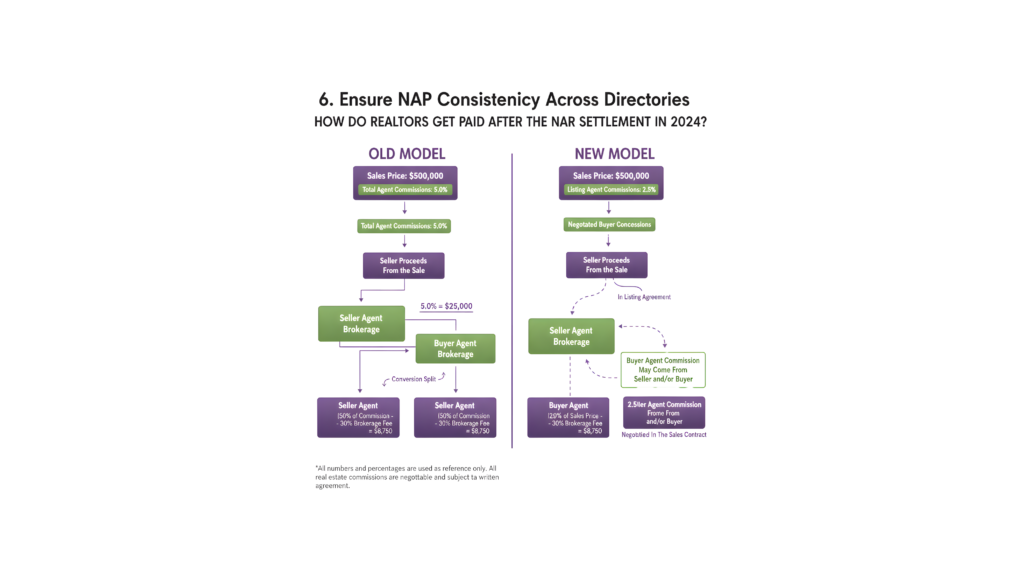
Consistent business listings in directories are the foundations of any successful local real estate SEO strategy. Your brilliant optimization efforts might not help your search rankings without proper citation management.
What is NAP In Real Estate SEO
NAP stands for your business’s Name, Address, and Phone number. These fundamental identity details show up in online directories, websites, and search engines. Search engines use these elements as trust signals to verify your brokerage’s legitimacy.
Your NAP details need similar formatting on all platforms. Small differences like writing “Street” instead of “St.” can hurt your local search rankings. Search engines cross-reference your NAP data through hundreds of citations to make sure your business is genuine.
But don’t worry – every character doesn’t need to match perfectly. Search engines can figure out common abbreviations and formats.
Tools To Manage Citations
You’ll need specialized tools to manage citations effectively. BrightLocal, Moz Local, and Yext let you track and update your NAP details on multiple platforms from one dashboard. These tools help you spot inconsistencies that could damage your search rankings.
Here’s how to keep your NAP consistent:
- Create a master NAP document as your reference
- Check your citations regularly to find any differences
- Fix inconsistencies on important platforms first
- Update all platforms right away when your contact details change
Keeping your NAP information consistent doesn’t just help your SEO. Your potential clients will always have the right contact information, which makes for a better experience. This simple approach to managing citations helps establish your brokerage’s authority in the digital world.
- Implement On-Page SEO for Listings and Pages
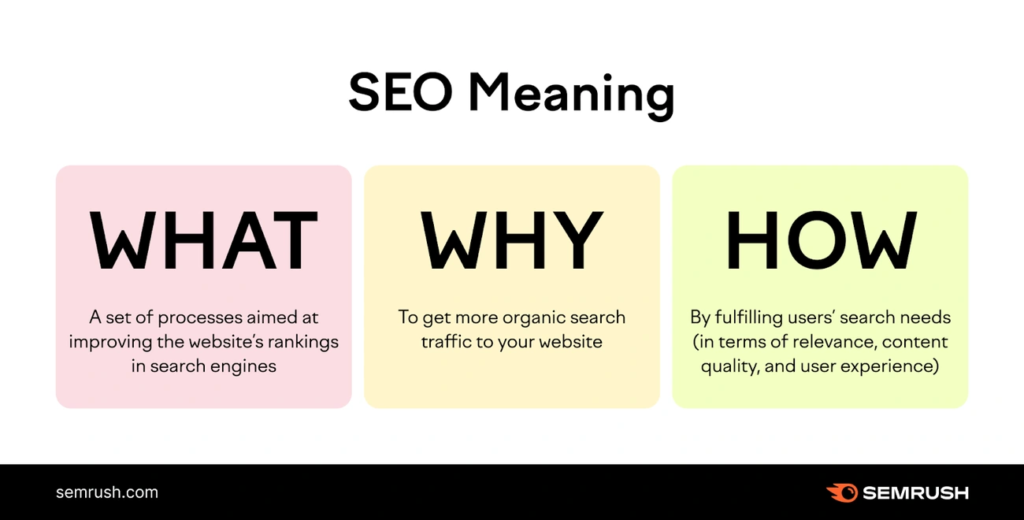
Good on-page SEO turns your real estate listings from simple property ads into powerful search magnets. Each listing page gives you a chance to attract qualified leads through strategic optimization.
Optimizing Title Tags And Meta Descriptions
Title tags create your listing’s first impression in search results and need careful crafting. Your real estate titles should have property type, location, and standout features while staying under 60 characters. “4BR Colonial Home with Pool – Georgetown, DC” uses valuable keywords and remains readable.
Meta descriptions serve as mini-advertisements beneath your title and convince prospects to click through. They don’t directly affect rankings, but compelling descriptions improve click-through rates and boost your SEO indirectly. Your descriptions should:
- Stay between 120-155 characters
- Have your focus keyword naturally placed
- Feature a clear call-to-action like “Schedule a viewing today”
- Showcase unique property features or neighborhood benefits
Using Schema Markup For Listings
Schema markup gives search engines structured property data that can generate rich results with photos, prices, and key details. The RealEstateListing schema type helps search engines understand property listings better with properties like datePosted and leaseLength.
The SingleFamilyResidence schema works best for single-family homes. It has properties for the number of rooms, the number of bathrooms, floor size, and other vital listing details. Schema.org’s Validator helps you ensure error-free implementation.
Internal Linking Strategies
Internal linking builds your content ecosystem. It shows search engines how pages relate to each other and helps visitors find relevant information. Your real estate website needs a well-laid-out linking strategy.
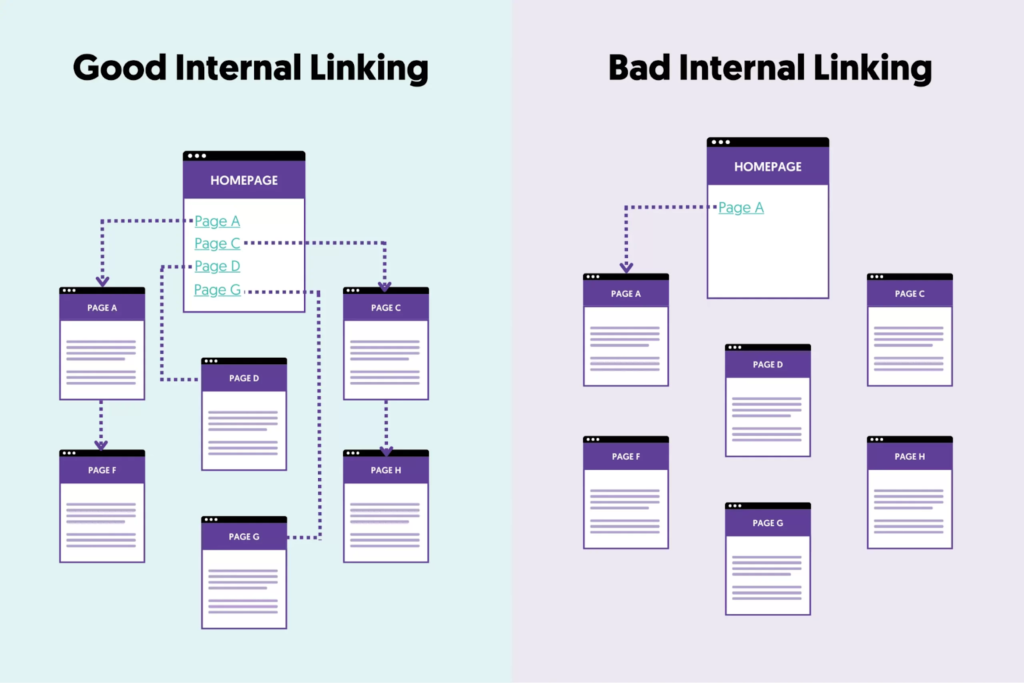
Neighborhood guides should link to relevant property listings. Market update blogs need connections to area-specific landing pages. Your content should use descriptive anchor text like “homes for sale in Downtown” instead of generic “click here” phrases.
Internal links keep visitors on your site longer and improve metrics like dwell time that boost search rankings. This natural navigation creates a better user experience and strengthens your site’s architecture.
- Improve Mobile Responsiveness and Page Speed
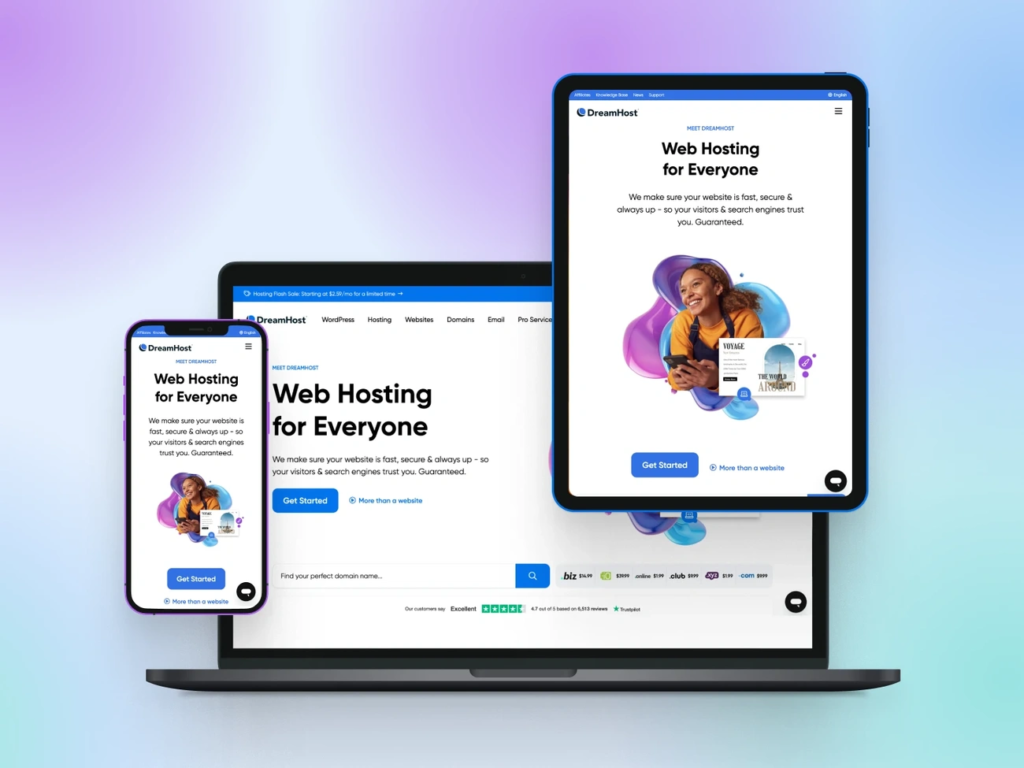
The digital world of real estate shows how mobile performance determines online success. Statistics reveal that mobile devices now handle over 75% of real estate searches. Your site’s responsiveness plays a crucial role to capture leads.
Why Mobile SEO Matters For Realtors
Google explicitly prioritizes mobile-friendly websites in search results. Mobile-first indexing affects how you reach potential clients. User behavior shows a clear pattern – 53% of mobile visitors leave websites that load slower than three seconds. This quick exit means missed opportunities. Prospects who can’t view your listings won’t become clients.
Tools To Test Mobile Performance
These reliable tools help you check your site’s mobile readiness:
- Google PageSpeed Insights gives performance scores and specific ways to improve
- GTmetrix analyzes loading times for various elements including images and scripts
- Mobile-Friendly Test shows a simple pass/fail verdict with applicable recommendations
You should monitor metrics like bounce rate, time on page, and conversion rates for mobile users to spot problematic pages.
Quick Fixes For Speed
These proven strategies will boost your site’s performance:
- Optimize images with TinyPNG or JPEGmini to reduce file size while maintaining quality
- Simplify your design elements by removing unnecessary features to speed up loading
- Make use of browser caching to store website data locally, which speeds up visits
- Think about using a CDN (Content Delivery Network) to serve content from nearby servers
Note that mobile users value speed above all—a one-second improvement in load time can boost conversions by 27%.
- Leverage Video Content for Local SEO
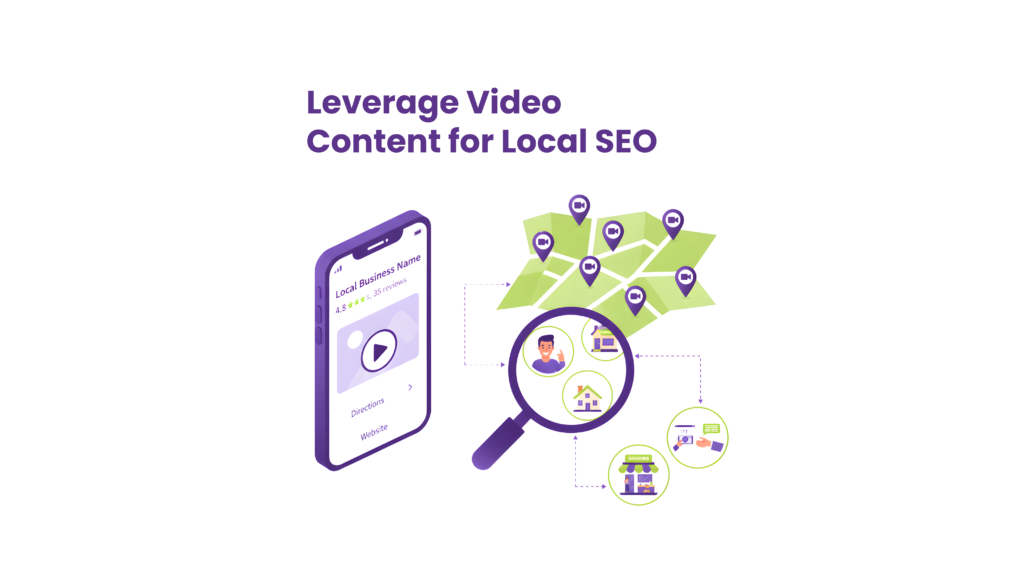
Video content has emerged as a crucial tool in real estate marketing. Research shows that 96% of consumers prefer to learn about products through videos. Well-optimized video content gives your brokerage an edge in local search results.
Types of Videos To Create
Property buyers need complete visual information. The numbers tell an interesting story – while 40% of buyers use video sites during their property search, agents use videos in just 12% of listings. Here are some effective video types you can create:
- Property tours and walkthroughs that showcase your listings’ unique features
- Neighborhood highlight videos to capture local amenities and community events
- Client testimonials to build trust (82% of customers make a purchase decision after watching testimonials)
- Agent introduction videos to share your expertise and personality
- Market update videos to highlight your local knowledge
Optimizing Videos For Search
Your videos need relevant keywords in titles, descriptions, and tags to maximize visibility. Search engines understand your content better when you add transcripts or captions. Schema markup helps search engines identify videos and display them with thumbnails in search results.
Where To Publish Your Videos
Your website should be the central hub for video content. Videos embedded in property listings improve viewer experience. YouTube leads the pack as the most effective platform – 78% of marketers agree. You can broaden your reach through Instagram, Facebook, and LinkedIn, since each platform connects with different audience segments.
- Use Structured Data and Schema Markup
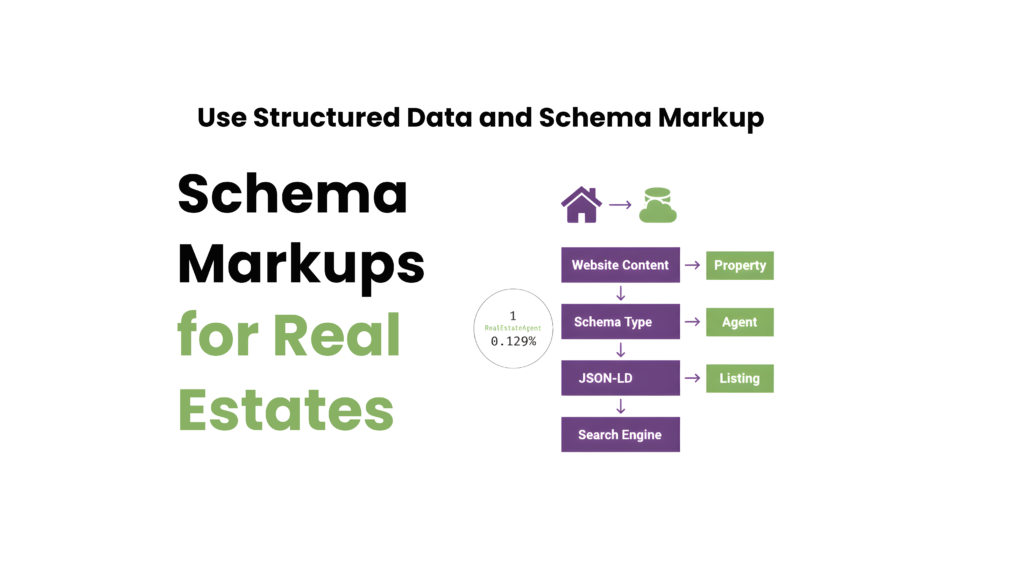
Structured data works like a secret language between your website and search engines. It makes your content more visible through rich snippets. These interactive snippets show property images, prices, and ratings right on search pages, unlike standard results.
What is the schema for real estate?
Schema markup adds code to your website that helps search engines understand your property listings and broker information better. Schema.org, a collaborative project, sets the guidelines for this structured data format that works with Google, Bing, and Yahoo. The right schema implementation lets your listings show up with pricing, agent details, and availability status in a better format.
Types Of Schema To Implement
RealEstateListing schema is your main markup type built for property offers. This schema has key properties like datePosted and leaseLength. The SingleFamilyResidence schema gives you more details for single-family homes:
- Number of rooms and occupancy limits
- Bathroom count and bedroom specifications
- Floor size and year built
- Pet policies and permitted usage
Your website can benefit from these additional schemas:
- Video schema (for virtual tours)
- Event schema (for open houses)
- Organization schema (for broker information)
- FAQ schema (for property questions)
Tools To Validate Schema
Schema errors, even small ones, can stop rich snippets from showing up. Google Rich Results Test stands as the official tool to test structured data and see how your search results might look. The Schema Markup Validator at validator.schema.org helps debug all Schema. org-based markup types beyond what Google supports. These tools make sure your schema works perfectly for your strategy of real estate SEO for brokers.
- Track Performance with Local SEO Tools
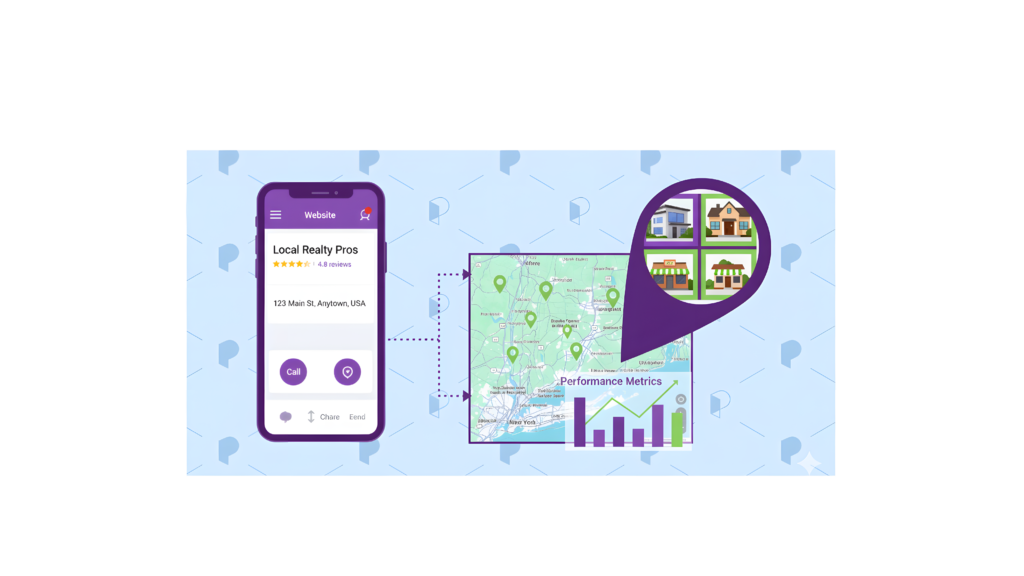
Results measurement is the life-blood of successful real estate SEO for brokers. Your optimization efforts might go to waste without proper tracking of strategies that bring minimal returns.
Top Analytics Tools For Brokers
Strong analytics solutions make performance monitoring work better. Google Analytics 4 gives you great insights about visitor demographics and behavior. Google Search Console helps track search performance, click-through rates, and indexing problems.
Several specialized platforms exist beyond these free options. BrightLocal and Moz Local help you analyze local search rankings and monitor GBP visibility. Ahrefs or SEMrush is a great way to get competitor insights through detailed backlink analysis.
What Metrics To Track
Your focus should stay on metrics that affect your bottom line directly. Overall SEO effectiveness shows through organic traffic measurements. Location-specific keyword rankings need tracking. Property showing requests and conversion rates deserve your attention.
Google Business Profile metrics tell an important story: profile views, customer actions, and review engagement. These numbers show how future clients find and connect with your brokerage online.
Using Data To Refine Strategy
Regular monthly performance reviews help drive continuous improvement. Pages and keywords that underperform need attention. Rankings stay strong when you refresh content every 3-6 months.
Let the numbers guide your optimization work throughout this process. Different calls-to-action need A/B testing. Engagement metrics should drive location page updates. A consistent review schedule helps analyze trends and improve your local SEO approach.
Why Choose Rankfast for Real Estate SEO
Picking the right real estate SEO for brokers makes the difference between online visibility and digital obscurity. Rankfast stands out from typical digital marketing agencies with their specialized approach to help real estate professionals.
Rankfast’s Local SEO Expertise
Most agencies offer generic solutions, but Rankfast exclusively specializes in real estate SEO services. Their team has thousands of hours of industry-specific experience to boost your brokerage’s digital presence. They only accept two clients per geographic location at most. This prevents competitor conflicts and gives your listings undivided attention.
Custom Strategies For Brokers
Rankfast creates tailored campaigns that match your specific market conditions. Their complete methods balance immediate lead generation with long-term organic growth. You’ll get solutions that line up with your business goals and budget through local keywords, Google Business Profile optimization, and location-specific landing pages.
Proven Results And Client Success
Rankfast gives you clear performance tracking through dedicated analytics tools. Your campaign manager updates you on critical metrics like local pack positioning, neighborhood-specific website traffic, and conversion rates. You’ll see exactly how your investment turns into qualified property asks. Your campaign runs smoothly with consistent support via phone, email, or chat – whatever questions or concerns you have.
Comparison Table
| Strategy | Main Goal | Core Tools/Resources | Effect Metrics | Implementation Tips |
| Audit Website & Competition | Technical SEO assessment | Ahrefs, Screaming Frog, Google Console, Analytics | Analysis of 925 Real Estate websites | Match industry standards for on-page optimization, content quality, and technical health |
| Become skilled at Local Keyword Research | Search term optimization | Google Keyword Planner, Ahrefs, SEMrush, WordStream | 70% of Google searches use long-tail keywords | Target location-based, property-type, and transactional keywords |
| Optimize Google Business Profile | Local visibility | Google Business Profile | 2.7x more likely to be seen as reputable | Add 100+ images, post weekly updates, and answer reviews within 48 hours |
| Create Area-Specific Content | Community expertise | Professional photography, local data sources | N/A | Develop neighborhood guides, market updates, and local business features |
| Build & Manage Online Reviews | Online reputation | Review management platforms | 25% more clicks (3-star to 5-star) | Answer reviews within 24-48 hours, and avoid offering incentives |
| Ensure NAP Consistency | Directory management | BrightLocal, Moz Local, Yext | N/A | Keep similar formatting on all platforms, and regular citation checks |
| Apply On-Page SEO | Listing optimization | Schema.org Validator | N/A | Optimize title tags (<60 chars), meta descriptions (120-155 chars), and use schema markup |
| Boost Mobile Responsiveness | Site performance | Google PageSpeed Insights, GTmetrix | 53% leave sites loading >3 seconds | Optimize images, simplify design, and use browser caching |
| Use Video Content | Visual engagement | YouTube, Instagram, Facebook | 96% prefer learning through videos | Make property tours, neighborhood features, and client testimonials |
| Use Structured Data | Search result improvement | Google Rich Results Test, Schema Markup Validator | N/A | Add RealEstateListing and SingleFamilyResidence schemas |
| Track Performance | Analytics & monitoring | Google Analytics 4, Search Console, BrightLocal | N/A | Check organic traffic, keyword rankings, and conversion rates |
| Choose Rankfast | Specialized real estate SEO | Dedicated analytics tools | Limited to 2 clients per location | Tailored campaigns with regular performance updates |
Conclusion
Real estate SEO for brokers just needs a smart approach to excel in today’s competitive digital world. These 11 strategies blend to build a strong online presence that connects you with qualified leads who search for properties in your area. The way you put these tactics to work will determine whether you show up on page one or get lost in the digital wilderness.
Note that SEO that works needs constant monitoring and fine-tuning. The data you gather shows which strategies bring the best results for your brokerage. This data-driven method will give a clear picture of where to spend your marketing budget for qualified leads.
Instead of trying to handle these strategies on your own, think about teaming up with experts who know real estate SEO for brokers inside out. Rankfast specializes in local SEO services made specifically for real estate professionals. Their core team can help you use these proven strategies while you focus on what you do best – closing deals and helping clients. Contact Rankfast today to find out how their SEO services can change your online presence and bring more qualified leads to your market.
FAQs
Q1. What are the most effective local SEO strategies for real estate seo for brokers?
Some of the most impactful strategies include optimizing your Google Business Profile, creating hyper-localized content like neighborhood guides, ensuring NAP consistency across directories, building and managing online reviews, and implementing proper schema markup for listings.
Q2. How can real estate agents improve their mobile website performance?
To enhance mobile performance, optimize images, simplify design elements, leverage browser caching, and consider using a Content Delivery Network (CDN). Tools like Google PageSpeed Insights can help identify specific areas for improvement.
Q3. What types of video content work best for real estate SEO?
Effective video content includes property tours and walkthroughs, neighborhood highlight videos, client testimonials, agent introduction videos, and market update videos. These should be optimized with relevant keywords and published on your website and platforms like YouTube.
Q4. How important are online reviews for real estate SEO Company?
Online reviews are crucial for real estate SEO company. They make up about 9% of local pack ranking factors and can significantly impact click-through rates. Businesses with higher ratings and more reviews tend to rank better in local search results.
Q5. What are the benefits of using structured data for real estate listings?
Structured data helps search engines better understand your property listings, potentially resulting in rich snippets in search results. This can include details like pricing, agent information, and availability status, making your listings more attractive and informative in search results.
Leave a Reply