
Here’s a surprising fact – the top Google search result gets clicked 22.4% of the time on average. Your higher education SEO strategy will determine if potential students find you or your competitors. Traditional students now move less frequently from high school straight to college. This shift has made the competition for prospective learners fiercer than ever.
Research reveals something interesting – 70% of potential students want customized information from higher education websites. Universities face both challenges and opportunities as they try to stand out. The higher education market value sits at USD 28.36 billion in 2024. Experts project this number to reach USD 116.71 Billion by 2033. These numbers make effective university SEO not just helpful but crucial.
So, here we shows you how to build an effective keyword strategy tailored for educational institutions. You might want to partner with an education SEO company or boost your in-house capabilities. Either way, these proven techniques will help attract more qualified prospective students to your programs.
Understanding SEO in Higher Education
The search landscape for higher education has changed dramatically. More than 80% of college applicants use search engines to look for programs, compare schools, and learn more. Your higher education SEO strategy must connect with future students where they search actively.
What Makes SEO Different For Universities
Higher education websites differ from business sites because they serve multiple audiences with unique needs. The target isn’t just one demographic—you need to reach:
- Prospective undergraduates (18-22 years old)
- Graduate students (working professionals, career changers)
- International students (different search behaviors)
- Parents (often the financial decision-makers)
- Transfer students (specific requirements)
On top of that, higher education websites usually have thousands of pages, from academic programs to admissions info, faculty profiles, and research publications. This complex structure needs reliable site architecture and smart internal linking to help pages get found.
Search trends in education follow seasonal patterns closely. Students look for application deadlines most in November-December. Campus tour searches peak in March-April. Financial aid questions spike in January-February. Your SEO for universities strategy should align with these cycles.
Why SEO Is Critical For Student Recruitment
Students today don’t sit around waiting for college brochures—they jump on Google. Your school needs to show up in those early search results or risk being overlooked completely.

Gen Z students grew up with technology and want quick, detailed answers. They use search engines to review their educational options fast, from program comparisons to campus safety checks.
Graduate students, adult learners, and international applicants rely heavily on digital channels for research. These valuable prospects rarely appear on purchased student lists or attend college fairs, which makes SEO crucial to reach them.
How Search Behavior Has Changed In 2024
Search feels more like having a conversation now, not just looking through a catalog. Students chat with search bots, ask complex questions, and expect quick answers.
Recent research shows website traffic from AI tools and large language models jumped by 850% in just one year. Your higher education SEO strategy must now optimize the complete search experience: user intent, usability, and value.
Students use longer, more conversational search queries on higher education websites. Half of all high school students use the site search feature to find their way around. This trend shows why natural language questions matter so much in today’s SEO.
How to Do Keyword Research for Higher Ed SEO
Your higher education SEO strategy needs solid keyword research at its core. Students search for specific terms when looking for educational opportunities. The right content that addresses their needs starts with finding these terms.
Start With Your Academic Programs
Your keyword research should start with a good look at what makes your institution special. Make a list of your main academic programs, research strengths, and standout features. Take time to think over what your institution excels at and its desired reputation. Put yourself in your future students’ shoes – what would they type into Google when they look for education options? These original keywords will grow into your complete strategy.
Use Tools like Google Keyword Planner and AnswerThePublic
Your seed keywords need expansion through specialized tools. Google Keyword Planner gives great information about search volumes and competition for keywords. This free tool helps you spot trends, plan your ad spending, and find related search terms.
AnswerThePublic stands out as another powerful resource. The tool gathers questions people ask on Google about your topic. Results appear in different question formats (who, what, when, where, why, how) and show exactly how your audience talks. This works really well since 20% of Google’s 3.5 billion daily searches are completely new.
Understand Short-Tail Vs. Long-Tail Keywords
Short-tail keywords are broad terms like “MBA degree” that get lots of searches but face tough competition. These general terms often leave you guessing – the searcher might compare programs, be enrolled already, or just look around.
Long-tail keywords tell a clearer story. These specific phrases like “part-time online MBA programs for working professionals” get fewer searches. However, they attract people who know what they want and are closer to making a decision.
Identify Branded Vs. Non-Branded Terms
Branded keywords include your school’s name, such as “Harvard School of Medicine”. People who search these terms already know about you and are more likely to take action.
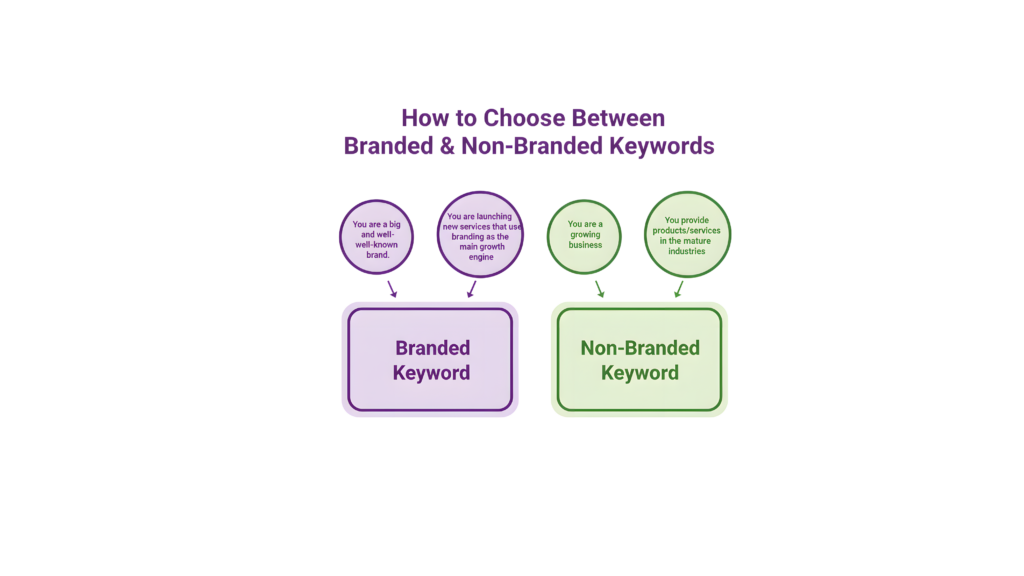
Non-branded keywords skip your school’s name but focus on what you offer, like “Accounting Programs Toronto”. These terms help you reach students who haven’t heard of you yet.
Match Keywords To User Intent
User intent plays a vital role in targeting keywords effectively. You should ask: What does the searcher want to know? Are they comparing schools or ready to submit an application? Keywords that line up with user intent help you plan your page content and predict how visitors will use it.
Building a Higher Education SEO Strategy

Your next significant step after identifying valuable keywords should be to develop a strategic implementation plan that maximizes their effect. A well-laid-out higher education SEO strategy reshapes raw keyword data into targeted website traffic and student queries.
Map Keywords To Specific Pages
Keyword mapping will line up your target keywords with appropriate website content. This approach supports your content strategy and prioritizes topics that matter to prospective students at different stages of their experience. The process involves mapping primary and secondary keywords to specific landing pages for each academic program.
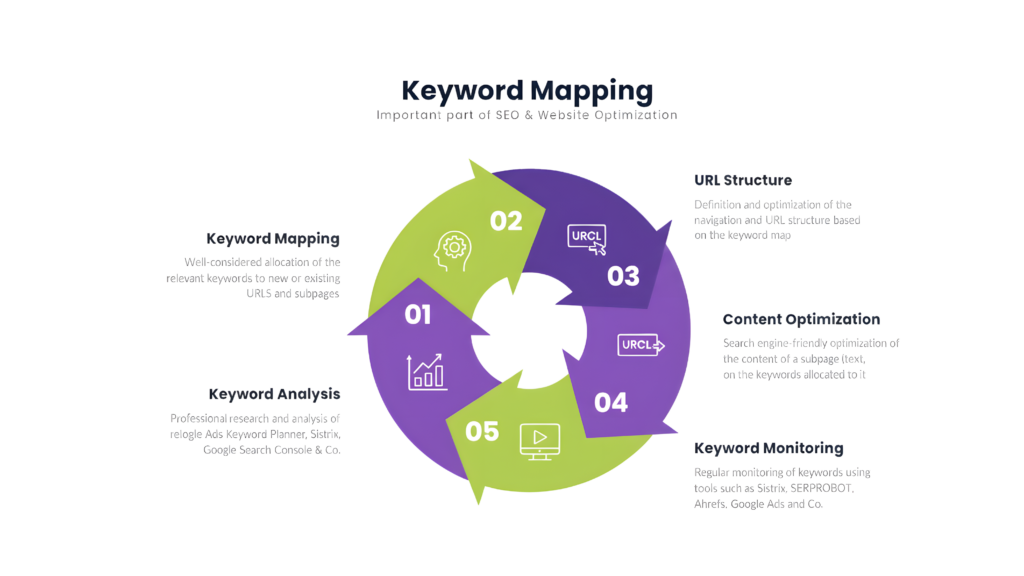
You should avoid keyword cannibalization where multiple pages compete for the same terms. Each page on your site adds to overall SEO performance through its individual ranking power.
Use The ‘Striking Distance’ Method
One of the most effective SEO for universities techniques targets keywords within “striking distance” of page one results. These queries show your site ranking on Google’s second or third page (positions 11-30). Your chances of improving rankings are better since the distance to top-10 results is shorter. Google Search Console helps identify these near-miss keywords. You can then boost those pages with improved content, internal links, and metadata.
Incorporate Location-Based Keywords
Geographic indicators like city, state or region names make up location-based keywords. These terms help connect with prospective students who search for programs in specific areas. Your competition reduces when you optimize for phrases like “MBA programs in California” instead of just “MBA programs.” This approach captures high-intent traffic effectively. On top of that, it helps improve relevance for users searching within particular geographic areas.
Conduct Competitor Keyword Gap Analysis
A competitor keyword gap analysis shows valuable keywords where your competitors rank but you don’t. This reveals opportunities to boost your visibility against similar institutions.
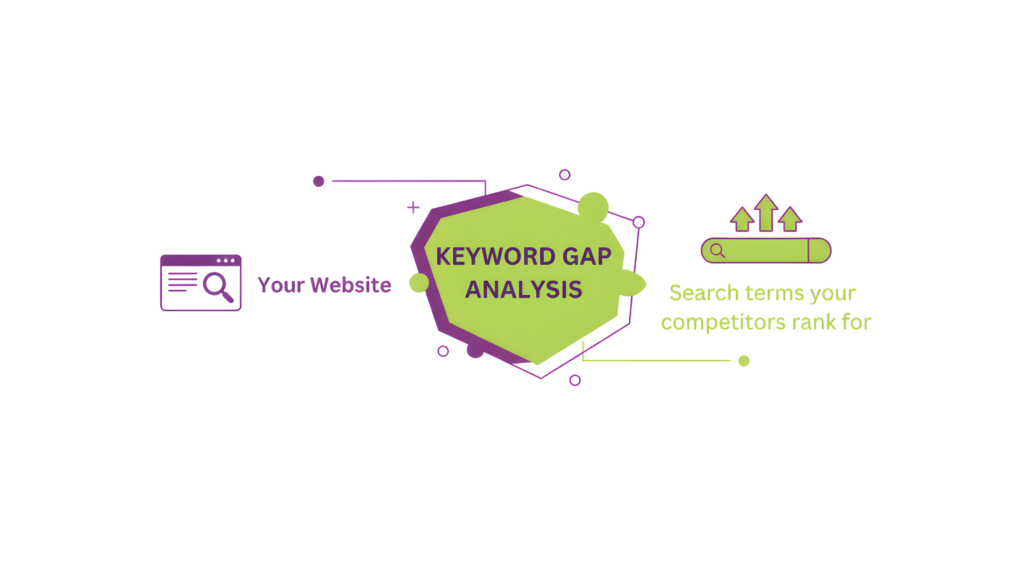
You can use tools like SEMrush or Ahrefs to compare your site against 2-3 competitors. The focus should be on keywords with high search volume that match your programs. Look at how competitors target these keywords through content structure, keyword placement, and page organization.
Create a Keyword Strategy For Each Funnel Stage
Keywords match different stages of the student experience:
- Awareness stage: Target informational keywords like “how to choose the right college” or “preparing for college entrance exams”
- Consideration stage: Focus on solution-oriented terms such as “best engineering programs” or “affordable online degrees”
- Decision stage: Capture high-intent searches with terms like “apply to [program]” or “[university] application deadline”
This funnel-based approach ensures your content meets prospective students’ needs at every step of their educational experience.
On-Page and Technical SEO Best Practices

Technical optimization forms the foundation of any higher education SEO strategy. The best content won’t drive enrollment if students can’t find or access your website.
Optimize Title Tags And Meta Descriptions
Title tags are your most valuable SEO real estate. They must include your primary keyword and stay under 60 characters to avoid truncation in search results. Meta descriptions work best between 150-160 characters.
They should sum up the page content while naturally including relevant keywords. Note that each page needs its own unique metadata—duplicate descriptions across program pages confuse users and search engines alike. Good meta descriptions can boost click-through rates and help your rankings.
Use Header Tags And Internal Linking
Header tags (H1, H2, H3) help structure your content to improve readability and SEO. Your H1 tag needs your primary keyword to establish the page’s topic clearly.
Topic-specific subheadings should include secondary keywords. Strategic internal linking helps direct users through related content and spreads link equity across your site. This creates a clear information path that visitors and search engines can follow.
Ensure Mobile Responsiveness And Fast Load Times
Over 51% of web traffic comes from mobile devices, making responsive design crucial. Your site should adapt to different screen sizes through flexible layouts and right-sized media.
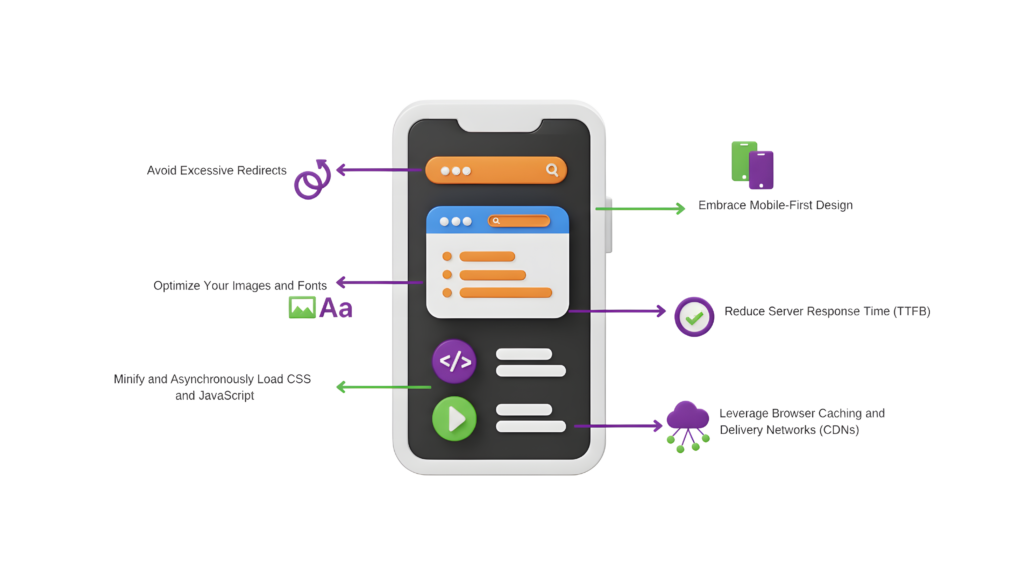
Speed matters too—sites that load in 5 seconds see a 38% bounce rate compared to 9% for 2-second loads. Better performance comes from compressed images, fewer HTTP requests, and proper caching.
Implement Schema Markup For Programs And Events
Schema markup gives search engines structured data about your educational offerings. CollegeOrUniversity, Course, and Event schemas help boost your search result visibility. Course schemas should include details like course name, description, and provider. Event schemas need accurate dates, locations, and registration information. This data helps Google create rich snippets that catch attention in search results.
Avoid Keyword Stuffing And Focus On Readability
Creating value matters more than cramming in keywords. A natural keyword density of 1-2% works best with clear, direct sentences. Search engines understand synonyms, user intent, and natural language—making keyword stuffing harmful rather than helpful. Your content should speak to prospective students, not algorithms. Bold text and bullet points help highlight important information.
Tracking SEO Performance and Refining Strategy
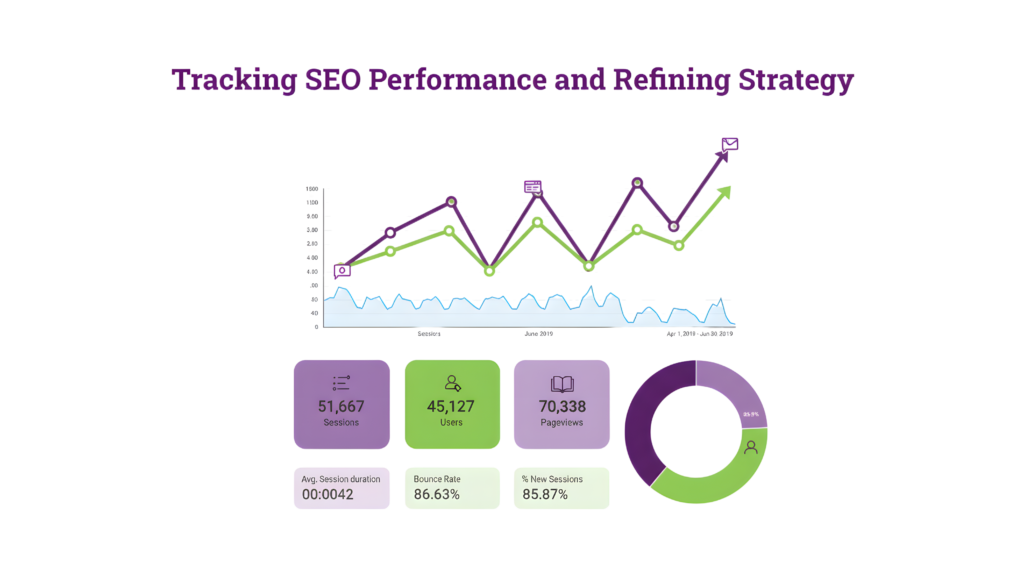
Your higher education SEO strategy needs careful monitoring to learn what works and what doesn’t. Performance tracking becomes your guide to make future decisions after the strategy goes live.
Use Google Search Console and Analytics
Google Search Console shows how search engines see your site and which searches bring visitors. This tool displays impressions, clicks, and your position for target keywords. You can get detailed insights into user behavior by connecting Search Console with Google Analytics. The combination helps you understand where traffic comes from and how users interact with key pages.
Monitor Keyword Rankings and CTR
Measuring visibility improvements starts with tracking your target keyword positions. Tools like Ahrefs, Semrush, and BrightEdge are a great way to get specialized rank monitoring capabilities.
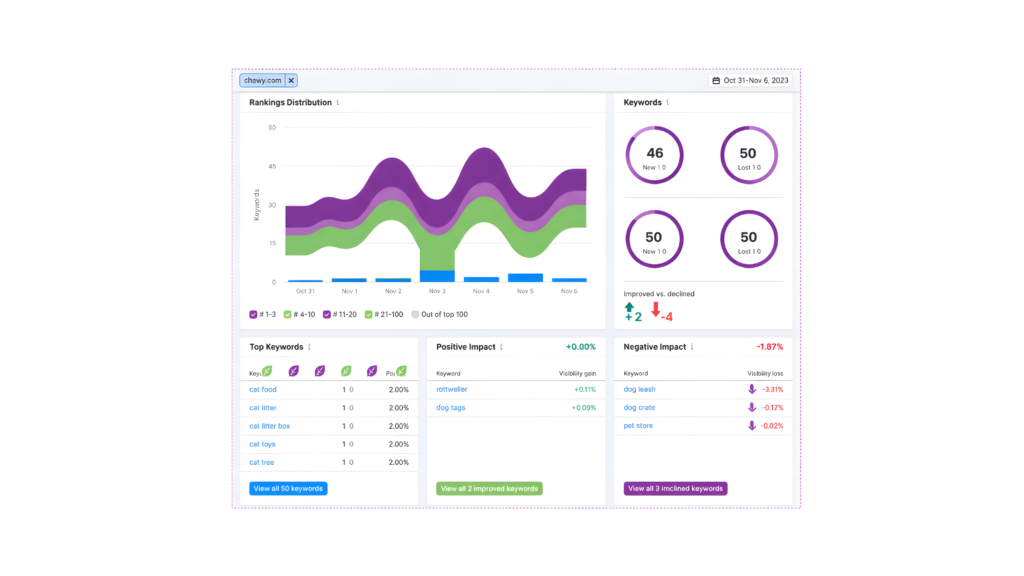
Low click-through rates with good rankings mean your meta descriptions need work. Keywords ranking between positions 4-14 deserve extra attention as these “striking distance” terms can bring quick wins.
Track Conversions From Organic Traffic
Google Analytics helps measure when potential students take meaningful actions through conversion events. The core team should track form completions, application starts, and virtual tour signups. Monitoring these conversion points turns your website into a powerful student recruitment tool.
Adjust Content Based On Performance Data
SEO needs ongoing attention and updates. The team should study which content formats keep users engaged and improve pages that fall short. Each tactic needs 4-6 weeks of testing time, while bigger changes might take up to 6 months to show results. This cycle of continuous improvement helps you stay relevant in today’s competitive digital world.
Why Choose Rankfast as Your Education SEO Company
Your choice of partner for higher education SEO strategy could determine whether you struggle with visibility or become the preferred choice for prospective students online.
Specialized SEO Services For Universities
Rankfast works exclusively with universities, colleges, and online programs. General agencies might take a standardized approach, but Rankfast creates strategies specifically designed for the academic world. The core team understands university websites’ unique challenges, complex stakeholder relationships, and enrollment cycles.
Proven Track Record In Higher-Ed Marketing
SEO for universities demands measurable success. A college partnering with Rankfast saw their program page visibility grow by 950%, which generated a 900% increase in qualified organic leads. Most university partners see 50-70% growth in organic traffic to program pages after implementing these strategies in the first year.
Custom Strategies Tailored To Your Institution
Educational institutions have distinct needs. A K-12 school might prioritize local SEO, while universities often target international students. Rankfast builds custom strategies that match your specific goals and audience. Their integrated approach combines program-specific optimization, local visibility, and content that matches academic calendars.
Transparent Reporting And Measurable Results
You will always know where your budget goes and what results you achieve through clear pricing and reporting. The focus stays on metrics that drive enrollment: organic traffic growth, program page visibility, conversion rates, and keyword rankings for program-specific terms.
Conclusion
A well-planned higher education SEO strategy is a vital investment for institutions competing in today’s digital world of enrollment. Students rely heavily on search engines during their educational trip, which makes online visibility essential to recruitment success.
The higher education world changes faster than ever, which makes professional SEO support valuable. Rankfast brings specialized expertise and SEO agency for education and understands education institutions’ unique challenges. Their proven track record shows how custom strategies can boost program visibility and qualified leads.
Want to change your institution’s online presence? Start your journey toward better visibility and enrollment by learning about Rankfast’s SEO services today. Their team can help you find opportunities through complete competitor analysis and develop a custom strategy that connects your programs with ideal prospective students.
FAQs
Q1. How does SEO for higher education differ from general SEO practices?
SEO for higher education is unique due to its multiple distinct audiences, complex website structures, and seasonal search patterns. It requires targeting diverse groups like prospective undergraduates, graduate students, and parents, while also considering the cyclical nature of academic calendars and application deadlines.
Q2. What are some effective keyword research strategies for universities?
Effective keyword research for universities involves starting with academic programs, using tools like Google Keyword Planner and AnswerThePublic, understanding short-tail vs. long-tail keywords, identifying branded and non-branded terms, and matching keywords to user intent at different stages of the student journey.
Q3. How can universities improve their technical SEO?
Universities can improve their technical SEO by optimizing title tags and meta descriptions, using proper header tags and internal linking, ensuring mobile responsiveness and fast load times, implementing schema markup for programs and events, and focusing on readability rather than keyword stuffing.
Q4. What metrics should higher education institutions track for SEO performance?
Key metrics for higher education SEO include organic traffic growth, keyword rankings (especially for program-specific terms), click-through rates, conversion rates for important actions like form completions and application starts, and overall visibility of program pages in search results.
Q5. How long does it typically take to see results from SEO efforts in higher education?
While some changes may show impact within 4-6 weeks, significant results from SEO efforts in higher education can take up to 6 months to materialize. This timeline allows for search engines to recrawl and reindex content, and for the cumulative effect of various optimization strategies to take hold.
Leave a Reply