
You already know that BigCommerce is a platform that can scale eCommerce. With 41,000+ active stores, supporting a revenue run rate of $350.8M and drawing 4.8 million monthly visitors, BigCommerce is a formidable rival in the SaaS eCommerce market.
Still, despite these figures, many stores fail to achieve consistent SEO results. Why?
Because of inherent BigCommerce SEO constraints. The platform provides strong eCommerce management tools, but its technical SEO flexibility lags behind competitors. This exposes businesses to duplicate content, poor mobile experiences, weak blogging, and unstructured data.
This blog uncovers the reasons why BigCommerce stores face SEO challenges, the modernization trends shaping SEO in 2025, and how a BigCommerce SEO company can help overcome these hurdles to improve rankings, attract organic traffic, and drive steady revenue growth.
Why SEO Is Non-Negotiable for BigCommerce Stores in 2025
Before diving into challenges, let’s look at why SEO matters more than ever in 2025. Search is now the primary entry point for customers.
- 68% of web journeys begin with a search engine (Source).
- Organic search generates 1,000% more traffic than organic social media (Source).
- On average, 53.3% of all website traffic comes from organic search (Source).
- SEO delivers an 825% ROI across industries, with eCommerce specifically generating 317% ROI (Source).
- 92.96% of global traffic comes from Google Search, Images, and Maps (Source).
- 62.54% of organic search traffic is now mobile (Source).
For BigCommerce store owners, these numbers highlight a hard truth: if your store isn’t optimized for SEO, you’re not just missing clicks, you’re losing revenue. SEO builds visibility, trust, and discoverability at the exact moment B2B and B2C buyers are ready to purchase.
The BigCommerce SEO Struggles Explained
Although popular, BigCommerce restricts what store owners and marketers can achieve with SEO. Below are the most urgent challenges:
1. Poor Blog Functionality and Domain Fragmentation
The default BigCommerce blog runs on a subdomain (e.g., blog.yoursite.com), splitting authority between your eCommerce site and blog.
- SEO value is diluted when blogs sit on subdomains.
- Internal linking opportunities are underutilized.
- The blogging interface lacks canonicals, rich CTAs, and flexible designs.
Example:
A fashion retailer running trend blogs on a subdomain will gain less SEO authority than a competitor on Shopify hosting blogs directly on the main domain.
How to fix it:
- Host your blog on the root domain (e.g., yoursite.com/blog).
- Use headless integrations with frameworks like Next.js or Nuxt.js for flexible, SEO-friendly layouts.
- Add CTAs in blogs to funnel visitors toward key product categories.
2. Duplicate Content & Parameter Issues
Duplicate content remains one of the toughest BigCommerce SEO issues. Product variations, session URLs, and parameters often create near-identical pages that confuse Google crawlers.
- Multiple product listings dilute ranking signals.
- Canonical tags are not easily preset.
- Auto-generated pages waste crawl budgets.
How to fix it:
- Embed canonical tags within theme files.
- Rewrite or consolidate duplicate product descriptions.
- Partner with a BigCommerce SEO agency to automate schema and metadata updates for large catalogs.
3. URL Structure & Navigation Restrictions
BigCommerce forces rigid URL structures with parameters and long segments, hurting both user experience and keyword targeting.
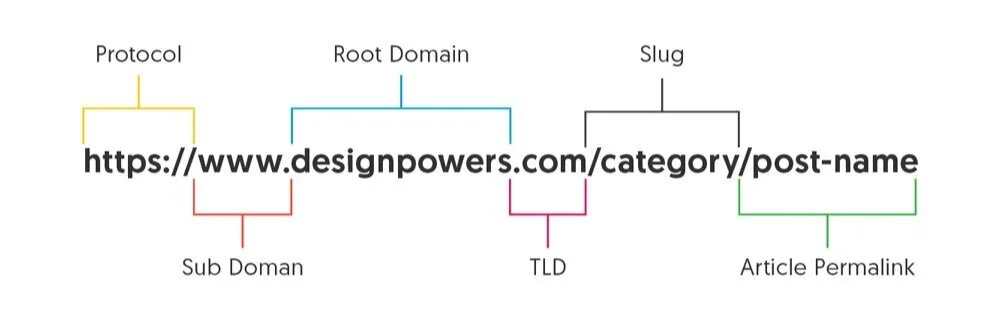
- URLs often contain irrelevant IDs.
- Complex breadcrumbs confuse crawlers.
- Non-optimized slugs weaken keyword visibility.
Example:
/products/mens-shoes-running-1234 is more SEO-friendly than /catalog/product.php?id=1234&category=men.
How to fix it:
- Shorten slugs with keyword-rich terms.
- Use canonical tags for variations.
- Enhance crawlability with apps or custom development.
4. Slow Site Speed & Layout Constraints
BigCommerce has good server response times (~361ms), but its default templates are poorly optimized.

- Heavy scripts and unused apps slow down load times.
- Poor lazy-loading harms mobile users.
- Large product images drag down Core Web Vitals.
Why it matters:
With 62.54% of traffic from mobile search, slow speed directly affects rankings and conversions.
How to fix it:
- Optimize product images (72dpi, ~1250px width).
- Minify scripts and CSS.
- Use a CDN.
- Switch to lightweight themes.
5. Limited Structured Data & Schema Control
Rich snippets and schema markup drive higher CTR in eCommerce. But BigCommerce is only partly schema-friendly:
- No native support for advanced schema (FAQs, breadcrumbs, How-To).
- Reliance on third-party apps for structured data.
- Schema errors often appear in Google Search Console.
How to fix it:
- Use custom scripts for schema markup.
- Adopt schema management tools.
- Work with developers to implement FAQ schema in blogs and product schema in listings.
6. No Staging Environment for SEO Testing
BigCommerce lacks a built-in staging environment, making SEO testing risky.
- Live sites risk downtime if templates break.
- Failed changes can hurt rankings.
How to fix it:
- Clone stores manually for staging.
- Work with agencies that use rollback protocols.
- Leverage headless setups where staging is easier.
7. Counterintuitive Admin Interface
Even basic SEO updates often require developer involvement.
- Fields for essentials like H1s and canonicals are buried or missing.
- Non-technical users struggle to implement fixes.
How to fix it:
- Use API-based apps to simplify SEO controls in the dashboard.
- Hire or train staff, or partner with a BigCommerce SEO company, for technical updates.
Modernization Trends Shaping BigCommerce SEO in 2025
ECommerce SEO is evolving faster than ever, and BigCommerce stores must adapt to stay competitive. From headless commerce to AI-based search, store optimization has transformed radically in 2025. Below, we examine the most influential modernization trends shaping BigCommerce SEO today.
1. Headless Commerce Growth
Contemporary BigCommerce builds increasingly rely on frameworks such as React (Next.js), Vue (Nuxt.js), and Angular. Headless setups allow:
- Faster load speed
- Greater design flexibility
- Advanced technical SEO solutions
By decoupling the frontend and backend, stores can optimize URLs, schema markups, and metadata without relying on default BigCommerce templates, improving crawlability and user experience.
2. AI + Voice Search Optimization
Voice search is no longer optional: 75% of US homes now have smart speakers. BigCommerce retailers must optimize for:
- Conversational queries
- Long-tail search phrases
- Natural language search patterns
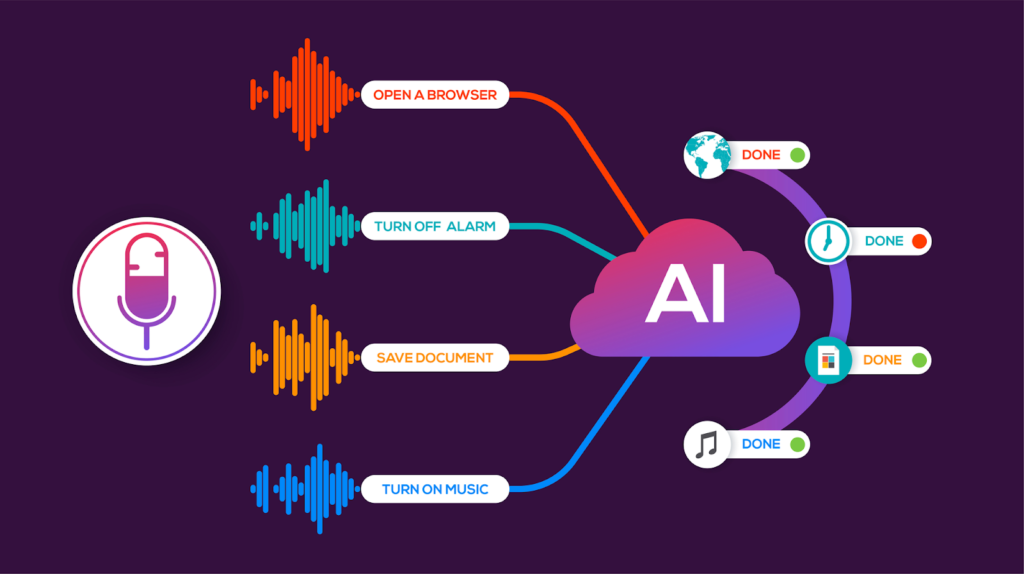
Instead of relying solely on short-tail keywords, product descriptions and FAQs must address actual spoken queries, such as:
“Where can I buy eco-friendly office chairs online?”
3. Integration with Third-Party SEO Tools
BigCommerce SEO capabilities remain basic, which is why growing businesses rely on tools like SEMrush, Ahrefs, and Moz for:
- Keyword audits
- Backlink monitoring
- Rank tracking
Many agencies integrate these tools directly into BigCommerce workflows, enabling optimization at scale.
4. Omnichannel SEO Strategies
Buyers in 2025 do not remain loyal to a single platform. Leading BigCommerce stores invest in omnichannel SEO, making them visible across:
- Google search
- Marketplaces like Amazon
- Social commerce
- Voice search
- Visual search engines (e.g., Pinterest Lens)
This cross-platform approach ensures consistent brand discovery, steady traffic, and higher conversions.
How Structured SEO Improvements Drive BigCommerce Growth
Top-performing BigCommerce stores see 47% more sessions and 28% higher revenue when implementing structured SEO upgrades. These gains come from systematic, scalable practices:
- Optimize URL Structures: Short, keyword-rich URLs like /mens-leather-shoes improve SEO and click-through rates.
- Leverage Schema Markup: Product, review, and FAQ schema display rich snippets in SERPs, boosting CTR and trust.
- Mobile-First Optimization: Responsive themes and compressed assets reduce bounce rates for the 62.54% of mobile organic traffic.
- Content Centralization: Hosting blogs on the main domain consolidates SEO equity and improves internal linking.
- Technical SEO Automation: Apps or scripts scale metadata, alt-text, and schema updates across hundreds or thousands of SKUs.
Together, these strategies enhance rankings, traffic, engagement, and revenue.
Summary of BigCommerce SEO Issues in 2025
| Issue | Typical Impact | Native Solution? | Requires Third-Party/Fix? |
|---|---|---|---|
| Blog limitations | Weak content marketing, low authority | Limited | Yes |
| Duplicate content (variants/params) | Poor ranking/indexing | Partial (canonicals) | Often yes |
| URL customization | Category/product hierarchy errors | Limited | Sometimes |
| Site speed | Lower engagement, rankings | Basic optimization | Yes (CDN, dev work) |
| Mobile optimization | Traffic loss, bounce rate | Responsive themes | Developer/QA |
| Schema/structured data | Product/result visibility | App/developer | App/developer |
| Staging/testing SEO changes | Change-risk, no preview | None | Workarounds only |
Why You Need a Specialized BigCommerce SEO Company
DIY fixes rarely create long-term growth. The technical limitations of BigCommerce SEO cannot be overcome without professional expertise.

- Technical Expertise: Agencies circumvent URL, canonical, and schema limitations using code, apps, or workflows.
- Content Integration: Moving blogs to the primary domain consolidates SEO authority; product/category content is optimized with internal linking.
- Performance Optimization: Site speed audits, mobile-first design, and image compression improve engagement.
- Scalable Automation: Metadata, schema, redirects, and alt-text are managed consistently across thousands of SKUs.
- Proven ROI: Agencies track keyword growth, organic traffic, and revenue impact, demonstrating clear ROI.
Partnering with a BigCommerce SEO company is the fastest way to drive traffic, increase conversions, and scale revenue.
Conclusion
BigCommerce is a powerful eCommerce platform, but SEO can limit growth. Duplicate content, rigid URL structures, slow site speed, and limited canonical controls can erode organic visibility.
A specialized BigCommerce SEO agency provides technical expertise, structured optimization, and scalable automation. Beyond fixes, they integrate content strategies, enhance mobile-first performance, and deliver measurable ROI.
If you’re ready to grow traffic, authority, and revenue, explore our tailored BigCommerce SEO services for India, the UAE, and the US. The right strategy transforms search into a consistent revenue channel.
👉 Contact RankFast today for a personalized BigCommerce SEO audit and roadmap to growth.
FAQs
Q1: How to fix SEO issues?
To fix SEO issues, start with a comprehensive site audit to identify all technical and content-related problems. Address broken links, optimize page speed, and ensure meta tags are correctly implemented. Mobile usability errors should be resolved to improve user experience and rankings. Updating content with target keywords and implementing structured data helps search engines better understand your site. Regular audits combined with expert guidance from a BigCommerce SEO company ensure sustained long-term growth.
Q2: Is BigCommerce good for SEO?
Yes, BigCommerce offers built-in SEO features such as customizable meta tags, sitemaps, and HTTPS support. However, it has limitations, including rigid URL structures, limited canonical control, and subdomain blog setups. These restrictions can impact indexing and organic visibility if left unaddressed. Partnering with a BigCommerce SEO agency can overcome these challenges through technical fixes and structured optimization. With proper support, BigCommerce stores can compete effectively in search rankings.
Q3: Why is my SEO not working anymore?
SEO performance can decline due to several factors, including algorithm updates, duplicate content issues, slow site speed, or outdated content strategies. Even minor technical issues can negatively affect rankings if not addressed promptly. Refreshing content, optimizing images, and implementing proper structured data can help restore lost visibility. Regular monitoring and audits by a BigCommerce SEO company prevent small problems from becoming major ranking losses. Staying proactive ensures consistent organic growth.
Q4: How to improve SEO on a BigCommerce store?
Improving BigCommerce SEO starts with clean, keyword-rich URLs and well-optimized meta tags. Structured data, including product, review, and FAQ schema, enhances rich snippet visibility in search results. Ensuring mobile responsiveness and fast page speed is critical, given that most organic traffic now comes from mobile devices. Third-party SEO tools and apps can automate repetitive updates, maintaining consistency across large product catalogs. Working with a BigCommerce SEO agency ensures these improvements are implemented efficiently and at scale.
Q5: How can I fix duplicate content issues on BigCommerce?
Duplicate content often arises from product variations, parameters, or session URLs, which can confuse search engines. Embedding canonical tags and consolidating product descriptions helps prevent indexing issues. A BigCommerce SEO company can automate metadata updates and manage large catalogs efficiently to minimize duplicates. Regular audits are essential to identify hidden duplicates and maintain SEO hygiene. Addressing these issues improves rankings and ensures your pages compete effectively in search results.
Q6: How do I optimize mobile SEO on BigCommerce?
Mobile SEO requires responsive themes, fast-loading pages, and easy navigation for touch interfaces. Compressing images and minimizing scripts enhances site speed, reducing bounce rates for mobile users. Structured data should also be mobile-friendly to ensure rich snippets display correctly on small screens. Partnering with a BigCommerce SEO company ensures mobile-first optimizations are applied systematically across all product and category pages. Mobile optimization directly impacts rankings, user experience, and conversions.
Q7: Can I automate SEO for a BigCommerce store?
Yes, automation is critical for scaling SEO across hundreds or thousands of SKUs. Metadata, alt-text, canonical tags, and schema updates can be managed using apps or custom scripts. Automating repetitive tasks ensures consistency and saves time for marketing teams. A BigCommerce SEO agency can set up these workflows to maintain site-wide SEO health and reduce errors. Automation, combined with expert oversight, helps stores grow traffic, rankings, and revenue efficiently.
Leave a Reply