In today’s competitive higher education landscape, partnering with the right education SEO company can make the difference between standing out or getting lost in the digital crowd. However, most searchers won’t even look beyond the first page of search results. This is where a higher education SEO company becomes invaluable. Institutions using web personalization solutions experience up to a 2700% increase in student inquiry conversions, while others have seen blog traffic grow by an astounding 876% year-over-year.
Looking for an SEO agency for higher education that delivers real results? The best education SEO company understands that strategic optimization isn’t just about rankings—it’s about connecting with prospective students at every stage of their decision journey. Let’s explore 12 proven strategies that can transform your institution’s online visibility and enrollment numbers.
Top 12 Strategies Education SEO Company to Increase Enrollment
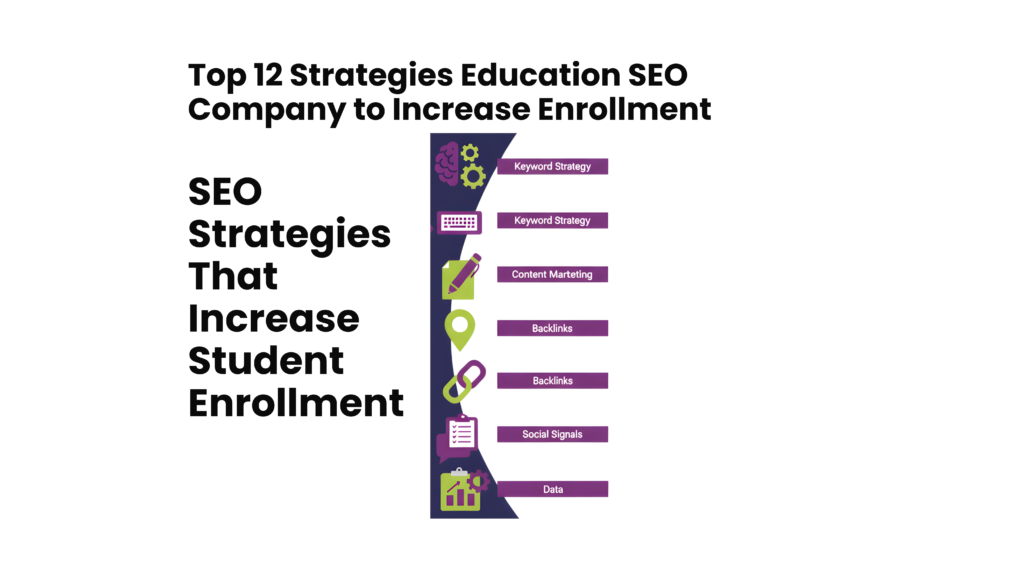
Effective education SEO companies know that search optimization goes beyond technical configurations and keyword stuffing. The best strategies focus on understanding student behavior, creating valuable content, and implementing advanced optimization techniques. According to research, more than 80% of college applicants turn to search engines to explore programs, compare schools, and gather information.
- Map the Student Search Journey
Successful higher education SEO begins with understanding how prospective students interact with search engines throughout their decision-making process. Each phase of the student journey calls for different content types and visibility strategies. A quality education SEO company maps this journey to ensure your institution appears at every crucial touchpoint.
At the awareness stage, students use broad search terms like “best biology programs in the Midwest” or “college vs. trade school”. Your SEO strategy must position your institution prominently during these initial explorations.
As students move into the consideration phase, their searches become more specific, looking for detailed information to differentiate between schools. Here, your content needs to provide clear, accurate answers that establish your institution as trustworthy and authoritative.
Finally, when students reach the decision stage, their search intent narrows further to practical information like application deadlines, scholarship options, and program requirements. Your SEO strategy should address these specific needs with targeted landing pages and content.
Remember that different student demographics have unique search behaviors:
- Traditional undergraduates typically search for campus life, social opportunities, and housing
- Adult learners prioritize flexible scheduling, affordability, and immediate career impact
- International students often seek information about visa processes, language support, and cultural integration
- Align Content with Student Search Intent
Understanding search intent has become fundamental for education SEO company. Modern SEO is not just about ranking for keywords—it’s about meeting students exactly where they are in their search journey with precisely what they need.
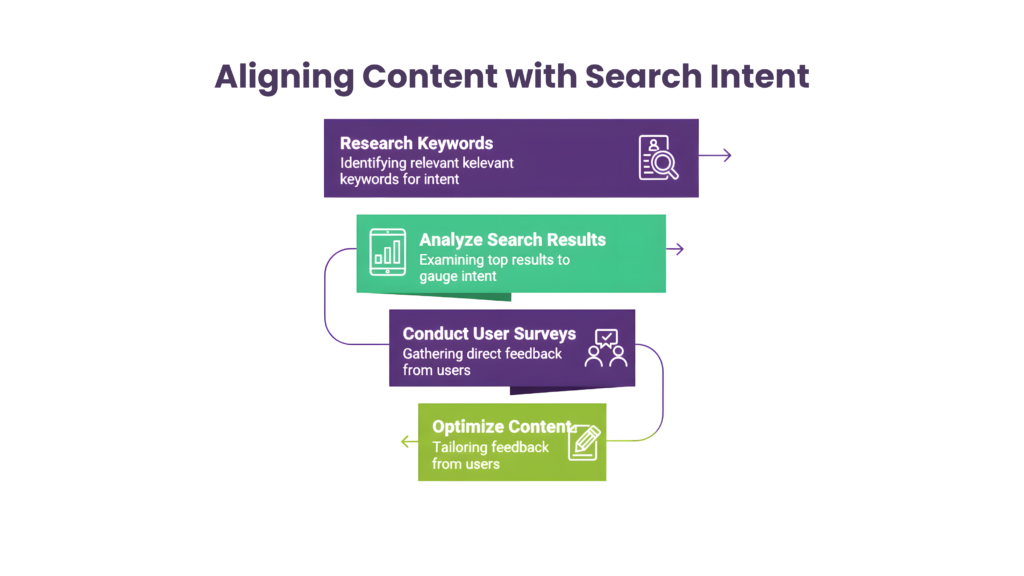
To optimize for search intent, examine what prospective students are truly trying to discover. Instead of focusing solely on keywords, consider what information students hope to receive when typing a search query. For example, a student searching “nursing program requirements” needs specific admission criteria, not general information about nursing careers.
With the growth of AI generative search, students increasingly use long-tail, conversational queries rather than simple keywords. This shift means your content strategy must evolve beyond targeting basic terms like “business degree” to answering complex questions and providing detailed insights.
When creating intent-optimized content, ask yourself:
- What are students really trying to decide?
- What doubts might they have?
- What specific help do they need?
Utilize tools like Google Search Console to identify exactly which queries bring users to your site. Additionally, platforms like SEMrush provide detailed keyword research and competitor analysis, while AnswerThePublic offers visual representations of common questions.
- Create High-Quality, E-E-A-T Compliant Content
Google’s E-E-A-T guidelines—Experience, Expertise, Authoritativeness, and Trustworthiness—have become essential for higher education SEO. These principles ensure your content meets quality standards that both search engines and prospective students value.

For colleges and universities, demonstrating E-E-A-T means creating content that showcases:
- Experience: Content from individuals with firsthand involvement in academic programs, campus life, or student services
- Expertise: Information developed by faculty and staff with formal knowledge in their fields
- Authoritativeness: Content containing credible information from a website with a strong reputation
- Trustworthiness: Clear and transparent sourcing that verifies accuracy and reliability
To enhance E-E-A-T compliance, collaborate with subject matter experts like faculty, alumni, and industry leaders. These partnerships not only improve your SEO performance but also create more valuable content for prospective students.
Additionally, identify common questions students and parents ask, and create content that answers them directly. Regularly update important pages (program information, tuition, deadlines) to maintain current, accurate information.
- Use Interactive and Visual Content Formats
Today’s students, particularly millennials and Gen Z who account for 42% of the U.S. population, are no longer satisfied with traditional text-based content. Your education SEO company should recommend incorporating visual and interactive elements to capture attention and improve engagement.
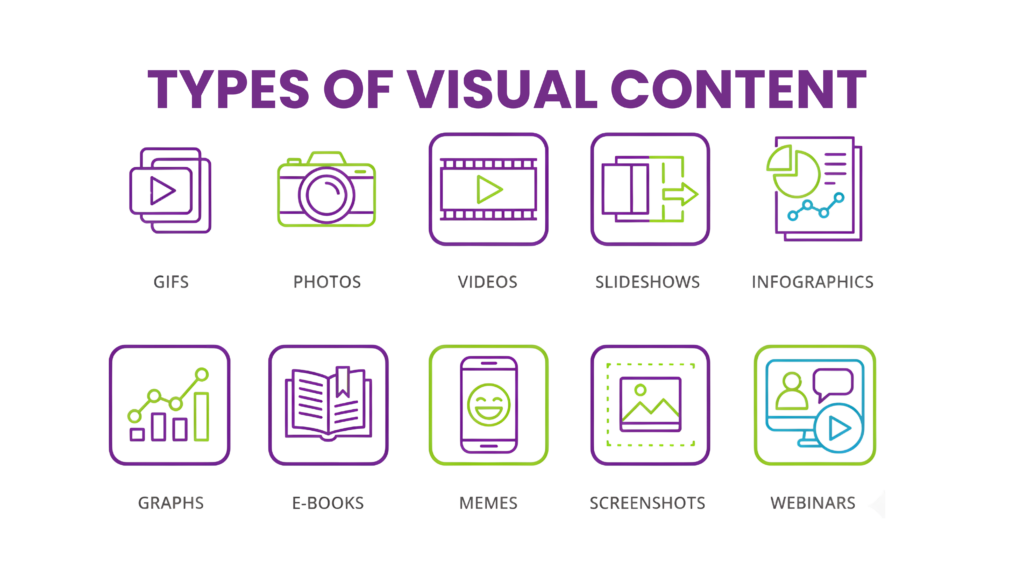
Interactive content like virtual campus tours, tuition calculators, and career outlook assessments keep visitors on your site longer, sending positive engagement signals to search engines. These interactive tools not only enhance user experience but also provide practical value that text alone cannot deliver.
Video content is particularly effective for higher education marketing. Short-form videos featuring faculty insights or student testimonials perform well on social media and program pages. These visual elements help prospective students envision themselves at your institution, making emotional connections that text cannot achieve.
Additionally, diversify your content formats with infographics, quizzes, and interactive program finders. This multimedia approach caters to different learning styles and information processing preferences, making your website more accessible to diverse student audiences.
- Optimize for Mobile-First Indexing
Mobile optimization is no longer optional for higher education websites. Google now uses mobile-first indexing, meaning they primarily use the mobile version of your site for indexing and ranking. If you haven’t optimized for mobile, you’re likely missing out on a significant portion of website traffic and prospective students.
The statistics are compelling: 53% of visitors will abandon a mobile site that takes longer than three seconds to load. Speed matters tremendously in the mobile experience, and education SEO company should prioritize this aspect of your website optimization.
To improve mobile performance:
- Ensure responsive design that adapts to different screen sizes
- Compress images and clean up code to increase page speed
- Create simple navigation optimized for touchscreens
- Test your site using Google’s Page Speed Insights tool
Furthermore, check that your mobile and desktop versions contain identical content, structured data, and meta tags. When content differs between versions, you risk having pages not indexed or crawled, potentially resulting in significant traffic loss.
- Implement Schema Markup and Structured Data
A sophisticated education SEO company will implement schema markup (structured data) to enhance your institution’s search visibility. This technical SEO element helps search engines understand your content more precisely, enabling rich snippets and other enhanced search features.
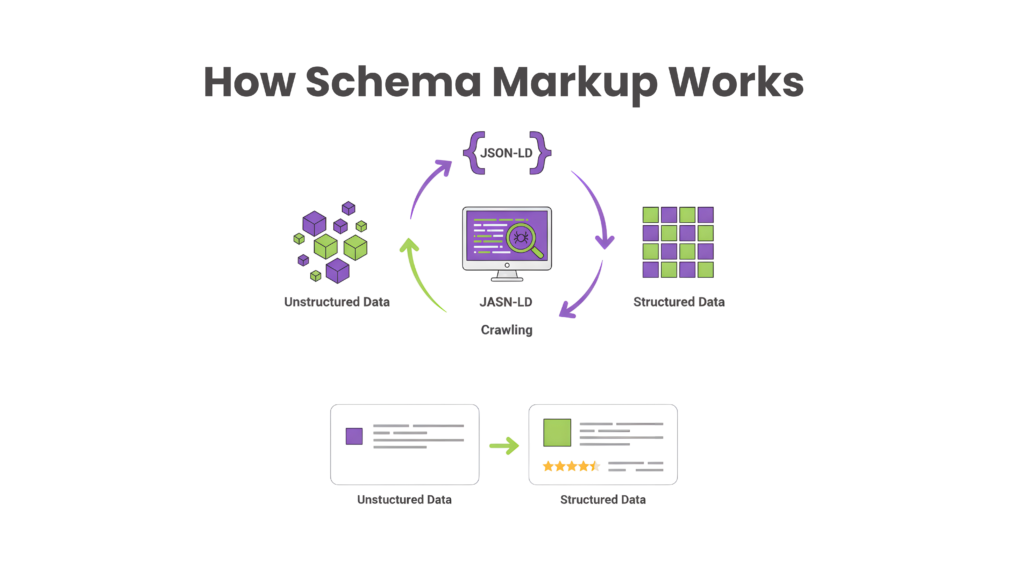
For higher education websites, relevant schema types include:
- CourseInstance for program descriptions
- CollegeOrUniversity for institution information
- Event for campus events, open houses, and application deadlines
- Person for faculty profiles
- FAQPage for admissions questions and answers
Structured data helps search engines categorize your content more effectively, potentially boosting your visibility for relevant searches. Additionally, schema markup can generate rich results in search pages, such as star ratings, course listings, and navigational breadcrumbs. These enhanced listings make your search results more appealing and informative, potentially increasing click-through rates.
- Build Authority with Faculty and Alumni Backlinks
Backlinks remain one of the most powerful signals to search engines about your institution’s credibility. High-quality backlinks from reputable sources signal to search engines that your website is trustworthy and valuable. For colleges and universities, faculty expertise and alumni connections provide unique backlinking opportunities.
Promote faculty as thought leaders in their fields to generate quality backlinks. When professors are quoted in news articles or contribute to industry publications, these mentions create valuable backlinks to your institution’s website.
Additionally, develop content from faculty research, academic papers, and expertise that naturally attracts links from other educational institutions and industry publications. These authoritative backlinks carry significant weight in search algorithms.
Your alumni network offers another valuable backlinking resource. Encourage successful alumni to link back to your programs when sharing their career achievements online. These connections not only improve SEO but also demonstrate real-world outcomes of your educational programs.
Furthermore, seek backlinks from educational directories, government sites, and academic partners to boost your domain authority. These relationships enhance both your SEO performance and your institution’s perceived authority.
- Create Location-Specific Pages for Local SEO
For institutions with multiple campuses or those targeting regional student populations, location-specific optimization is essential. Local SEO helps your institution rank higher in location-based searches, connecting you with prospective students in specific geographic areas.
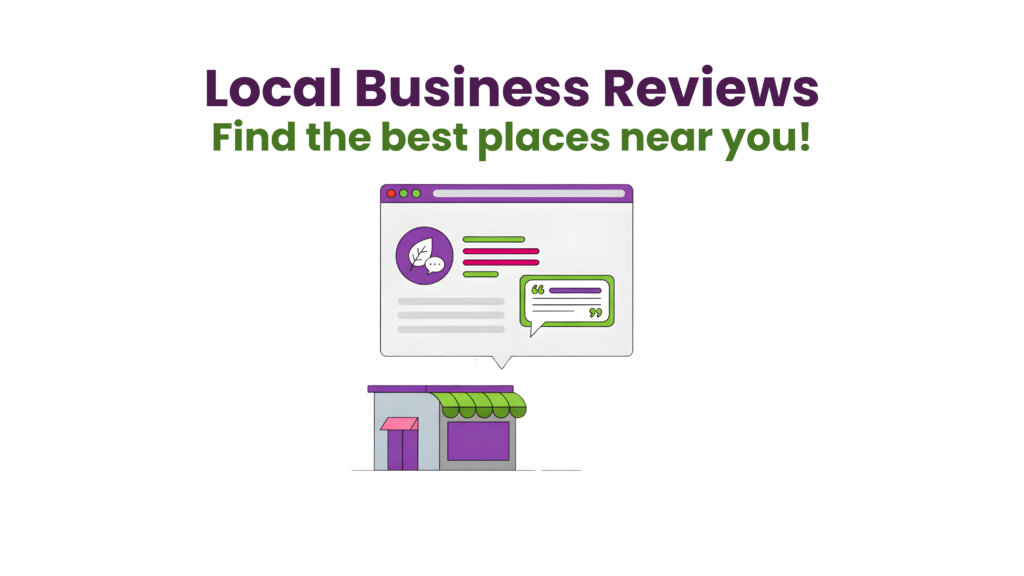
Start by claiming and optimizing your Google Business Profile for each campus location. Ensure your name, address, and phone number (NAP) are consistent across your website and the web. For multiple campuses, create dedicated pages for each location with specific address information, unique details, and program offerings.
Additionally, earn backlinks from local businesses, organizations, and media outlets to enhance your university’s local relevance and authority. These local connections positively impact your rankings for geographic searches like “universities in [city]” or “best nursing programs near me.”
Local SEO is particularly important for community colleges and regional universities that primarily serve nearby communities. By optimizing for location-based keywords, you can effectively target students in your service area without competing nationally with larger institutions.
Looking for an experienced education SEO company to implement these strategies? Visit RankFast’s EdTech marketing agency to learn how we can help boost your institution’s enrollment.
Understanding the technical aspects of SEO is crucial, but equally important is creating a streamlined user experience. The best higher education SEO companies know that a well-designed website structure significantly impacts both search rankings and student engagement. After all, 86% of parents surveyed said a well-designed website positively impacts their impression of a school.
Remember that prospective students often judge an institution by its website experience. As one student commented on Reddit: “It seriously makes me not want to apply when a school doesn’t care enough about something that is a main source of information for most applicants”. Your website’s performance directly reflects on your institution’s perceived quality and attention to detail.
- Use Video SEO to Boost Engagement
Video content has become a cornerstone of effective digital strategy for educational institutions. With video set to account for over 82% of all consumer internet traffic by the end of this year, your institution cannot afford to overlook this powerful engagement tool. A strategic approach to video SEO can dramatically increase your college’s visibility and connection with prospective students.
The statistics speak for themselves: up to 82% of marketers report that video has helped them increase web traffic. For education institutions specifically, this translates to more prospective students discovering your programs, campus culture, and unique offerings. Notably, 35% of education website visits start with organic search—making proper video optimization essential for capturing this significant traffic source.
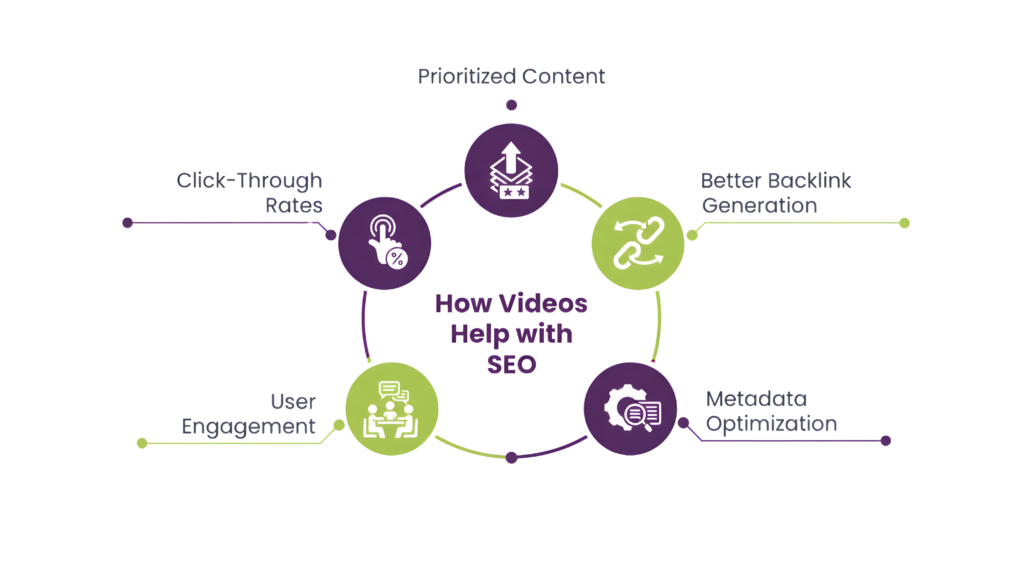
YouTube stands as a particularly valuable platform for higher education marketing. As the second-largest search engine after Google, YouTube offers unprecedented reach. Since Google owns YouTube, videos on this platform frequently appear in Google’s search results pages as well, effectively doubling your visibility opportunities. This connection between the platforms creates a powerful synergy that smart education SEO companies leverage to boost client institutions’ profiles.
Why Video SEO Matters for Higher Education
Beyond mere visibility, properly optimized video content serves multiple strategic purposes:
- Increases time-on-page, a crucial SEO metric that signals content value to search engines
- Improves dwell time, which Google’s algorithms favor when ranking websites
- Makes your content 53 times more likely to generate organic search rankings compared to plain text
- Boosts algorithmic reach on platforms like Instagram and TikTok where many prospective students begin their search process
- Drives emotional connection through authentic, community-focused content
Moreover, rich snippets containing videos can increase click-through rates by up to 30%, making your institution stand out in crowded search results pages. These enhanced listings provide visual appeal that text-based results simply cannot match.
- Track SEO Performance with Analytics Tools
Without proper measurement, even the best video SEO strategy falls short. Tracking performance metrics allows you to refine your approach, double down on what works, and adjust what doesn’t. A top education SEO company will emphasize analytics as a cornerstone of ongoing optimization.
Several key analytics platforms provide valuable insights into your video performance:
- YouTube Analytics offers comprehensive data on engagement trends, viewer demographics, and performance patterns
- Google Search Console shows how your videos appear in search results and which queries trigger their display
- Google Analytics tracks how videos impact user behavior on your site, including conversions and enrollment-related actions[94]
- Platform-specific social analytics provide insights for videos shared across multiple channels
The metrics most critical for education institutions to track include:
- Watch time – Perhaps the most significant metric for YouTube’s algorithm, longer watch times signal valuable content
- Click-through rate (CTR) – Measures how effectively your thumbnails and titles attract viewers
- Audience retention – Shows where viewers drop off, identifying potential content improvements[123]
- Traffic sources – Reveals how students discover your videos, informing distribution strategy
- Conversion metrics – Tracks how videos drive enrollment-related actions like information requests
Pay special attention to the 24-hour period after publishing, as early performance often predicts long-term success. If you notice a high CTR but low watch time, your thumbnail and title might be misleading or the content itself may not meet viewer expectations.
- Simplify Website Navigation and Internal Linking
A well-structured website serves as the backbone of your educational institution’s digital presence. Search engine crawlers rely on clear navigation paths to discover and index your content effectively. For this reason, the best education SEO companies prioritize streamlined website architecture that benefits both search engines and prospective students.
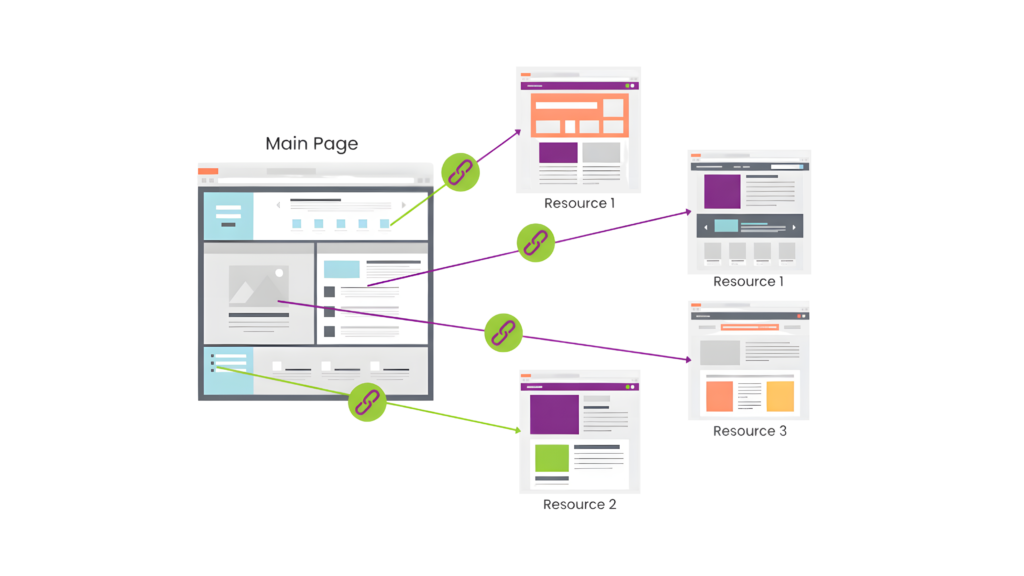
Website navigation isn’t merely about appearance—it’s a critical factor in your search engine performance. When prospective students can easily find information, they stay longer on your site, sending positive engagement signals to search engines. At the same time, a logical site structure helps search engines understand your content hierarchy and relationships between pages.
Key Navigation Principles for Higher Education Websites
First thing to remember is that complex or incomplete navigation can prevent search engines from discovering valuable content on your site. To optimize your institution’s website navigation:
- Create a simple, consistent structure that’s easy for both visitors and search crawlers to follow
- Design a clear visual hierarchy with descriptive menu labels
- Limit top-level navigation items to avoid overwhelming users
- Implement breadcrumb navigation to help users understand site hierarchy
- Ensure all important pages are accessible within three clicks from the homepage
As a result of implementing these principles, higher education SEO agencies report significant improvements in both user engagement metrics and search rankings for client institutions.
Technical Elements That Strengthen Navigation
Leading higher education SEO agencies implement several technical components to enhance navigation and search performance:
- Sitemaps: Create comprehensive XML sitemaps that list all your site’s URLs, making it easier for search engines to discover and index your content. Submit these sitemaps through Google Search Console to expedite the crawling process.
- Clean URL structure: Implement descriptive, concise URLs (under 59 characters) that clearly communicate page content. For academic programs, include relevant keywords in the URL structure.
- Robot.txt files: Develop robot.txt files to control which pages search engines should and shouldn’t index. This prevents search engines from wasting crawl budget on administrative pages or duplicate content.
- Header and footer optimization: Include your most important links in headers and footers so they appear on every page, signaling their importance to search engines. For education websites, this typically includes links to admissions, programs, and application pages.
Through these technical implementations, your website demonstrates organization and user-friendliness—qualities that both prospective students and search engines value.
12. Maintain SEO with Ongoing Audits and Content Updates
SEO is never a “set and forget” process—especially for educational institutions with constantly evolving programs, events, and faculty. The most effective education SEO companies establish regular maintenance schedules to keep your digital presence current and technically sound.

Consider these audit elements as part of your ongoing SEO maintenance:
- Content freshness: Regularly review and update program descriptions, faculty profiles, and admission requirements. Fresh content signals relevance to search engines while providing accurate information to prospective students.
- Technical performance: Schedule quarterly technical audits to identify crawl errors, broken links, and mobile usability issues. Address these problems promptly to maintain search visibility.
- User behavior analysis: Use tools like Google Analytics to identify pages with high bounce rates or low engagement. This data reveals navigation issues that may need redesigning.
- Keyword position monitoring: Track how your programs rank for target search terms using Google Search Console. Declining positions may indicate content that needs refreshing or expanded internal linking.
Incorporating these audits into your marketing calendar ensures consistent attention to your institution’s SEO health. As search algorithms continuously evolve, this proactive approach keeps your website competitive in search results.
Mobile-First Navigation Considerations
With Google now using mobile-first indexing, your navigation must function seamlessly across all devices. Mobile optimization is particularly important for educational websites, as many prospective students conduct initial program research on smartphones.
For mobile navigation:
- Implement a responsive design that adapts to different screen sizes
- Create simplified menu structures for smaller screens
- Use larger, touch-friendly navigation elements
- Ensure consistent content between mobile and desktop versions
Mobile-optimized navigation not only improves search rankings but also accommodates the browsing habits of your target audience—prospective students who rely heavily on mobile devices for research.
The complexity of higher education websites demands specialized navigation expertise. RankFast’s EdTech marketing agency brings deep experience in optimizing education website architecture for both search engines and student experiences. Their comprehensive SEO services include navigation audits, internal linking strategies, and ongoing optimization to ensure your institution maintains visibility in an increasingly competitive digital landscape.
Conclusion
As we’ve explored throughout this article, implementing a comprehensive SEO strategy is essential for your educational institution to stand out in today’s competitive digital landscape. The 12 strategies we’ve discussed—from mapping the student search journey to maintaining ongoing SEO audits—work together to create a powerful online presence that connects with prospective students at every stage of their decision-making process.
Remember that effective education SEO goes beyond simply ranking higher in search results. Actually, it’s about creating meaningful connections with potential students through valuable content that addresses their specific needs and questions. When you optimize your website structure, implement proper schema markup, and create engaging video content, you simultaneously improve both search visibility and user experience.
Ready to transform your educational institution’s online presence? Partner with our specialized education SEO company to implement these proven strategies and increase your enrollment numbers. The right SEO services will help you connect with qualified prospective students at every stage of their search journey, ultimately driving more applications and enrollments.
FAQs
Q1. How can colleges improve their search engine visibility?
Colleges can improve search visibility by optimizing website content for relevant keywords, creating high-quality content that demonstrates expertise and authority, implementing proper technical SEO elements like schema markup, and building authoritative backlinks from reputable sources.
Q2. What role does mobile optimization play in higher education SEO?
Mobile optimization is crucial for higher education SEO as Google uses mobile-first indexing. Ensuring responsive design, fast loading speeds on mobile devices, and consistent content across mobile and desktop versions can significantly improve search rankings and user experience for prospective students.
Q3. How important is video content for college marketing?
Video content is extremely important for college marketing. It can increase web traffic, improve engagement metrics, and make content 53 times more likely to appear in organic search results compared to text alone. Videos also help create emotional connections with prospective students.
Q4. What are some effective ways to optimize internal linking on a university website?
Effective internal linking strategies include creating a clear hierarchical structure, using descriptive anchor text, linking related program pages, and ensuring important pages are accessible within three clicks from the homepage. This helps both users and search engines navigate the site efficiently.
Q5. How often should colleges update their website content for SEO purposes?
Colleges should regularly update their website content to maintain SEO effectiveness. This includes refreshing program descriptions, faculty profiles, and admission requirements. Quarterly technical audits and ongoing content updates signal relevance to search engines and provide accurate information to prospective students.
Leave a Reply